
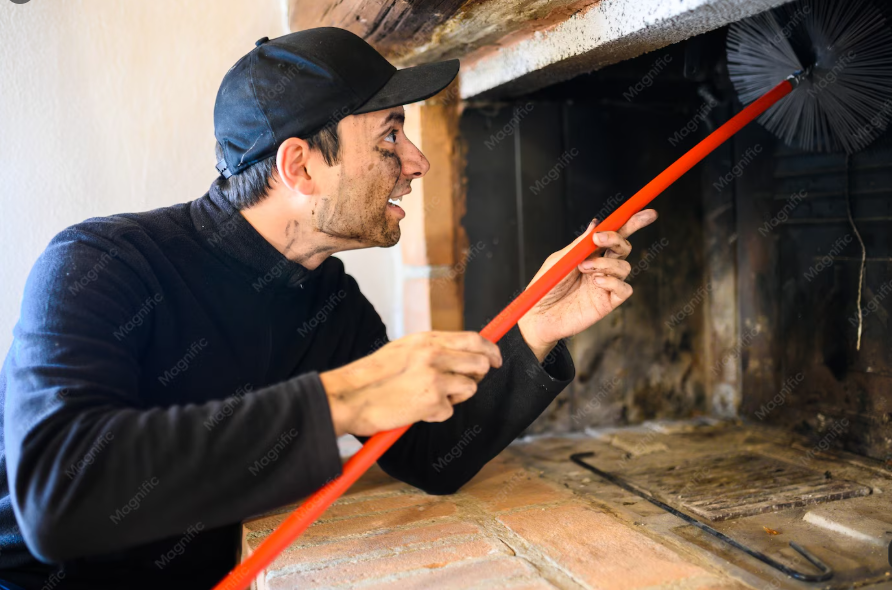
A fireplace can make a home feel warmer, more comfortable, and more inviting. Whether you have a traditional wood-burning fireplace, a gas fireplace, or an electric model, regular maintenance and timely repairs help keep it operating reliably. When problems such as poor heating, unusual noises, damaged components, or ignition failures appear, professional fireplace service and repair can help restore proper performance. Fireplaces involve different systems depending on their design. Wood-burning fireplaces may require chimney inspections and creosote removal, while gas fireplaces need attention to burners, ignition components, and gas connections. Electric fireplaces may require repairs to heating elements, fans, switches, or electrical controls. Understanding these differences helps homeowners make informed maintenance decisions and recognize when professional assistance is necessary. What Does Fireplace Service and Repair Include? Fireplace service and repair covers inspection, cleaning, maintenance, troubleshooting, and the replacement of damaged or worn components. The specific services depend on the fireplace type, its age, and the condition of its parts. Professional fireplace services may include: A professional inspection can also identify developing problems before they become more expensive or create additional safety concerns. Common Fireplace Problems That Require Professional Repair Fireplaces can develop different problems depending on how they operate. Recognizing warning signs early can help you determine when to schedule service. Fireplace Does Not Produce Enough Heat A fireplace that provides less heat than expected may have several possible causes. In a wood-burning fireplace, poorly seasoned firewood, inadequate airflow, or chimney draft problems can affect performance. Gas models may have burner or control issues, while electric fireplaces may experience problems with their heating elements or fans. The correct solution depends on the appliance. A qualified technician can inspect the relevant components and recommend appropriate repairs. Smoke Enters the Room Smoke entering the living area instead of traveling up the chimney can indicate a draft problem, a blockage, or an issue with the fireplace design or operation. Possible causes include: Stop using a wood-burning fireplace if smoke repeatedly enters the room. Have the chimney and ventilation system evaluated before using it again. Gas Fireplace Will Not Ignite Gas fireplaces may fail to ignite because of a faulty igniter, a pilot assembly problem, an electrical control issue, or an interruption in the fuel supply. If your gas fireplace does not start, follow only the basic checks permitted by the manufacturer’s manual. Do not repeatedly attempt ignition if you smell gas or suspect a leak. Gas valves, regulators, burner adjustments, and internal safety components should be handled by qualified professionals. Fireplace Produces Unusual Noises Some clicking sounds are normal as metal components expand or contract during heating and cooling. However, persistent popping, loud rumbling, unusual whistling, or repeated ignition noises may indicate a problem. The cause may involve loose components, burner contamination, airflow restrictions, or a mechanical fault. If unusual noises occur alongside abnormal flames, smoke, or odors, discontinue use and arrange a professional inspection. Fireplace Has Visible Damage Cracked firebricks, deteriorating mortar, damaged fireplace glass, and loose surrounding materials may require attention. Even small areas of visible damage can matter when they affect heat containment, structural integrity, or the manufacturer’s required clearances. Avoid operating the fireplace if the damage could compromise safe use. Ask an appropriate specialist to assess the condition and recommend repairs. Types of Fireplace Service and Repair Each fireplace type requires a different maintenance approach. Identifying your model before arranging service helps ensure that the technician has the appropriate experience. Fireplace type Common problems Typical professional services Wood-burning fireplace Smoke backup, chimney obstruction, damaged masonry Chimney inspection, cleaning, draft assessment, masonry repair Natural gas fireplace Ignition failure, pilot problems, unusual flame Burner inspection, ignition diagnosis, gas-system checks Propane fireplace Pilot failure, control issues, abnormal combustion Fuel-system diagnosis, approved component repair, operational testing Electric fireplace Fan noise, heating failure, faulty controls Electrical diagnosis, fan or heater repair, control replacement Outdoor fireplace Weather damage, corrosion, drainage issues Structural inspection, approved component repair, weatherproofing assessment Wood-Burning Fireplace Maintenance Wood-burning fireplaces require particular attention to the chimney and flue. Burning wood can produce soot and creosote, a combustible deposit that accumulates inside chimney passages. A qualified chimney professional can inspect the system and determine whether cleaning, repairs, or further evaluation is necessary. Use appropriately seasoned firewood and follow the fireplace manufacturer’s instructions. Never ignore smoke backup, damaged masonry, or signs of chimney deterioration. Gas Fireplace Maintenance Gas fireplaces rely on fuel delivery, ignition, burners, controls, and appropriate ventilation or venting arrangements. Professional service may include checking the pilot assembly, inspecting the burner, evaluating safety controls, and examining accessible venting components. If you smell gas, leave the building immediately. Do not light a flame, operate electrical switches, or use a phone inside the affected area. Contact your gas supplier or emergency services from a safe location. Electric Fireplace Maintenance Electric fireplaces do not burn wood or use gas, but they still require proper electrical operation and unobstructed airflow. Dust buildup, fan problems, damaged cords, or faulty heating components can affect performance. Disconnect power before performing any manufacturer-approved exterior cleaning, and never open electrical components unless you are qualified to do so. How Much Does Fireplace Service and Repair Cost? The cost of fireplace service and repair varies according to the type of fireplace, the problem involved, labor requirements, replacement parts, and the property’s location. A routine inspection is different from a major chimney repair or a gas-control replacement, so homeowners should request an estimate based on the actual condition of their fireplace. Factors That Influence Repair Costs 1. Fireplace type: Wood-burning, gas, and electric fireplaces require different tools, skills, and replacement parts. 2. Problem severity: A minor component issue may require less work than damaged masonry, a blocked chimney, or a major system failure. 3. Accessibility: Difficult-to-reach chimneys, rooftop components, or built-in fireplace systems may require additional labor. 4. Replacement materials: Specialized glass, ignition components, firebrick, and manufacturer-specific parts can affect the total price. 5. Inspection requirements: Some problems require additional testing or specialist assessments before repairs can begin. 6. Emergency service: Urgent