
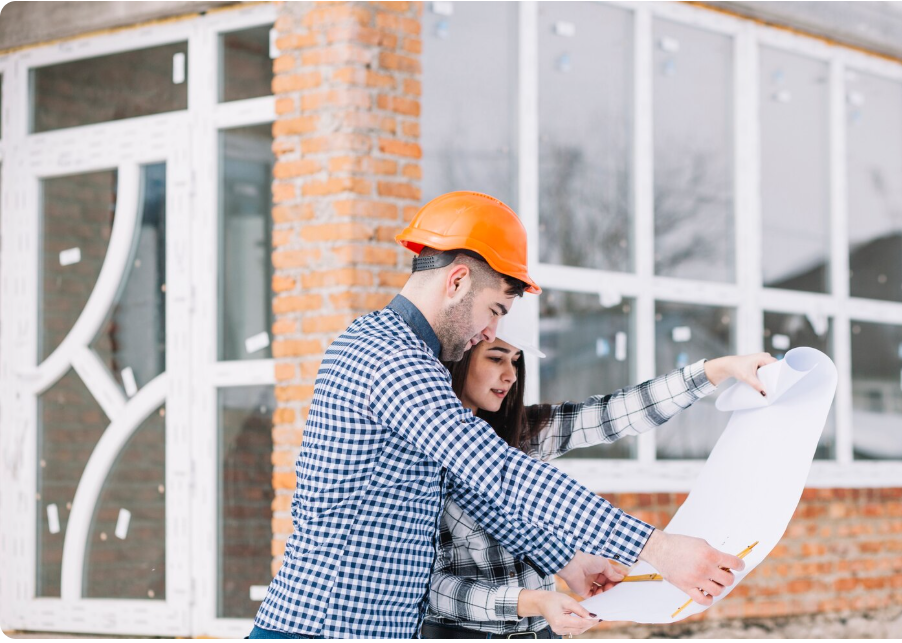
A home’s exterior plays an important role in its appearance, durability, and overall value. From outdated siding and peeling paint to aging windows, damaged roofing, and worn-out patios, exterior problems can affect both the look and functionality of a property. Choosing experienced exterior home remodeling companies can help homeowners transform their houses while addressing important maintenance concerns. Whether you are planning a complete exterior makeover or updating a few features, the right remodeling contractor can help you choose suitable materials, develop a practical budget, and coordinate the work. Professional exterior remodeling services may include siding replacement, exterior painting, roofing, window installation, gutter improvements, deck construction, and entryway upgrades. This article explains how exterior remodeling companies work, which services they offer, how to compare contractors, and what homeowners should consider before starting a project. What Are Exterior Home Remodeling Companies? Exterior home remodeling companies specialize in improving the outside of residential properties. Depending on their experience and services, these businesses may handle small upgrades, major renovations, or complete exterior transformations. Some companies focus on specific services, such as roofing or siding, while others coordinate multiple trades through a comprehensive remodeling plan. Common services include: Before choosing a company, identify the improvements you need and confirm that the contractor has relevant experience. Popular Exterior Home Remodeling Services 1. Exterior Painting and Color Updates Exterior painting is one of the most effective ways to refresh a home’s appearance. A new color scheme can make an older property look more modern, coordinated, and inviting. Professional painters prepare surfaces, repair minor imperfections, apply suitable primers, and use exterior coatings designed for the material and climate. When selecting colors, consider the roof, windows, architectural style, and surrounding landscape. Neutral shades can provide a timeless appearance, while contrasting trim and front-door colors can add personality. 2. Siding Installation and Replacement Siding helps protect exterior walls and contributes significantly to curb appeal. Cracked, warped, loose, or deteriorating siding can affect the appearance of a home and may allow moisture to reach underlying materials. Remodeling companies may offer vinyl, fiber cement, wood, engineered wood, metal, and other siding options. The best choice depends on your budget, preferred style, maintenance expectations, and local weather conditions. Proper installation, flashing, and moisture management are essential for long-term performance. 3. Roofing and Gutter Improvements Roofing and gutter systems help protect a house from rainwater and weather exposure. Missing shingles, damaged flashing, leaking roof sections, and failing gutters should be assessed before they cause further damage. Some exterior remodeling companies offer roofing and gutter services together. Others coordinate with specialized roofing contractors. Ask whether the proposed work includes an assessment of related components, such as fascia, soffits, ventilation, and downspouts. Fixing connected issues at the same time may help reduce repeat maintenance. 4. Window and Exterior Door Replacement Old windows and exterior doors can affect comfort, security, appearance, and energy performance. Replacing outdated units may improve the overall look of the property and reduce drafts when the products are appropriately selected and installed. A qualified contractor can assess the existing frames, recommend suitable materials, and ensure that openings are properly sealed. In some cases, repairing hardware or replacing seals may be sufficient. Full replacement may be appropriate when the units are extensively damaged or no longer meet your requirements. 5. Deck, Porch, and Patio Remodeling Outdoor living areas can make a home more practical and enjoyable. Exterior remodeling contractors may build decks, repair porches, replace railings, or redesign patios to provide more usable space. Before beginning, think about how you will use the area. An outdoor dining space may require room for a table and chairs, while a relaxation area may benefit from shade, comfortable seating, and appropriate lighting. Structural work should be planned carefully, with permits and inspections where required. Benefits of Hiring Professional Exterior Remodeling Contractors Improves Curb Appeal A coordinated exterior renovation can make a property look cleaner, more modern, and more attractive. New paint, updated siding, contemporary windows, and an improved entrance can work together to create a consistent design. Helps Protect Your Property Exterior materials face sunlight, wind, rain, and temperature changes. Damaged roofing, deteriorated siding, and failed sealants may expose vulnerable areas to moisture. Professional remodeling can address visible defects and help improve weather protection. Hidden damage may require additional inspection or specialist repairs. Supports Energy Efficiency Some exterior improvements can help reduce unwanted air movement and improve indoor comfort. Properly installed windows, exterior doors, weatherstripping, and suitable insulation upgrades may support better energy performance. Actual results depend on the home’s existing condition, climate, materials, and installation quality. Reduces Long-Term Maintenance Problems Replacing failing materials and correcting drainage issues can help reduce recurring repair needs. For example, properly installed gutters may help direct rainwater away from exterior walls and foundations. Addressing the cause of a problem is generally more useful than repeatedly covering up visible damage. May Improve Resale Appeal A well-maintained exterior can create a positive first impression for prospective buyers. However, the financial return varies by location, project type, workmanship, and market conditions. Homeowners should prioritize improvements that suit their needs and maintain the property effectively. How to Choose the Best Exterior Home Remodeling Companies Finding the right contractor requires research and careful comparison. The goal is to select a company that understands your project, communicates clearly, and delivers suitable workmanship. Review Experience and Previous Projects Look for contractors who have completed projects similar to yours. If you need siding replacement, ask for examples of siding work rather than relying only on general renovation photographs. Where possible, review references from previous customers and ask about project quality, communication, scheduling, and problem resolution. Verify Credentials and Insurance Licensing requirements vary by location and type of work. Check the applicable requirements for your project and verify that the company meets them. Ask about appropriate liability insurance and workers’ compensation coverage where applicable. Specialized work involving roofing, electrical systems, or structural changes may require qualified professionals. Request Detailed Written Estimates A written estimate should clearly describe: A detailed

Commercial Window Repair: Expert Solutions for Business Buildings, Offices, and Retail Properties
Windows are an important part of every commercial building. They provide natural light, support ventilation, improve the appearance of the property, and help maintain comfortable indoor conditions. However, commercial windows experience constant exposure to sunlight, wind, rain, temperature changes, and everyday wear. Over time, damaged glass, faulty locks, broken seals, and malfunctioning window frames can create problems for business owners and property managers. Professional commercial window repair helps restore window performance, improve building security, and prevent minor issues from becoming expensive maintenance projects. Whether you manage an office, retail store, restaurant, warehouse, apartment complex, or industrial facility, maintaining your windows is an important part of protecting your property. This guide covers common commercial window problems, available repair services, the benefits of hiring experienced professionals, repair cost factors, and practical maintenance tips. What Is Commercial Window Repair? Commercial window repair involves inspecting, fixing, and restoring windows installed in business properties and other commercial buildings. These windows may include large glass panels, storefront windows, office windows, aluminum-framed systems, sliding windows, and specialized commercial glazing. Depending on the damage, a repair professional may replace cracked glass, repair damaged frames, restore weather seals, adjust window hardware, fix locks, or address water infiltration. The appropriate solution depends on the window type, the severity of the damage, and the building’s safety requirements. Commercial window systems can be larger and more complex than residential windows. For this reason, repairs may require specialized tools, suitable replacement materials, and trained technicians who understand commercial glazing systems. Common Signs Your Commercial Windows Need Repair Recognizing window problems early can help reduce repair expenses and protect employees, customers, tenants, and visitors. 1. Cracked or Broken Window Glass Cracked glass can result from accidental impacts, severe weather, temperature changes, or structural movement. Even a small crack can spread and compromise the window’s integrity. Broken or unstable glass should be assessed promptly by a qualified professional. The affected area may need to be secured before the glass is replaced with an appropriate product. 2. Drafts Around Window Frames If outdoor air enters through closed windows, the weatherstripping, seals, frame connections, or installation may be damaged. Drafts can make indoor spaces uncomfortable and increase heating or cooling demands. A technician can inspect the affected areas and determine whether replacing seals, adjusting the window, or repairing the frame will resolve the issue. 3. Water Leaks and Moisture Damage Water entering around commercial windows can stain walls, damage interior finishes, and contribute to deterioration around the opening. Common causes include deteriorated sealant, damaged flashing, blocked drainage channels, and improperly fitted frames. Professional repairs should identify the source of the water rather than simply covering visible signs of leakage. 4. Windows That Are Difficult to Open or Close Windows may become difficult to operate because of worn hardware, damaged tracks, misalignment, or frame movement. In commercial buildings, malfunctioning windows can also create ventilation and emergency-access concerns where applicable. Repairing the hardware or adjusting the window can often restore smoother operation. 5. Broken Locks and Handles Faulty locks and handles can reduce security and make windows difficult to operate safely. Worn components may need adjustment or replacement to restore proper function. For commercial properties, repairs should be compatible with the existing window system and any applicable building security requirements. 6. Foggy or Condensation-Filled Glass Fogging between the panes of an insulated glass unit often indicates that its sealed cavity has failed. This can reduce visibility and may affect thermal performance. In many cases, the insulated glass unit must be replaced. The entire window frame may not need replacement if it remains structurally sound. Benefits of Professional Commercial Window Repair Professional repairs can help business owners maintain their buildings, reduce maintenance concerns, and preserve a comfortable indoor environment. Improves Building Security Windows are part of a property’s security system. Damaged glass, faulty locks, and weakened frames can create vulnerabilities. Repairing these issues helps restore the intended level of security. Businesses with large storefront windows should address damage quickly to protect merchandise and limit unauthorized access. Supports Energy Efficiency Gaps, failed seals, and poorly fitted windows can allow unwanted air movement. Repairing these problems may help reduce drafts and improve indoor temperature control. The energy savings will depend on the building, the condition of the windows, and the heating or cooling system. Prevents Further Property Damage Water entering around windows can affect drywall, insulation, flooring, and nearby structural materials. Early repairs can help limit the spread of moisture-related damage and reduce the need for additional restoration work. Maintains a Professional Appearance Clean, properly functioning windows contribute to a business’s overall appearance. Cracked glass, deteriorated frames, and visible water stains can create a poor impression for customers and visitors. Timely maintenance helps keep storefronts, offices, and commercial facilities looking professional. Extends Window Lifespan Replacing individual components or repairing localized damage can extend the useful life of a window system. If the frame remains in good condition, a targeted repair may be more practical than replacing the entire assembly. Types of Commercial Window Repair Services Commercial buildings use different window designs and materials. The repair method should match the system and the specific problem. Repair service Common problem Typical solution Commercial glass replacement Cracked or broken glass Replace damaged glass with a suitable specification Frame repair Bent, loose, or deteriorated frames Repair or replace affected frame components Seal and caulking repair Air leaks or water infiltration Replace failed seals and compatible sealant Lock and hardware repair Faulty locks, handles, or hinges Adjust or replace damaged hardware Sliding window repair Sticking panels or damaged tracks Clean, adjust, or repair tracks and rollers Insulated glass replacement Fogging between panes Replace the failed insulated glass unit Storefront window repair Damaged large glass panels or framing Repair or replace affected glazing components Commercial Glass Replacement Glass replacement is necessary when a pane is cracked, shattered, or otherwise unsafe. The replacement glass should be suitable for the opening and comply with applicable safety-glazing requirements. Commercial properties may use tempered glass, laminated glass, insulated glass units, or

Commercial Gutter Repair: A Complete Guide to Protecting Your Business Property
Commercial buildings require reliable drainage systems to protect their roofs, walls, foundations, and surrounding landscapes from water damage. Gutters play an essential role in directing rainwater away from a property, but heavy rainfall, debris buildup, aging materials, and poor installation can cause them to deteriorate over time. When these problems occur, professional commercial gutter repair can help restore proper drainage and prevent expensive property damage. Whether you manage an office building, retail store, warehouse, apartment complex, or industrial facility, maintaining your gutter system is an important part of property management. Damaged or clogged gutters can lead to roof leaks, exterior staining, foundation problems, and unsafe walkways. Addressing these issues early can help reduce repair costs and extend the lifespan of your drainage system. This guide explains common commercial gutter problems, the benefits of professional repairs, available repair solutions, maintenance tips, and factors that influence service costs. What Is Commercial Gutter Repair? Commercial gutter repair involves inspecting, fixing, and maintaining gutter systems installed on business properties and other large buildings. Commercial gutters often handle greater volumes of rainwater than residential systems, making their condition especially important during storms. Professional repair services may include fixing leaks, sealing joints, replacing damaged sections, correcting gutter slopes, securing loose hangers, and repairing downspouts. Contractors may also inspect drainage connections and identify issues that could cause water to collect around the building. Unlike smaller residential systems, commercial gutter systems may extend across large roofs and require specialized equipment to access safely. Hiring experienced professionals helps ensure that repairs address the underlying problem rather than providing only a temporary solution. Common Signs Your Commercial Gutters Need Repair Recognizing gutter problems early can help business owners avoid unnecessary expenses and operational disruptions. 1. Water Leaking From Gutter Joints Leaks often develop where gutter sections connect or where fasteners and seams have deteriorated. Water escaping from these areas can stain exterior walls and damage nearby materials. A contractor can inspect the joints, identify the source of the leak, and apply suitable sealants or replace damaged components when necessary. 2. Sagging or Detached Gutters Commercial gutters can sag when their hangers become loose, fasteners fail, or debris adds excessive weight. Severe sagging may prevent water from reaching the downspouts. Repairing the support system and replacing damaged hardware can help restore proper alignment. If the gutter material has bent or deteriorated significantly, replacing the affected section may be necessary. 3. Overflowing Gutters During Rainfall Overflowing water may indicate clogged gutters, blocked downspouts, insufficient drainage capacity, or incorrect installation. In commercial buildings, overflow can affect entrances, loading areas, sidewalks, and landscaped spaces. A professional inspection can help determine whether cleaning, repairs, or drainage improvements are needed. 4. Rust, Cracks, or Corrosion Metal gutters can corrode over time, particularly when standing water and debris remain in the system. Cracks and holes may also develop because of weather exposure, physical damage, or aging materials. Minor damage may be repairable, but widespread corrosion can make replacement more practical. 5. Water Pooling Near the Foundation When gutters and downspouts fail to move water away from a building, rainwater may collect near the foundation. Persistent moisture can contribute to erosion, basement leaks, and other structural concerns. Repairing gutters and ensuring that downspouts discharge water appropriately can help reduce these risks. Benefits of Professional Commercial Gutter Repair Timely gutter repairs provide several advantages for commercial property owners and facility managers. Protects the Building Structure Gutters direct rainwater away from roofs, walls, foundations, and entrances. Repairing leaks and drainage problems helps limit unnecessary moisture exposure and reduces the risk of related deterioration. Helps Prevent Costly Repairs Ignoring a small leak or loose gutter section may allow the problem to worsen. Water damage can affect roofing materials, insulation, ceilings, exterior finishes, and interior spaces. Early repairs can help prevent these issues from developing into larger maintenance projects. Improves Workplace Safety Overflowing gutters can create slippery walkways, while loose sections may present hazards if they fall. Properly maintained drainage systems help reduce these risks for employees, customers, tenants, and visitors. Supports Business Operations A leaking gutter near a storefront, entrance, or loading dock can interfere with daily activities. Resolving drainage issues promptly helps maintain a cleaner and safer environment for normal business operations. Extends Gutter System Lifespan Regular inspections and appropriate repairs can help commercial gutters remain functional for longer. Replacing a small damaged section may also delay the need for a complete system replacement. Types of Commercial Gutter Repair Services Commercial gutter systems vary in size, material, design, and drainage capacity. Repair solutions should match the specific problem and building requirements. Repair service Common problem addressed Typical solution Leak repair Water escaping through seams or holes Sealing joints or repairing damaged sections Gutter realignment Incorrect slope or standing water Adjusting gutter position and supports Hanger replacement Loose or sagging gutters Installing suitable brackets and fasteners Downspout repair Leaks, loose connections, or blockages Repairing connections or replacing damaged sections Corrosion repair Rust and deteriorating metal Treating limited damage or replacing affected areas Section replacement Severe cracks, bending, or deterioration Installing compatible new gutter sections Drainage improvements Frequent overflow or poor water discharge Correcting restrictions and improving drainage arrangements Seam and Joint Repair Seams are common locations for leaks, especially in older gutter systems. Contractors may clean the affected area, remove failing sealant, and apply a compatible commercial-grade product. If the joint is badly damaged, replacing the connection may provide a more durable solution. Downspout Repair Downspouts carry water from gutters to designated discharge areas. Loose fittings, damaged elbows, and blockages can interrupt this process. Repairs may involve securing connections, clearing obstructions, or replacing damaged components. Gutter Slope Correction Gutters need an appropriate slope so water can move toward the outlets. If sections are incorrectly positioned, water may collect in low spots and increase the risk of corrosion, overflow, and additional strain on the supports. How to Choose a Commercial Gutter Repair Contractor Selecting the right contractor is important for protecting your commercial property and ensuring that repairs are completed safely.
Emergency Furnace Service: Fast Heating Repairs, Costs, and Expert Tips for Homeowners
Emergency furnace service provides urgent inspection and repair when a heating system stops working, produces insufficient heat, or develops a potentially dangerous fault. Depending on the provider, emergency appointments may be available outside normal business hours, including evenings, weekends, and holidays. A qualified HVAC technician can inspect the furnace, identify the cause of the problem, and recommend appropriate repairs. Common service calls involve ignition failures, malfunctioning thermostats, blower motor issues, airflow restrictions, and electrical faults. When Do You Need Emergency Furnace Repair? You may need urgent professional assistance if: Important safety warning: If you smell gas or your carbon monoxide alarm sounds, leave the building immediately. Do not operate electrical switches, attempt to restart the furnace, or investigate the source yourself. Contact emergency services or your gas utility from a safe location. Common Furnace Problems That Require Emergency Service 1. Furnace Will Not Turn On A furnace that will not start may have a thermostat issue, interrupted power supply, ignition failure, or an internal safety lockout. A technician can test the relevant controls and electrical components to identify the fault. Homeowners can check thermostat settings and batteries if there are no signs of danger. 2. Furnace Blows Cold Air When a furnace runs but produces cold air, possible causes include a dirty air filter, ignition problems, a faulty flame sensor, or a malfunctioning heating component. Check the filter and thermostat settings if it is safe to do so. If the problem continues, contact a qualified HVAC professional. 3. Furnace Keeps Turning On and Off Frequent starting and stopping, known as short cycling, can result from restricted airflow, thermostat problems, overheating, or faulty safety controls. Repeated cycling can affect comfort and system performance. A technician can determine the cause and recommend a suitable repair. 4. Furnace Makes Loud or Unusual Noises Grinding, persistent rattling, loud banging, or squealing may indicate a problem with the blower motor, ignition system, or another component. Turn off the furnace if it is safe to do so and arrange a professional inspection. Smoke, burning odors, or suspected gas leaks require more urgent safety action. 5. Furnace Has an Ignition or Gas Supply Problem Gas furnace ignition problems can involve a failed igniter, pilot assembly, gas valve, or control system. These components require professional diagnosis. Do not attempt to repair gas connections, adjust gas pressure, or repeatedly relight a malfunctioning furnace. Emergency Furnace Service Cost: What Should You Expect? Emergency furnace repair costs depend on the problem, replacement parts, labor rates, location, and time of the service call. The following figures are illustrative US-dollar estimates for general budgeting, not guaranteed prices. Service or repair Estimated cost Diagnostic or service visit $75–$200 Thermostat repair or replacement $100–$350 Igniter or flame sensor repair $150–$400 Blower motor repair or replacement $300–$1,100 Control board replacement $300–$900 Major heat exchanger repair or replacement $1,000–$3,500+ After-hours emergency surcharge Varies by provider Actual prices can differ significantly, and some heat exchanger failures make full furnace replacement more practical than repair. Factors That Affect Emergency Repair Prices Before authorizing non-emergency work, request an itemized estimate that explains the diagnostic fee, labor, replacement parts, and any emergency surcharge. How to Choose a Reliable Emergency Furnace Service Company When your heating system fails unexpectedly, it is tempting to hire the first available technician. However, checking a few important details can help you make a better decision. Verify Qualifications and Insurance Choose a service provider with the qualifications, licenses, and insurance required in your location. Gas and electrical repairs should be performed by professionals authorized to carry out that work. Confirm Emergency Availability Ask whether the company offers after-hours service and how quickly a technician can reasonably attend. Confirm any additional charges before booking. Ask About Experience Look for experience with your furnace brand, model, fuel type, and heating system configuration. Request Transparent Pricing A reputable company should explain its diagnostic fee, emergency charges, and likely repair costs before proceeding with non-emergency work. Check Reviews and Warranty Terms Review recent customer feedback and ask whether replacement parts and labor are covered by a written warranty. What Can You Safely Check Before Calling a Technician? Not every furnace failure requires an emergency visit. If there are no warning signs of a gas leak, carbon monoxide exposure, smoke, or electrical danger, you may be able to rule out a few simple issues. Do not remove internal panels, handle gas components, bypass safety switches, or attempt electrical repairs. If you suspect a dangerous fault, stop troubleshooting and seek professional help. How to Prevent Future Furnace Emergencies Regular maintenance can help identify developing problems before they cause an unexpected breakdown. Schedule Routine Inspections Arrange professional maintenance according to the manufacturer’s recommendations. A technician can inspect ignition components, electrical connections, blower operation, and appropriate ventilation systems. Replace Air Filters Regularly Dirty filters restrict airflow and may contribute to overheating or unexpected shutdowns. Check the filter monthly during periods of heavy use and replace it as directed by the manufacturer. Keep Vents Clear Avoid blocking supply and return vents. Adequate airflow supports proper system operation. Pay Attention to Warning Signs Address unusual noises, inconsistent heating, repeated shutdowns, and unexplained increases in energy use before they develop into larger problems. Maintain Carbon Monoxide Alarms Install and maintain carbon monoxide alarms according to local requirements and manufacturer instructions. Test them regularly and replace units as directed. Key Takeaways About Emergency Furnace Service Reliable emergency furnace service can restore heating, identify potentially dangerous faults, and help protect your home during cold weather. Choosing a qualified technician and responding promptly to warning signs can make furnace problems easier to manage. Frequently Asked Questions 1. What qualifies as an emergency furnace repair? A complete heating failure during dangerously cold conditions, suspected gas leaks, carbon monoxide alarms, smoke, or serious electrical problems can require urgent attention. Gas and carbon monoxide hazards require immediate evacuation and emergency assistance. 2. How much does emergency furnace service cost? Costs depend on the repair, parts, location, and service hours. A diagnostic visit may

Room Addition Contractor: How to Choose the Right Builder for Your Home Expansion Project
A room addition contractor helps homeowners expand their living space by building new bedrooms, family rooms, home offices, guest suites, and other functional areas. Whether your family needs more room to grow or you want to create a more comfortable home, hiring the right contractor is an important step toward a successful renovation. A well-planned room addition can improve your home’s functionality, make better use of your property, and potentially increase resale appeal. However, expanding an existing house requires careful planning, structural evaluation, budgeting, and coordination between different construction professionals. This guide explains the benefits of hiring a room addition contractor, common types of additions, estimated construction costs, planning considerations, and tips for selecting a reliable builder. What Does a Room Addition Contractor Do? A room addition contractor manages the construction of new living space attached to an existing home. Depending on the agreement, the contractor may coordinate design professionals, engineers, subcontractors, material suppliers, inspections, and finishing work. Typical responsibilities include: Some contractors provide complete design-build services, while others begin construction after an architect has prepared the plans. Understanding which services are included helps homeowners compare estimates accurately. Types of Room Additions for Your Home The best room addition depends on your household’s needs, available land, budget, and existing house layout. 1. Bedroom Addition A new bedroom can provide privacy for a growing family, accommodate visiting relatives, or create a dedicated guest room. When planning a bedroom addition, consider closet space, natural lighting, ventilation, electrical outlets, and convenient access to a bathroom. 2. Master Suite Addition A master suite typically combines a spacious bedroom with a private bathroom and sometimes a walk-in closet or sitting area. Because this type of project may require plumbing, additional electrical work, and upgraded finishes, it often costs more than a basic bedroom addition. 3. Family Room Addition A family room creates extra space for relaxing, entertaining, watching television, and spending time together. An experienced contractor can help position the new room to improve movement between existing living areas and outdoor spaces. 4. Home Office Addition A dedicated home office can provide a quieter environment for remote work, studying, or running a small business. Useful features include sound insulation, reliable internet access, appropriate lighting, sufficient outlets, and built-in storage. 5. Sunroom Addition A sunroom introduces natural light and creates a comfortable space for reading, relaxing, or enjoying views of the garden. The contractor should consider insulation, glazing, ventilation, moisture control, and the local climate when designing the space. 6. Second-Story Room Addition Building upward can expand a home when there is limited yard space. However, adding rooms above an existing floor requires careful structural evaluation. A qualified structural engineer should assess whether the existing foundation, walls, columns, and framing can support the proposed construction. How Much Does a Room Addition Contractor Cost? The cost of hiring a room addition contractor depends on room size, construction materials, labor rates, location, foundation requirements, and finishing choices. For a general US-market reference, the following table provides illustrative 2026 planning ranges. Actual contractor quotations can vary substantially by region and project scope. <Cite refs={[“turn958023search1″,”turn958023search10”]}/> Room addition type Estimated construction cost Small bump-out $10,000–$30,000+ Basic bedroom addition $20,000–$50,000+ Standard 200–400 sq. ft. room $20,000–$80,000+ Master suite addition $50,000–$120,000+ Room above a garage $25,000–$80,000+ Second-story addition $100,000–$300,000+ These are broad budgeting examples rather than fixed prices. A small bump-out and a fully finished room requiring a new foundation are very different projects, even if their dimensions appear similar. Factors That Affect Room Addition Costs Several elements influence the total project budget. Room size: Larger additions require more materials, labor, and construction time. Foundation work: Excavation, concrete, drainage, and foundation reinforcement can add significant expenses. Materials and finishes: Premium flooring, custom windows, upgraded insulation, and high-end cabinetry increase costs. Plumbing and electrical work: Bathrooms and kitchens generally require more utility work than simple bedrooms or offices. Roof integration: Connecting the new roof to the existing structure requires careful waterproofing and construction. Permits and design: Architectural drawings, engineering services, permit fees, and inspections must be included in the budget where applicable. Site conditions: Difficult access, sloping land, drainage problems, and unexpected structural issues can increase expenses. How to Prepare a Realistic Budget Before construction begins, ask your contractor for an itemized estimate that includes materials, labor, site preparation, utilities, permits, finishing work, and cleanup. It is also sensible to reserve approximately 10–20% of the planned construction budget for unexpected expenses. The appropriate contingency depends on the condition of the existing property and the complexity of the addition. How to Choose the Best Room Addition Contractor Selecting the right contractor requires more than comparing prices. You should evaluate experience, qualifications, communication, project management, and the quality of previous work. Check Licensing and Insurance Confirm that the contractor holds the licenses and insurance required in your location. Ask about liability coverage and worker protection where applicable. These checks can help reduce potential risks during construction. Review Previous Projects Request photographs, references, or examples of completed room additions. Look for consistent workmanship, clean finishing, well-integrated rooflines, and designs that complement the original house. If possible, speak with previous customers about their experiences. Compare Multiple Written Estimates Obtain detailed estimates from several qualified contractors. Each proposal should describe the work included, material specifications, estimated schedule, payment terms, and exclusions. A significantly lower quote may omit important work or use different materials, so compare the scope carefully. Ask About Permits and Inspections Many permanent room additions require building permits and inspections. Requirements depend on the location, building type, and project scope. Ask who will obtain the necessary approvals and coordinate inspections before construction starts. Unpermitted work can create safety, insurance, and resale complications. <Cite refs={[“turn958023search6″,”turn958023search5”]}/> Understand the Contract Your written agreement should explain: A clear contract reduces misunderstandings and gives both parties a shared understanding of the project. Steps Involved in a Room Addition Project A successful addition generally follows a structured construction process. Step 1: Define Your Requirements Decide how the new room will be used,

Fireplace Repair Technician: Professional Fireplace Repairs, Maintenance Services, Costs, and Expert Homeowner Tips
fireplace repair technician services help homeowners keep their fireplaces operating efficiently, address unexpected breakdowns, and maintain a comfortable indoor environment. Whether you own a gas fireplace, an electric fireplace, or a traditional wood-burning unit, hiring an experienced professional can help identify problems and determine the safest, most practical repair solution. A fireplace adds warmth, comfort, and visual appeal to a home. However, ignition failures, damaged components, ventilation problems, and a lack of maintenance can affect its performance. Understanding common fireplace issues and knowing when to seek professional help can prevent unnecessary expenses and support long-term reliability. This comprehensive guide explains fireplace repair services, common problems, estimated repair costs, maintenance recommendations, and how to choose the right technician for your home. What Is a Fireplace Repair Technician? A fireplace repair technician is a professional who inspects, maintains, and repairs fireplace systems. Depending on their qualifications and experience, technicians may work with gas fireplaces, electric fireplaces, wood-burning units, fireplace inserts, and associated ventilation systems. Their primary goal is to identify the cause of a malfunction and restore the appliance to proper working condition. Common services include: Some repairs require a specialist, such as a qualified gas technician, licensed electrician, chimney professional, or masonry contractor. Choosing the right professional depends on the fireplace type and the nature of the problem. Types of Fireplace Repair Services Different fireplace systems require different maintenance procedures and repair techniques. Understanding the available services helps homeowners find a professional with the appropriate expertise. 1. Gas Fireplace Repair Gas fireplaces use natural gas or propane to produce heat. Common problems include pilot lights that will not remain lit, ignition failures, faulty gas valves, and inconsistent flame performance. A qualified gas fireplace technician can inspect the ignition system, burner assembly, controls, and venting as appropriate. Gas-related problems should never be ignored. If you smell gas, leave the building immediately without operating electrical switches or attempting repairs. Contact the gas emergency service from a safe location. 2. Electric Fireplace Repair Electric fireplaces use electrical heating elements and simulated flame effects. Common issues include malfunctioning remotes, defective switches, heater failures, damaged wiring, and fan problems. A qualified technician can test the affected components and determine whether repair or replacement is appropriate. Electrical work should be performed by a suitably qualified professional. 3. Wood-Burning Fireplace Repair Wood-burning fireplaces require proper chimney ventilation, a functional damper, and a sound firebox. Problems may include damaged masonry, deteriorating mortar, smoke entering the room, or chimney obstructions. A qualified chimney professional can inspect the system and recommend suitable cleaning or repairs. 4. Fireplace Insert Repair Fireplace inserts are installed within existing fireplace openings and may use gas, electricity, or wood. Their repair requirements depend on the fuel source, model, and installation. A technician familiar with your particular insert can inspect its components and recommend appropriate service procedures. Common Fireplace Problems That Require Professional Attention Recognizing the symptoms of fireplace problems can help you explain the issue when scheduling a service appointment. Fireplace Will Not Turn On A fireplace that does not start may have a faulty ignition system, depleted remote batteries, a defective wall switch, or a problem with the electrical or gas supply. Homeowners can check remote batteries and consult the manufacturer’s operating instructions. If the fireplace still does not operate, a professional inspection can help identify the cause. Pilot Light Keeps Going Out A gas fireplace pilot light that repeatedly goes out may indicate a dirty pilot assembly, a faulty thermocouple or thermopile, a draft, or a gas-control problem. A technician can test the relevant components and determine whether cleaning, adjustment, or replacement is necessary. Fireplace Produces Less Heat Insufficient heat may result from a malfunctioning blower, restricted airflow, incorrect thermostat settings, or a faulty heating component. Professional diagnosis can identify the problem and help restore the appliance’s intended performance. Smoke Enters the Room Smoke entering a living space from a wood-burning fireplace may indicate a blocked chimney, poor draft, an obstructed flue, or another ventilation issue. Stop using the fireplace until it has been inspected by a qualified chimney professional. Fireplace Makes Unusual Noises Occasional clicking during ignition or expansion sounds as the fireplace heats up may be normal. Persistent rattling, loud popping, or unusual mechanical noises can indicate a problem with the blower, burner, or another component. Turn the appliance off if safe to do so and arrange an inspection. Fireplace Repair Technician Cost: What Homeowners Should Know The cost of hiring a fireplace repair technician depends on the appliance type, the complexity of the problem, replacement parts, labor rates, and location. The following table provides illustrative estimates in US dollars for general budgeting. Actual prices vary by market and appliance. Fireplace repair service Estimated cost Diagnostic or service visit $75–$200 Minor fireplace repair $100–$300 Gas pilot or ignition repair $100–$400 Electric fireplace component repair $100–$350 Fireplace blower repair $150–$500 Gas valve replacement $200–$600 Chimney or venting repairs $200–$800+ These estimates are not guaranteed quotations. Extensive structural repairs, major venting work, and complicated electrical or gas-system problems can cost considerably more. Factors That Affect Fireplace Repair Costs Several factors can influence the final service bill. Before approving work, request a written estimate that explains diagnostic fees, labor charges, replacement parts, and warranty coverage. How to Choose the Best Fireplace Repair Technician Selecting a qualified professional is essential for obtaining dependable repairs and avoiding unnecessary expenses. Check Qualifications and Experience Look for appropriate training, licensing, or certifications required in your area. Gas fireplaces require professionals qualified to work on gas appliances, while electrical problems may require a licensed electrician. Choose a Fireplace Specialist Confirm that the technician has experience with your fireplace’s fuel type, brand, model, and installation. Specialized knowledge can help improve diagnostic accuracy and ensure compatible replacement parts are used. Compare Service Estimates Request estimates from qualified providers when practical. Compare the proposed repairs, labor charges, parts, and warranty terms instead of choosing solely on price. Read Customer Reviews Recent reviews can provide useful information about a company’s communication, reliability, punctuality,
Fireplace Service and Repair: Expert Maintenance, Common Problems, and Essential Safety Tips for Homeowners
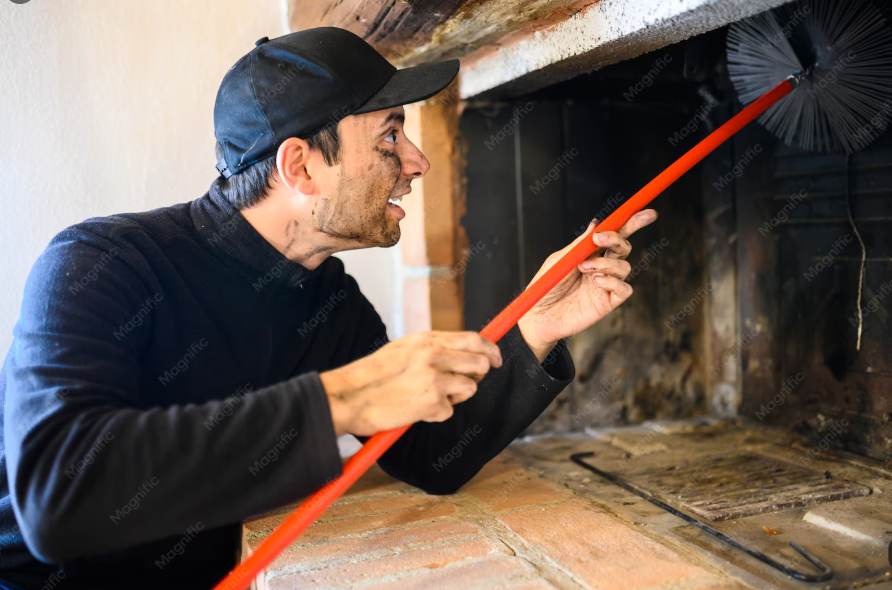
A fireplace can make a home feel warmer, more comfortable, and more inviting. Whether you have a traditional wood-burning fireplace, a gas fireplace, or an electric model, regular maintenance and timely repairs help keep it operating reliably. When problems such as poor heating, unusual noises, damaged components, or ignition failures appear, professional fireplace service and repair can help restore proper performance. Fireplaces involve different systems depending on their design. Wood-burning fireplaces may require chimney inspections and creosote removal, while gas fireplaces need attention to burners, ignition components, and gas connections. Electric fireplaces may require repairs to heating elements, fans, switches, or electrical controls. Understanding these differences helps homeowners make informed maintenance decisions and recognize when professional assistance is necessary. What Does Fireplace Service and Repair Include? Fireplace service and repair covers inspection, cleaning, maintenance, troubleshooting, and the replacement of damaged or worn components. The specific services depend on the fireplace type, its age, and the condition of its parts. Professional fireplace services may include: A professional inspection can also identify developing problems before they become more expensive or create additional safety concerns. Common Fireplace Problems That Require Professional Repair Fireplaces can develop different problems depending on how they operate. Recognizing warning signs early can help you determine when to schedule service. Fireplace Does Not Produce Enough Heat A fireplace that provides less heat than expected may have several possible causes. In a wood-burning fireplace, poorly seasoned firewood, inadequate airflow, or chimney draft problems can affect performance. Gas models may have burner or control issues, while electric fireplaces may experience problems with their heating elements or fans. The correct solution depends on the appliance. A qualified technician can inspect the relevant components and recommend appropriate repairs. Smoke Enters the Room Smoke entering the living area instead of traveling up the chimney can indicate a draft problem, a blockage, or an issue with the fireplace design or operation. Possible causes include: Stop using a wood-burning fireplace if smoke repeatedly enters the room. Have the chimney and ventilation system evaluated before using it again. Gas Fireplace Will Not Ignite Gas fireplaces may fail to ignite because of a faulty igniter, a pilot assembly problem, an electrical control issue, or an interruption in the fuel supply. If your gas fireplace does not start, follow only the basic checks permitted by the manufacturer’s manual. Do not repeatedly attempt ignition if you smell gas or suspect a leak. Gas valves, regulators, burner adjustments, and internal safety components should be handled by qualified professionals. Fireplace Produces Unusual Noises Some clicking sounds are normal as metal components expand or contract during heating and cooling. However, persistent popping, loud rumbling, unusual whistling, or repeated ignition noises may indicate a problem. The cause may involve loose components, burner contamination, airflow restrictions, or a mechanical fault. If unusual noises occur alongside abnormal flames, smoke, or odors, discontinue use and arrange a professional inspection. Fireplace Has Visible Damage Cracked firebricks, deteriorating mortar, damaged fireplace glass, and loose surrounding materials may require attention. Even small areas of visible damage can matter when they affect heat containment, structural integrity, or the manufacturer’s required clearances. Avoid operating the fireplace if the damage could compromise safe use. Ask an appropriate specialist to assess the condition and recommend repairs. Types of Fireplace Service and Repair Each fireplace type requires a different maintenance approach. Identifying your model before arranging service helps ensure that the technician has the appropriate experience. Fireplace type Common problems Typical professional services Wood-burning fireplace Smoke backup, chimney obstruction, damaged masonry Chimney inspection, cleaning, draft assessment, masonry repair Natural gas fireplace Ignition failure, pilot problems, unusual flame Burner inspection, ignition diagnosis, gas-system checks Propane fireplace Pilot failure, control issues, abnormal combustion Fuel-system diagnosis, approved component repair, operational testing Electric fireplace Fan noise, heating failure, faulty controls Electrical diagnosis, fan or heater repair, control replacement Outdoor fireplace Weather damage, corrosion, drainage issues Structural inspection, approved component repair, weatherproofing assessment Wood-Burning Fireplace Maintenance Wood-burning fireplaces require particular attention to the chimney and flue. Burning wood can produce soot and creosote, a combustible deposit that accumulates inside chimney passages. A qualified chimney professional can inspect the system and determine whether cleaning, repairs, or further evaluation is necessary. Use appropriately seasoned firewood and follow the fireplace manufacturer’s instructions. Never ignore smoke backup, damaged masonry, or signs of chimney deterioration. Gas Fireplace Maintenance Gas fireplaces rely on fuel delivery, ignition, burners, controls, and appropriate ventilation or venting arrangements. Professional service may include checking the pilot assembly, inspecting the burner, evaluating safety controls, and examining accessible venting components. If you smell gas, leave the building immediately. Do not light a flame, operate electrical switches, or use a phone inside the affected area. Contact your gas supplier or emergency services from a safe location. Electric Fireplace Maintenance Electric fireplaces do not burn wood or use gas, but they still require proper electrical operation and unobstructed airflow. Dust buildup, fan problems, damaged cords, or faulty heating components can affect performance. Disconnect power before performing any manufacturer-approved exterior cleaning, and never open electrical components unless you are qualified to do so. How Much Does Fireplace Service and Repair Cost? The cost of fireplace service and repair varies according to the type of fireplace, the problem involved, labor requirements, replacement parts, and the property’s location. A routine inspection is different from a major chimney repair or a gas-control replacement, so homeowners should request an estimate based on the actual condition of their fireplace. Factors That Influence Repair Costs 1. Fireplace type: Wood-burning, gas, and electric fireplaces require different tools, skills, and replacement parts. 2. Problem severity: A minor component issue may require less work than damaged masonry, a blocked chimney, or a major system failure. 3. Accessibility: Difficult-to-reach chimneys, rooftop components, or built-in fireplace systems may require additional labor. 4. Replacement materials: Specialized glass, ignition components, firebrick, and manufacturer-specific parts can affect the total price. 5. Inspection requirements: Some problems require additional testing or specialist assessments before repairs can begin. 6. Emergency service: Urgent
Propane Fireplace Repair: Common Problems, Professional Solutions, Safety Tips, and Maintenance Guide
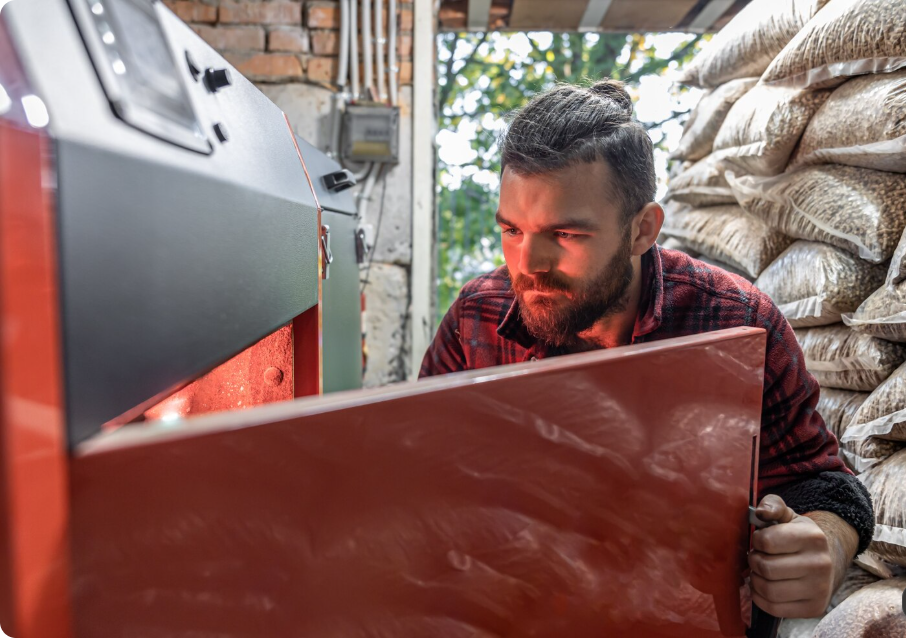
A propane fireplace provides warmth, comfort, and a welcoming atmosphere without the need to store or burn traditional firewood. However, like any gas-powered appliance, it can develop problems that affect its performance, reliability, and safety. When the pilot light goes out, the burner fails to ignite, or the fireplace produces unusual odors, professional propane fireplace repair can help identify the underlying issue and restore proper operation. Whether you own a vented propane fireplace, a vent-free model, or an outdoor propane fireplace, regular inspection and timely repairs are important. Understanding common warning signs can help you recognize when your fireplace needs attention and when to contact a qualified technician. This guide explains common propane fireplace problems, professional repair options, cost considerations, safety precautions, and maintenance practices to help you keep your fireplace in good working condition. What Is Propane Fireplace Repair? Propane fireplace repair involves diagnosing and correcting problems with a fireplace that uses liquefied petroleum gas (LP) as its fuel source. Depending on the appliance, repairs may involve the ignition system, pilot assembly, burner, gas valve, regulator, thermostat, remote control, or venting system. A qualified technician can inspect the fireplace, identify faulty components, check the fuel supply, and verify that the appliance operates according to the manufacturer’s specifications. Common propane fireplace repair services include: The appropriate repair depends on the fireplace model, the symptoms, and the condition of its components. Common Propane Fireplace Problems and Their Solutions Recognizing early warning signs can help prevent a small performance issue from becoming a more serious problem. 1. Propane Fireplace Will Not Light A fireplace that refuses to ignite may have a problem with the ignition system, fuel supply, pilot assembly, or electrical controls. Possible causes include a depleted propane supply, weak batteries in an electronic ignition system, a faulty igniter, or a malfunctioning control component. What to do: Check the owner’s manual for permitted basic checks, such as replacing remote-control batteries. If the fireplace still will not light, arrange a professional inspection rather than repeatedly attempting ignition. Never attempt to light the appliance if you smell gas. 2. Pilot Light Will Not Stay Lit A pilot light that repeatedly goes out is one of the common reasons homeowners request propane fireplace repair. Possible causes include a failing thermocouple, a dirty pilot assembly, insufficient gas pressure, a ventilation issue, or a problem with the gas control system. A technician can test the relevant components and determine whether cleaning, adjustment, or replacement is necessary. Repeated pilot failures should not be ignored because the pilot and its safety controls are important parts of the appliance’s operation. 3. Fireplace Shuts Off Unexpectedly A propane fireplace that starts normally but shuts down after a short time may have a faulty sensor, inconsistent fuel supply, overheating issue, blocked venting, or control-system malfunction. Electronic models may also experience problems with their thermostat, remote receiver, or electrical connections. A professional diagnosis can distinguish between a minor control issue and a condition that requires more extensive repair. 4. Burner Flame Looks Unusual Changes in flame appearance can indicate that the burner needs attention. A flame that looks substantially different from the manufacturer’s normal pattern, produces excessive soot, or causes unusual combustion odors may indicate a dirty burner, incorrect fuel pressure, misplaced decorative logs, or a venting problem. Do not adjust gas pressure or burner components yourself. Stop using the fireplace and arrange an inspection if the flame appears abnormal, especially if soot or unusual odors are present. 5. Fireplace Produces Unusual Odors A propane fireplace should not produce a persistent gas odor. Propane is commonly odorized to help people detect leaks. If you smell gas, treat it as an emergency. Do not light the fireplace, operate electrical switches, or use a phone inside the affected building. Leave immediately, move to a safe location, and contact your propane supplier or emergency services from outside. Do not return until the area has been declared safe. 6. Fireplace Makes Strange Noises Some clicking sounds during ignition or as metal components heat and cool can be normal. However, loud popping, persistent rumbling, unusual whistling, or repeated ignition noises may signal a problem. Potential causes include burner contamination, ignition delays, gas-pressure issues, or damaged components. If the sound is new, persistent, or accompanied by unusual flames or odors, discontinue use and arrange professional service. Types of Propane Fireplace Repair Services Different fireplace designs use different components, so the repair process depends on the specific appliance. Repair service Common warning signs Professional response Ignition repair Fireplace does not ignite Inspect ignition components and controls Pilot assembly repair Pilot will not light or remain lit Evaluate pilot, sensor, and fuel supply Burner service Abnormal flame or soot Inspect burner condition and combustion Gas valve or regulator repair Inconsistent operation or fuel delivery Test gas controls and pressure Electrical control repair Remote or thermostat fails Diagnose batteries, wiring, receiver, or controls Venting inspection Blockage, unusual odors, or combustion concerns Inspect applicable intake and exhaust pathways Seasonal maintenance Dust buildup or declining performance Clean approved areas and inspect key components Repairs involving gas lines, gas valves, regulators, burner adjustments, or internal safety components should be performed by a qualified professional. How Much Does Propane Fireplace Repair Cost? The cost of propane fireplace repair depends on the type of fault, the replacement parts required, the technician’s labor rate, and the complexity of the installation. A minor control issue may be less expensive to address than a damaged gas valve or a problem involving the venting system. Because repair costs vary by location and appliance model, obtain a written estimate before authorizing substantial work. Factors That Influence Repair Costs 1. Type of repair: Cleaning or diagnosing a simple issue may require less labor than replacing a major component. 2. Replacement parts: The price and availability of igniters, sensors, gas valves, and control boards vary by manufacturer. 3. Labor and service fees: Some providers charge a diagnostic fee or minimum service call amount in addition to repair labor. 4. Fireplace accessibility: Difficult-to-access

Tiny House Shed Ideas for Comfortable and Affordable Living
A tiny house shed is a small structure designed or converted to provide compact living space, a backyard retreat, a guest room, or a minimalist home. It combines the simple shape of a traditional shed with thoughtful design, efficient storage, and practical interior features. For homeowners who want to make better use of their property, a tiny house shed can offer flexibility without the footprint of a conventional house. Some people purchase a prebuilt shed shell and customize the interior, while others build a small home from the beginning using shed-inspired designs. The best option depends on the intended use, available land, budget, and local building requirements. A successful tiny house shed should be more than attractive. It needs suitable structural support, weather protection, ventilation, insulation, safe electrical systems, and an appropriate layout. If you plan to live in it, local zoning and residential building requirements are especially important. A storage shed is not automatically approved for residential occupancy. What Is a Tiny House Shed? A tiny house shed is a compact building that uses a shed-style exterior and a functional interior to create a small, usable space. Depending on its design, it may serve as a guest accommodation, home office, hobby room, weekend retreat, or independent dwelling where permitted. Traditional sheds are generally intended for storage. A tiny house shed, however, may include sleeping space, a small kitchen, a bathroom, windows, insulation, heating, and other residential features. Popular Types of Tiny House Sheds The important distinction is how the building will be used. A garden office and a permanent residence may look similar from outside, but they can have very different requirements. Best Tiny House Shed Design Ideas A thoughtful design makes a small structure feel welcoming and practical. Instead of filling every corner with furniture, focus on natural light, efficient circulation, and features that serve more than one purpose. 1. Modern Minimalist Tiny House Shed A modern minimalist design works well for people who appreciate a clean, uncluttered appearance. Simple exterior finishes, neutral colors, straightforward rooflines, and carefully placed windows can make the structure look contemporary. Inside, choose a limited color palette and furniture that fits the available floor area. Wall-mounted lighting, compact cabinets, and built-in shelving can reduce clutter while preserving usable space. This style is particularly suitable for a backyard office, creative studio, or compact guest retreat. 2. Rustic Wooden Tiny House Shed A rustic design emphasizes natural materials and a comfortable cabin atmosphere. Timber finishes, warm lighting, simple furniture, and textured fabrics can make a small interior feel inviting. For the exterior, select durable siding and roofing materials suited to the local climate. Wood requires appropriate protection against moisture, insects, and weather exposure. A rustic shed-style home can work well as a weekend retreat, reading room, or garden escape. 3. Tiny House Shed With a Loft A loft can create additional usable space without expanding the building’s footprint. Depending on the design, the upper area may accommodate a sleeping zone or provide storage for items that are not needed every day. However, a loft reduces some of the available vertical space below. Stairways, ladders, headroom, ventilation, and safe access must be planned carefully. If the loft is intended for sleeping, applicable building and emergency escape requirements should be checked before construction. 4. Tiny House Shed With Large Windows Natural light can make a compact room feel more open. Well-positioned windows also provide outdoor views and can improve the overall atmosphere. Consider window placement when arranging the bed, seating, work desk, and storage. In hot climates, appropriate shading, insulated glazing, and ventilation can help manage indoor temperatures. Large windows should be selected for their performance as well as their appearance. 5. Multi-Purpose Tiny House Shed A multi-purpose layout allows one small building to serve different needs. A desk might double as a dining surface, a sofa bed can accommodate occasional guests, and built-in storage can keep supplies organized. This approach is useful when the structure must support both daytime work and evening relaxation. The key is to create clearly defined zones without overcrowding the interior. How to Plan a Functional Tiny House Shed Layout Good planning is essential because a small building offers limited room for corrections once construction begins. Choose the Right Size The right size depends on the number of occupants, intended use, furniture, storage requirements, and local regulations. A simple garden retreat may need less space than a structure containing a kitchen, bathroom, and sleeping area. Before choosing dimensions, list the activities the building must support. This helps prevent spending money on unnecessary square footage while avoiding a layout that feels cramped. Divide the Interior Into Practical Zones Instead of creating many small rooms, consider using a few well-planned areas. The best arrangement keeps walkways clear and makes frequently used items easy to reach. Use Vertical Space Wisely Wall-mounted shelves, tall cabinets, hooks, and overhead storage can free up valuable floor area. Built-in furniture can also fit awkward corners more efficiently than oversized, freestanding pieces. Avoid storing heavy objects overhead without suitable structural support. Storage solutions should be secure and accessible. Essential Features of a Comfortable Tiny House Shed A visually attractive structure may still be uncomfortable if important building systems are overlooked. The following features deserve attention during planning. Feature Why it matters Planning consideration Insulation Helps moderate indoor temperatures Select materials suited to the climate and building assembly Weatherproofing Protects the structure from rain and moisture Check roofing, flashing, drainage, and exterior sealing Ventilation Helps manage indoor air quality and humidity Plan suitable airflow and exhaust systems Windows and doors Provide daylight, access, and ventilation Consider security, energy performance, and safe exit routes Electrical system Supports lighting and appliances Use appropriate wiring and qualified installation Plumbing Provides water and wastewater facilities Confirm approved connections and local requirements Foundation Supports stability and durability Match the foundation to the soil, structure, and site Storage Keeps the interior organized Prioritize built-in and multi-purpose solutions Insulation and Climate Control Insulation is an important consideration
Narrow Lot Home Designs for Stylish and Space-Saving Living
Narrow lot home designs are an excellent solution for homeowners who want to build a comfortable, attractive, and functional house on a limited-width property. These designs are especially useful in urban neighborhoods, compact residential developments, and areas where land availability makes wider plots difficult to find. A narrow property does not have to limit your home’s style or functionality. With a thoughtful floor plan, you can create a spacious living room, a practical kitchen, comfortable bedrooms, and even outdoor areas without requiring a large building footprint. Many narrow homes use vertical space, open layouts, large windows, and built-in storage to make everyday living more convenient. Whether you prefer a modern two-story home, a traditional cottage, a contemporary townhouse, or a compact family residence, the right design can make the most of your available land. Before choosing a plan, consider your property dimensions, household requirements, budget, natural lighting, privacy, and local building regulations. What Are Narrow Lot Home Designs? Narrow lot home designs are architectural plans created for residential properties with limited width. They focus on making efficient use of the available building area while maintaining comfort, privacy, and visual appeal. The property may be relatively narrow at the street frontage but extend farther back. This encourages designers to arrange rooms along the length of the house or distribute living spaces across multiple floors. Narrow-lot designs often include: The best design depends on the actual dimensions of the lot, local building restrictions, and the number of people who will live in the home. Popular Narrow Lot Home Design Styles Different architectural styles can work well on narrow properties. The ideal choice should balance appearance with the practical requirements of daily living. 1. Modern Narrow Lot Home Designs Modern narrow homes emphasize clean lines, simple geometric shapes, open interiors, and functional details. Large windows, coordinated exterior finishes, and carefully designed lighting can help the house feel bright and welcoming. An open kitchen connected to the dining and living areas reduces unnecessary partitions. This arrangement also creates a more continuous interior space, which can make a narrow home feel less restricted. Modern designs may incorporate energy-efficient windows, suitable insulation, and exterior shading to improve indoor comfort. 2. Two-Story Narrow Lot House Designs A two-story home is a practical choice when the property cannot accommodate all the required rooms on one floor. Building upward provides additional living space without requiring a wider footprint. The ground floor can contain the living room, kitchen, dining area, and a small bathroom. Bedrooms, additional bathrooms, and a study can be placed upstairs. This arrangement separates shared family activities from private sleeping areas. However, the staircase should be positioned carefully so it does not consume too much valuable space. 3. Narrow Lot Contemporary Townhouses Townhouses are often suitable for narrow urban properties because their layouts are designed to use a limited frontage efficiently. In some developments, homes share side walls with neighboring properties. A typical layout includes shared living areas on the ground floor and bedrooms on upper levels. Depending on the property, a townhouse may also include a compact garage, balcony, rooftop terrace, or small rear garden. Before selecting this design, check requirements for shared walls, fire safety, building height, setbacks, and neighboring property access. 4. Small Narrow Lot Cottage Designs A cottage-style home can bring warmth and character to a compact property. Features such as a covered front porch, pitched roof, decorative exterior trim, and natural materials can create an inviting appearance. A cottage may work as a single-story residence if the lot provides sufficient depth and the required rooms fit within the permitted building area. For a small cottage, consider an open living area, a compact kitchen, built-in storage, and windows that maximize daylight. 5. Narrow Lot Homes With Courtyards A courtyard can introduce natural light and an outdoor living area into a house that has limited side-yard space. It may sit beside the living room, near the kitchen, or between different sections of the building. Even a modest courtyard can accommodate plants, seating, or a small garden. Windows facing the courtyard can also create visual connections between indoor and outdoor spaces. Good drainage, privacy, ventilation, and sunlight should be considered during the design stage. 6. Narrow Homes With Rooftop Terraces When there is little room for a traditional garden, a rooftop terrace can provide an alternative outdoor area. It may be used for relaxing, growing plants, or entertaining guests. The terrace requires proper structural support, waterproofing, drainage, guardrails, and safe access. Its construction must also comply with local building-height and rooftop-use regulations. How to Plan a Functional Narrow Lot Floor Plan A successful narrow home design starts with the way people will use the space. The goal is to provide comfortable rooms without wasting valuable floor area on unnecessary corridors or oversized circulation spaces. Create an Open Living and Dining Area Combining the kitchen, dining room, and living room can make a narrow home feel more spacious. Rather than dividing the ground floor into several small rooms, create a connected living area with clearly defined activity zones. A compact dining table, appropriately sized sofa, and efficient kitchen layout can help maintain comfortable movement. Place Bedrooms Strategically In a multi-story house, placing bedrooms upstairs can leave more space for shared activities on the ground floor. In a single-story layout, bedrooms can be positioned toward the quieter end of the building. Built-in wardrobes, sliding doors where suitable, and compact bedside furniture can help reduce clutter. Position the Staircase Carefully The staircase can have a significant impact on a narrow floor plan. Placing it along one side may preserve more usable width for living areas and bedrooms. The design should still provide safe access, suitable headroom, appropriate handrails, and compliant stair dimensions. Storage beneath the stairs can provide additional space for household items. Group Bathrooms and Utility Areas Where practical, positioning bathrooms, the kitchen, and laundry facilities near one another may simplify plumbing routes and maintenance. However, the final arrangement should account for ventilation, drainage, structural requirements,