

Building a home on a narrow property can be challenging, especially when you want comfortable bedrooms, an inviting living area, a functional kitchen, and enough storage without making the house feel cramped. The right floor plan can help you use the available space more efficiently while maintaining comfort, privacy, and visual appeal. Narrow lot homes are often designed for properties with limited street frontage and greater depth. Instead of spreading rooms across a wide footprint, these homes arrange spaces from front to back or use multiple stories to create additional living areas. Whether you are planning a small family house, a modern townhouse, a compact cottage, or a two-story residence, careful planning can transform a narrow plot into a practical home. What Are Narrow Lot Floor Plans? Narrow lot floor plans are architectural layouts created for properties with limited width. They focus on maximizing usable interior space, reducing unnecessary corridors, and positioning rooms to support comfortable everyday living. The ideal design depends on the property’s dimensions, required setbacks, local building regulations, and the number of people who will use the home. Common features include: A narrow home should not simply be a smaller version of a wide house. Its layout should be planned specifically around the site’s dimensions and the family’s daily needs. Best Narrow Lot Floor Plan Ideas for Modern Living 1. Single-Story Narrow Lot House Plans A single-story layout is an excellent choice for homeowners who prefer to avoid stairs. It can provide convenient access between the kitchen, living room, bedrooms, and outdoor areas. In a narrow home, the rooms are often arranged in a front-to-back sequence. For example, the entrance may lead into the living room, followed by a dining area and kitchen, with bedrooms positioned toward the rear for greater privacy. This layout works particularly well when the property has enough depth to accommodate the required rooms without creating long, dark passageways. Design tips: 2. Two-Story Narrow Lot Floor Plans A two-story home can provide more living space without using the entire plot for a large ground-floor footprint. This arrangement is useful when you want several bedrooms, a spacious living area, and outdoor space on a relatively small property. A common approach places shared living areas on the ground floor and bedrooms upstairs. The lower level can include the living room, kitchen, dining area, powder room, and laundry space. The upper floor can contain the main bedroom, additional bedrooms, and bathrooms. This separation helps distinguish social spaces from private areas. However, the staircase must be carefully positioned because it can consume valuable floor space. Built-in storage beneath the stairs can make the area more useful. 3. Open-Concept Narrow Lot Floor Plans An open-concept layout combines two or more shared spaces into one connected area. Removing unnecessary partitions between the kitchen, dining room, and living room can make a narrow home feel brighter and more spacious. This approach also creates flexibility when arranging furniture. A dining table can sit between the kitchen and living area without requiring a separate enclosed room. To maintain organization, use lighting, rugs, furniture placement, or subtle changes in materials to define each zone. Open-concept designs work best when ventilation, cooking odors, noise, and storage are considered during planning. 4. Narrow Lot Floor Plans With a Courtyard A small courtyard can provide an attractive outdoor area while helping bring natural light and air into the middle of a deep home. Depending on the layout, the courtyard may sit beside the living room, between bedroom zones, or near a staircase. Large windows or glass doors facing the courtyard can strengthen the connection between indoor and outdoor spaces. A courtyard may also provide privacy from neighboring properties, which is particularly valuable in closely spaced urban neighborhoods. Before adding one, consider how much interior floor area it will occupy, along with drainage, waterproofing, privacy, and maintenance. 5. Narrow Lot Homes With a Rooftop Terrace When ground-level outdoor space is limited, a rooftop terrace may offer a useful alternative. It can provide room for outdoor seating, container gardening, or relaxation. A rooftop terrace requires proper structural design, waterproofing, drainage, and safe access. It may also be subject to height restrictions and other local regulations. For homeowners who enjoy outdoor living, a carefully designed terrace can add practical value without expanding the building’s footprint. How to Organize Rooms in a Narrow Home Room placement can significantly affect comfort in a narrow house. A well-organized layout minimizes unnecessary movement and makes the interior feel more connected. Living Room and Dining Area The living room is often the first major space visitors encounter. Keep the furniture arrangement simple and avoid oversized sofas that block walkways. A connected dining area can make the space more versatile. Round tables, compact dining sets, and benches can work well where circulation space is limited. Kitchen Layout A galley kitchen or single-wall kitchen can be suitable for a narrow floor plan. These layouts use limited width efficiently and can provide convenient access to cooking, preparation, and storage areas. Place frequently used appliances close to one another while maintaining safe working clearances. Tall cabinets can increase storage, but adequate task lighting is important to keep work surfaces comfortable. Bedroom Placement Bedrooms are generally more comfortable when separated from noisy shared areas. In a two-story home, placing bedrooms upstairs is one way to create that separation. For a single-story design, consider positioning bedrooms toward the rear or along a quieter section of the house. Built-in wardrobes and carefully selected bed sizes can help maintain usable floor space. Bathroom and Laundry Space Bathrooms and laundry areas should be practical without dominating the floor plan. Compact fixtures, wall-mounted storage, and well-planned door swings can improve usability. When a house has multiple floors, placing bathrooms near one another vertically can simplify plumbing routes. The final arrangement should still meet applicable ventilation, waterproofing, and accessibility requirements. Narrow Lot Floor Plan Options Compared Floor plan type Main advantage Best suited for Single-story layout Convenient movement without stairs Small families and homeowners

Tiny House Shed Ideas for Comfortable and Affordable Living
A tiny house shed is a small structure designed or converted to provide compact living space, a backyard retreat, a guest room, or a minimalist home. It combines the simple shape of a traditional shed with thoughtful design, efficient storage, and practical interior features. For homeowners who want to make better use of their property, a tiny house shed can offer flexibility without the footprint of a conventional house. Some people purchase a prebuilt shed shell and customize the interior, while others build a small home from the beginning using shed-inspired designs. The best option depends on the intended use, available land, budget, and local building requirements. A successful tiny house shed should be more than attractive. It needs suitable structural support, weather protection, ventilation, insulation, safe electrical systems, and an appropriate layout. If you plan to live in it, local zoning and residential building requirements are especially important. A storage shed is not automatically approved for residential occupancy. What Is a Tiny House Shed? A tiny house shed is a compact building that uses a shed-style exterior and a functional interior to create a small, usable space. Depending on its design, it may serve as a guest accommodation, home office, hobby room, weekend retreat, or independent dwelling where permitted. Traditional sheds are generally intended for storage. A tiny house shed, however, may include sleeping space, a small kitchen, a bathroom, windows, insulation, heating, and other residential features. Popular Types of Tiny House Sheds The important distinction is how the building will be used. A garden office and a permanent residence may look similar from outside, but they can have very different requirements. Best Tiny House Shed Design Ideas A thoughtful design makes a small structure feel welcoming and practical. Instead of filling every corner with furniture, focus on natural light, efficient circulation, and features that serve more than one purpose. 1. Modern Minimalist Tiny House Shed A modern minimalist design works well for people who appreciate a clean, uncluttered appearance. Simple exterior finishes, neutral colors, straightforward rooflines, and carefully placed windows can make the structure look contemporary. Inside, choose a limited color palette and furniture that fits the available floor area. Wall-mounted lighting, compact cabinets, and built-in shelving can reduce clutter while preserving usable space. This style is particularly suitable for a backyard office, creative studio, or compact guest retreat. 2. Rustic Wooden Tiny House Shed A rustic design emphasizes natural materials and a comfortable cabin atmosphere. Timber finishes, warm lighting, simple furniture, and textured fabrics can make a small interior feel inviting. For the exterior, select durable siding and roofing materials suited to the local climate. Wood requires appropriate protection against moisture, insects, and weather exposure. A rustic shed-style home can work well as a weekend retreat, reading room, or garden escape. 3. Tiny House Shed With a Loft A loft can create additional usable space without expanding the building’s footprint. Depending on the design, the upper area may accommodate a sleeping zone or provide storage for items that are not needed every day. However, a loft reduces some of the available vertical space below. Stairways, ladders, headroom, ventilation, and safe access must be planned carefully. If the loft is intended for sleeping, applicable building and emergency escape requirements should be checked before construction. 4. Tiny House Shed With Large Windows Natural light can make a compact room feel more open. Well-positioned windows also provide outdoor views and can improve the overall atmosphere. Consider window placement when arranging the bed, seating, work desk, and storage. In hot climates, appropriate shading, insulated glazing, and ventilation can help manage indoor temperatures. Large windows should be selected for their performance as well as their appearance. 5. Multi-Purpose Tiny House Shed A multi-purpose layout allows one small building to serve different needs. A desk might double as a dining surface, a sofa bed can accommodate occasional guests, and built-in storage can keep supplies organized. This approach is useful when the structure must support both daytime work and evening relaxation. The key is to create clearly defined zones without overcrowding the interior. How to Plan a Functional Tiny House Shed Layout Good planning is essential because a small building offers limited room for corrections once construction begins. Choose the Right Size The right size depends on the number of occupants, intended use, furniture, storage requirements, and local regulations. A simple garden retreat may need less space than a structure containing a kitchen, bathroom, and sleeping area. Before choosing dimensions, list the activities the building must support. This helps prevent spending money on unnecessary square footage while avoiding a layout that feels cramped. Divide the Interior Into Practical Zones Instead of creating many small rooms, consider using a few well-planned areas. The best arrangement keeps walkways clear and makes frequently used items easy to reach. Use Vertical Space Wisely Wall-mounted shelves, tall cabinets, hooks, and overhead storage can free up valuable floor area. Built-in furniture can also fit awkward corners more efficiently than oversized, freestanding pieces. Avoid storing heavy objects overhead without suitable structural support. Storage solutions should be secure and accessible. Essential Features of a Comfortable Tiny House Shed A visually attractive structure may still be uncomfortable if important building systems are overlooked. The following features deserve attention during planning. Feature Why it matters Planning consideration Insulation Helps moderate indoor temperatures Select materials suited to the climate and building assembly Weatherproofing Protects the structure from rain and moisture Check roofing, flashing, drainage, and exterior sealing Ventilation Helps manage indoor air quality and humidity Plan suitable airflow and exhaust systems Windows and doors Provide daylight, access, and ventilation Consider security, energy performance, and safe exit routes Electrical system Supports lighting and appliances Use appropriate wiring and qualified installation Plumbing Provides water and wastewater facilities Confirm approved connections and local requirements Foundation Supports stability and durability Match the foundation to the soil, structure, and site Storage Keeps the interior organized Prioritize built-in and multi-purpose solutions Insulation and Climate Control Insulation is an important consideration
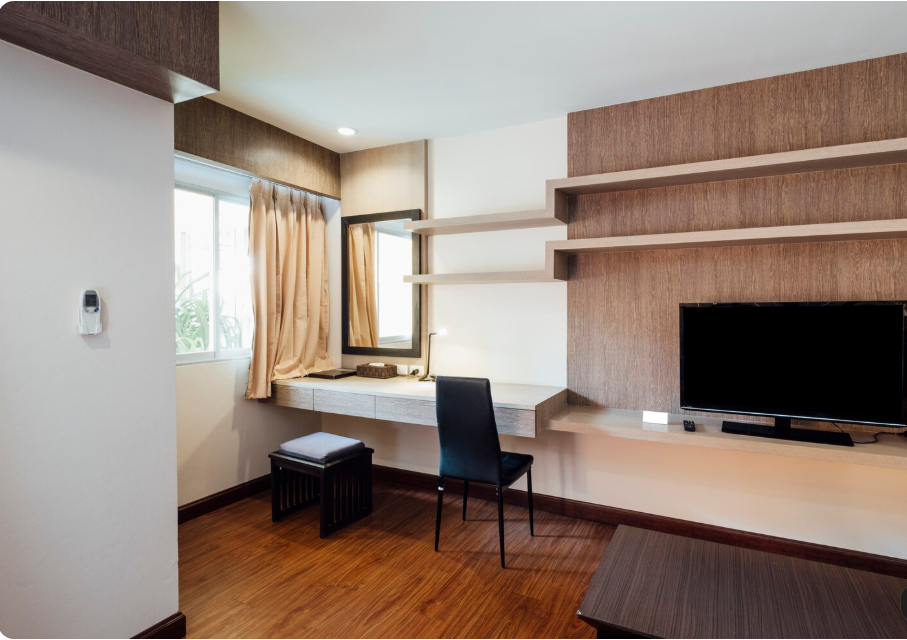
Narrow Lot Home Designs for Stylish and Space-Saving Living
Narrow lot home designs are an excellent solution for homeowners who want to build a comfortable, attractive, and functional house on a limited-width property. These designs are especially useful in urban neighborhoods, compact residential developments, and areas where land availability makes wider plots difficult to find. A narrow property does not have to limit your home’s style or functionality. With a thoughtful floor plan, you can create a spacious living room, a practical kitchen, comfortable bedrooms, and even outdoor areas without requiring a large building footprint. Many narrow homes use vertical space, open layouts, large windows, and built-in storage to make everyday living more convenient. Whether you prefer a modern two-story home, a traditional cottage, a contemporary townhouse, or a compact family residence, the right design can make the most of your available land. Before choosing a plan, consider your property dimensions, household requirements, budget, natural lighting, privacy, and local building regulations. What Are Narrow Lot Home Designs? Narrow lot home designs are architectural plans created for residential properties with limited width. They focus on making efficient use of the available building area while maintaining comfort, privacy, and visual appeal. The property may be relatively narrow at the street frontage but extend farther back. This encourages designers to arrange rooms along the length of the house or distribute living spaces across multiple floors. Narrow-lot designs often include: The best design depends on the actual dimensions of the lot, local building restrictions, and the number of people who will live in the home. Popular Narrow Lot Home Design Styles Different architectural styles can work well on narrow properties. The ideal choice should balance appearance with the practical requirements of daily living. 1. Modern Narrow Lot Home Designs Modern narrow homes emphasize clean lines, simple geometric shapes, open interiors, and functional details. Large windows, coordinated exterior finishes, and carefully designed lighting can help the house feel bright and welcoming. An open kitchen connected to the dining and living areas reduces unnecessary partitions. This arrangement also creates a more continuous interior space, which can make a narrow home feel less restricted. Modern designs may incorporate energy-efficient windows, suitable insulation, and exterior shading to improve indoor comfort. 2. Two-Story Narrow Lot House Designs A two-story home is a practical choice when the property cannot accommodate all the required rooms on one floor. Building upward provides additional living space without requiring a wider footprint. The ground floor can contain the living room, kitchen, dining area, and a small bathroom. Bedrooms, additional bathrooms, and a study can be placed upstairs. This arrangement separates shared family activities from private sleeping areas. However, the staircase should be positioned carefully so it does not consume too much valuable space. 3. Narrow Lot Contemporary Townhouses Townhouses are often suitable for narrow urban properties because their layouts are designed to use a limited frontage efficiently. In some developments, homes share side walls with neighboring properties. A typical layout includes shared living areas on the ground floor and bedrooms on upper levels. Depending on the property, a townhouse may also include a compact garage, balcony, rooftop terrace, or small rear garden. Before selecting this design, check requirements for shared walls, fire safety, building height, setbacks, and neighboring property access. 4. Small Narrow Lot Cottage Designs A cottage-style home can bring warmth and character to a compact property. Features such as a covered front porch, pitched roof, decorative exterior trim, and natural materials can create an inviting appearance. A cottage may work as a single-story residence if the lot provides sufficient depth and the required rooms fit within the permitted building area. For a small cottage, consider an open living area, a compact kitchen, built-in storage, and windows that maximize daylight. 5. Narrow Lot Homes With Courtyards A courtyard can introduce natural light and an outdoor living area into a house that has limited side-yard space. It may sit beside the living room, near the kitchen, or between different sections of the building. Even a modest courtyard can accommodate plants, seating, or a small garden. Windows facing the courtyard can also create visual connections between indoor and outdoor spaces. Good drainage, privacy, ventilation, and sunlight should be considered during the design stage. 6. Narrow Homes With Rooftop Terraces When there is little room for a traditional garden, a rooftop terrace can provide an alternative outdoor area. It may be used for relaxing, growing plants, or entertaining guests. The terrace requires proper structural support, waterproofing, drainage, guardrails, and safe access. Its construction must also comply with local building-height and rooftop-use regulations. How to Plan a Functional Narrow Lot Floor Plan A successful narrow home design starts with the way people will use the space. The goal is to provide comfortable rooms without wasting valuable floor area on unnecessary corridors or oversized circulation spaces. Create an Open Living and Dining Area Combining the kitchen, dining room, and living room can make a narrow home feel more spacious. Rather than dividing the ground floor into several small rooms, create a connected living area with clearly defined activity zones. A compact dining table, appropriately sized sofa, and efficient kitchen layout can help maintain comfortable movement. Place Bedrooms Strategically In a multi-story house, placing bedrooms upstairs can leave more space for shared activities on the ground floor. In a single-story layout, bedrooms can be positioned toward the quieter end of the building. Built-in wardrobes, sliding doors where suitable, and compact bedside furniture can help reduce clutter. Position the Staircase Carefully The staircase can have a significant impact on a narrow floor plan. Placing it along one side may preserve more usable width for living areas and bedrooms. The design should still provide safe access, suitable headroom, appropriate handrails, and compliant stair dimensions. Storage beneath the stairs can provide additional space for household items. Group Bathrooms and Utility Areas Where practical, positioning bathrooms, the kitchen, and laundry facilities near one another may simplify plumbing routes and maintenance. However, the final arrangement should account for ventilation, drainage, structural requirements,

Motorsports Jobs: Career Opportunities, Skills, Qualifications, and Tips for Building a Successful Racing Career
For people who are passionate about racing, cars, engineering, technology, and high-performance vehicles, motorsports jobs can offer an exciting and challenging career path. While many people associate motorsports with professional drivers, the industry depends on a much larger team of engineers, mechanics, technicians, designers, data specialists, marketing professionals, logistics experts, and business professionals. Modern motorsport combines mechanical engineering, software, data analysis, manufacturing, aerodynamics, communication, event management, and business operations. This means there are career opportunities for people with many different educational backgrounds and skill sets. Whether you dream of working trackside, designing racing components, analyzing vehicle data, maintaining race cars, managing a racing team, or supporting events behind the scenes, understanding the available career paths can help you plan your next step. What Are Motorsports Jobs? Motorsports jobs include professional positions that support racing teams, drivers, circuits, manufacturers, suppliers, events, and related businesses. Some positions are directly connected to race vehicles, while others focus on the commercial and operational side of the industry. Motorsport teams commonly require professionals in engineering, manufacturing, race operations, technology, marketing, business support, logistics, and other areas. (Motor Racing Industry) Key motorsport career areas include: This wide range of positions means you do not necessarily need to be a professional driver to build a career in motorsport. Why Choose a Career in Motorsports? Motorsport can be an attractive career choice for people who enjoy fast-paced environments, technical challenges, teamwork, and continuous improvement. The industry also provides opportunities to work with advanced vehicle technologies and performance systems. Modern racing relies heavily on engineering, data, simulation, manufacturing, and specialized technical knowledge. (Graduate America) Some advantages of a motorsport career include: Motorsport can be demanding, but for people who genuinely enjoy the industry, the combination of technology, competition, and teamwork can be highly rewarding. Popular Types of Motorsports Jobs There are many different career paths available. Your ideal role will depend on your interests, education, practical abilities, and career goals. Motorsport Engineer Motorsport engineers work on vehicle performance, design, testing, setup, and development. Depending on their specialization, they may focus on mechanical systems, vehicle dynamics, performance, electronics, or other areas. Engineering roles can be based at a team’s factory or at the racetrack. Race Engineer A race engineer works closely with drivers and technical team members to optimize vehicle performance during racing events. The role can involve vehicle setup, performance analysis, communication, and decision-making. Race Mechanic Race mechanics are responsible for preparing, maintaining, inspecting, and repairing racing vehicles. Their work can involve extremely tight deadlines, particularly during race weekends. Data Analyst Modern motorsport generates large amounts of data. Data professionals analyze information from vehicle systems, testing, and race sessions to help teams understand performance and make informed decisions. Aerodynamicist Aerodynamicists study airflow around racing vehicles and develop solutions intended to improve aerodynamic performance. Their work can involve simulation, computational fluid dynamics, wind-tunnel testing, and physical testing. (Motorsport Jobs) Fabrication and Manufacturing Technician Fabricators and manufacturing specialists create and modify components used on racing vehicles. Their work can include machining, welding, composites, assembly, and other production processes. Motorsport Role Main Responsibility Useful Skills Race Engineer Vehicle performance and race support Engineering, analysis, communication Race Mechanic Vehicle maintenance and repair Mechanical skills, accuracy Data Analyst Performance and telemetry analysis Data analysis, software Aerodynamicist Airflow and aerodynamic development CFD, engineering, mathematics Fabricator Component manufacturing Welding, machining, fabrication Team Manager Team and operational coordination Leadership, organization Trackside vs. Factory Motorsport Careers One important decision is whether you want a trackside role or a factory-based position. Trackside professionals travel with racing teams and work directly at events. Factory professionals generally work from team headquarters, where vehicles and components are designed, tested, manufactured, and prepared. Trackside roles Examples include: Factory-based roles Examples include: Both environments can provide valuable career experience, but they have different lifestyles. Trackside work may involve significant travel and irregular schedules, while factory positions can provide a more predictable working environment. (Motorsport NDA) Qualifications for Motorsports Jobs The qualifications required depend heavily on the position. Engineering and technical roles often require relevant education or technical training. Other positions, particularly marketing, communications, logistics, administration, and business roles, may require qualifications related to their specific fields. Relevant educational backgrounds can include: Some roles may also value technical certifications, practical training, apprenticeships, or industry-specific experience. Skills That Can Help You Enter Motorsport Education is important, but practical skills and real-world experience can make a major difference. Technical Skills For technical positions, employers may value knowledge of: Soft Skills Motorsport is highly collaborative. Professionals need to communicate effectively and work under pressure. Important soft skills include: The ability to stay calm and accurate when working under time pressure can be particularly valuable in racing environments. Why Hands-On Experience Matters Motorsport employers often value candidates who can demonstrate that they have applied their knowledge in real situations. Practical experience can come through internships, apprenticeships, university racing teams, karting teams, grassroots motorsport, volunteering, or related automotive work. (Motorsport NDA) For students, participating in engineering competitions and student racing projects can provide valuable opportunities to work on vehicle design, fabrication, testing, team management, and race operations. Useful ways to gain experience include: Even experience outside professional motorsport can be useful when it develops transferable skills. Motorsport Jobs for Beginners You do not always need years of professional racing experience to start your career. Entry-level opportunities can include trainee technician, junior mechanic, graduate engineer, manufacturing assistant, data assistant, operations assistant, marketing assistant, and other support roles. The important thing is to identify a position that matches your current skills while providing room for development. Beginners should focus on: Starting in a related automotive or engineering role can also help you develop experience that later transfers into motorsport. How to Find Motorsports Jobs A focused job search can help you identify opportunities that match your interests. Instead of searching only for “motorsports jobs,” consider searching for specific job titles. Useful search terms include: Current motorsport recruitment platforms show opportunities across engineering, manufacturing, race operations, commercial roles, technology, marketing, business support,

Automotive Technician Vacancies: Career Opportunities, Skills, Qualifications, Salaries, and Job Search Tips
The automotive industry continues to create opportunities for skilled professionals who understand vehicle maintenance, diagnostics, repair, and modern automotive technology. For people looking to build or advance a career in the automotive field, automotive technician vacancies can provide opportunities across dealerships, independent repair shops, fleet companies, service centers, and specialty automotive businesses. Automotive technicians play an important role in keeping vehicles safe, reliable, and road-ready. Their responsibilities can range from routine maintenance and inspections to advanced diagnostics and complex mechanical or electrical repairs. As vehicles become increasingly sophisticated, technicians are expected to understand more than traditional mechanical systems. Modern vehicles can include advanced electronics, computerized control systems, driver-assistance technologies, hybrid systems, and other specialized components. This means that ongoing training and technical knowledge are becoming increasingly valuable. Whether you are an experienced technician searching for a better position or someone considering automotive repair as a career, understanding the available roles, required skills, qualifications, and hiring process can help you make more informed career decisions. What Does an Automotive Technician Do? An automotive technician is responsible for inspecting, maintaining, diagnosing, and repairing vehicles. The exact responsibilities depend on the employer, vehicle type, and level of specialization. Some technicians focus primarily on mechanical systems, while others specialize in diagnostics, electrical systems, specific vehicle brands, or advanced automotive technologies. Common responsibilities include: Technicians must combine technical knowledge with practical problem-solving skills. A successful repair often requires identifying the underlying cause of a problem rather than simply replacing a damaged component. Why Consider a Career as an Automotive Technician? Automotive technician work can be a rewarding career for people who enjoy mechanical systems, technology, hands-on work, and problem solving. The industry offers a variety of career paths, allowing technicians to develop specialized expertise over time. Key career benefits can include: People who enjoy learning how machines work may find automotive repair particularly engaging because technology and vehicle systems continue to evolve. Types of Automotive Technician Vacancies Not every technician position is the same. Employers may advertise positions based on experience, specialization, vehicle type, or specific technical skills. Entry-Level Automotive Technician Entry-level technicians generally assist with inspections, maintenance, basic repairs, and workshop tasks. These roles can provide valuable practical experience for people beginning their automotive careers. General Automotive Technician General technicians typically perform a wider range of maintenance and repair work. They may service brakes, suspension, engines, cooling systems, steering components, and other vehicle systems. Diagnostic Technician Diagnostic technicians focus heavily on identifying complex vehicle problems. They may use scan tools, testing equipment, technical information, and systematic troubleshooting methods. Automotive Electrical Technician Electrical specialists work with batteries, wiring, sensors, lighting, electronic control systems, and other electrical components. Master or Senior Technician Experienced technicians may take on more complex repairs, mentor junior staff, diagnose difficult problems, and support workshop operations. Technician Role Typical Focus Useful Skills Entry-level technician Basic maintenance and repairs Fundamental mechanical knowledge General technician Broad vehicle servicing Mechanical and diagnostic skills Diagnostic technician Fault finding Scan tools and troubleshooting Electrical technician Electrical systems Wiring and electronics Senior technician Complex repairs Advanced technical experience Skills Employers Look For Technical knowledge is essential, but employers often value a combination of technical, practical, and interpersonal skills. Mechanical Skills Technicians should understand the basic operation of major vehicle systems, including engines, transmissions, brakes, steering, suspension, cooling, and exhaust systems. Diagnostic Skills Modern technicians need to identify problems efficiently. Diagnostic skills can reduce unnecessary parts replacement and help technicians find the actual cause of a fault. Electrical Knowledge As vehicles become more electronically controlled, understanding electrical circuits, sensors, wiring, and electronic systems is increasingly important. Problem-Solving Ability A technician may encounter symptoms that have several possible causes. The ability to systematically test and eliminate possibilities is extremely valuable. Communication Skills Technicians may need to explain technical issues to service advisors, managers, or customers. Clear communication can help ensure that repairs are understood correctly. Qualifications for Automotive Technician Jobs Requirements vary between employers and locations. Some positions may accept candidates with basic automotive training, while advanced roles can require significant experience and specialized qualifications. Common qualifications may include: Practical experience can be particularly valuable. Employers may consider how confidently a candidate can diagnose and repair real-world vehicle problems. Experience Matters in Automotive Careers Experience can help technicians develop speed, accuracy, and confidence. A newly trained technician may understand the theory behind a repair but still need practical experience to become efficient in a busy workshop. Working under experienced technicians can provide exposure to different vehicle models, repair procedures, diagnostic methods, and customer requirements. Experience can help develop: For entry-level applicants, apprenticeships, internships, training placements, and junior technician positions can provide valuable experience. Automotive Technician Skills for Modern Vehicles Vehicle technology has changed significantly. Today’s technicians may encounter computerized systems, advanced sensors, electronic control modules, hybrid powertrains, and driver-assistance features. This means technicians who continue learning can improve their career opportunities. Modern areas worth learning include: Continuous education can help technicians remain competitive as vehicle technology develops. Where Can Automotive Technicians Find Jobs? Automotive technicians can work in many different environments. Dealerships Dealership technicians generally work on specific vehicle brands and may receive manufacturer-related training. They can gain detailed knowledge of particular models and systems. Independent Repair Shops Independent garages often service multiple vehicle brands. This can provide technicians with broad experience across different manufacturers. Fleet Maintenance Companies Businesses operating large vehicle fleets need technicians to keep vehicles maintained and operational. Specialty Workshops Some technicians specialize in areas such as transmissions, performance vehicles, electrical systems, tires, brakes, or diesel systems. Automotive Service Centers Large service centers may offer opportunities for technicians at different experience levels. How to Search for Automotive Technician Vacancies A focused job search can make it easier to find positions that match your experience and career goals. Instead of searching for only one job title, consider related terms such as: You can also search by specialization, vehicle type, experience level, or employer type. How to Create a Strong Automotive Technician Resume Your resume should clearly communicate

Car Dealership Jobs Near Me
Car Dealership Jobs Near Me: A Complete Guide to Finding the Best Automotive Careers, Building Skills, Earning More, and Growing in the Dealership Industry The automotive industry offers a wide range of career opportunities for people with different skills, educational backgrounds, and professional goals. From sales and customer service to vehicle maintenance, finance, administration, and management, dealerships need employees in many different roles. If you are searching for car dealership jobs near me, understanding the available positions and what employers look for can make your job search more effective. Working at a car dealership can be an excellent career choice for individuals who enjoy automobiles, interacting with customers, achieving sales goals, and working in a fast-paced environment. Some positions are suitable for freshers, while others require technical knowledge or previous automotive experience. This guide explains the most common dealership careers, essential skills, qualifications, earning potential, career growth, and practical ways to find the right opportunity. Why Consider a Career at a Car Dealership? Car dealerships are more than places where vehicles are sold. Modern dealerships operate as complete automotive businesses with sales departments, service centers, finance teams, parts departments, customer relationship teams, and administrative staff. This creates opportunities for people with different interests. Major benefits of working in a dealership include: For someone who enjoys working with people and has an interest in automobiles, dealership employment can provide both professional and financial growth. Types of Car Dealership Jobs Available When searching for dealership employment, it is important to understand the different departments and responsibilities. Not every job requires previous automobile industry experience. 1. Car Sales Executive A sales executive is one of the most visible employees in a dealership. Their primary responsibility is to help customers choose the right vehicle. Typical responsibilities include: Strong communication and persuasion skills are particularly valuable in this position. 2. Customer Relationship Executive Customer relationship professionals help dealerships maintain long-term relationships with buyers. Their work may involve contacting customers, collecting feedback, scheduling follow-ups, communicating service reminders, and resolving basic customer concerns. This position is particularly suitable for people who enjoy communication and customer interaction. 3. Service Advisor Service advisors work between customers and the workshop team. They understand customer complaints, create job cards, communicate repair requirements, and coordinate with technicians. A service advisor should have good communication skills and a basic understanding of vehicle systems. 4. Automotive Technician Technicians handle vehicle inspections, maintenance, diagnostics, repairs, and other technical work. This career path generally requires technical education, practical training, or relevant experience. 5. Parts Specialist Parts employees manage vehicle components and help ensure that technicians and customers receive the correct parts. Their responsibilities can include: 6. Finance and Insurance Executive Finance professionals help customers understand financing options, documentation, insurance products, and other purchase-related services. Strong attention to detail and communication skills are important for this role. Car Dealership Job Roles at a Glance Job Role Main Responsibility Suitable For Sales Executive Vehicle sales and customer assistance Freshers & experienced candidates Customer Relationship Executive Customer communication and follow-up Communication-focused candidates Service Advisor Workshop and customer coordination Automotive/customer service professionals Technician Vehicle inspection and repair Technically trained candidates Parts Specialist Parts sales and inventory Organized automotive professionals Finance Executive Vehicle financing and documentation Finance & sales professionals Sales Manager Team management and sales targets Experienced sales professionals Skills Employers Look for in Dealership Employees Finding a dealership position is not only about having the right qualification. Employers also evaluate communication, attitude, customer handling, product knowledge, and the ability to work toward goals. Communication Skills Clear communication is essential in almost every dealership position. Sales employees need to explain vehicle features, while service advisors must communicate technical information in a simple way. Customer Service Skills Automotive purchases and servicing can involve significant expenses. Customers want employees who are polite, helpful, responsive, and trustworthy. Good customer service can lead to repeat business and referrals. Automotive Knowledge You do not necessarily need to be an expert before starting a dealership job. However, learning about vehicle features, engine types, safety systems, fuel efficiency, electric vehicles, and basic maintenance can give you an advantage. Sales Ability Sales positions require confidence, product knowledge, negotiation skills, follow-up ability, and a target-oriented mindset. Digital Skills Modern dealerships use digital platforms for customer management, lead tracking, communication, inventory, and marketing. Basic computer knowledge can therefore be valuable. Qualifications Required for Dealership Jobs Requirements vary significantly depending on the position. Entry-level sales and customer service jobs may accept candidates with basic educational qualifications and strong communication skills. Technical positions usually require specialized automotive training or relevant experience. Common qualifications may include: The most important factor is to match your qualifications with the responsibilities of the position. Entry-Level Car Dealership Jobs for Freshers One of the biggest advantages of the dealership industry is that several positions can be accessible to people starting their careers. Freshers can explore roles such as: A fresher may not have extensive automotive knowledge, but a positive attitude and willingness to learn can make a strong difference. How Freshers Can Improve Their Chances Before applying, learn basic information about the dealership and the vehicle brands it represents. Understand common vehicle categories, popular features, financing basics, and customer buying factors. Prepare a professional resume and practice answering common interview questions. How to Find the Right Dealership Opportunity Searching online is one method, but successful job seekers often use several approaches. Useful strategies include: If you are specifically searching for local opportunities, include your city or area along with the job title when searching. This can make results more relevant. What to Include in Your Dealership Resume A strong resume should make it easy for a hiring manager to understand your abilities. Include: If you have sales experience, mention measurable achievements whenever possible. For example, instead of simply saying “worked in sales,” describe your experience with customer handling, lead conversion, or sales targets. Career Growth in the Dealership Industry A dealership career does not have to remain at an entry-level position. Employees who consistently perform well

Auto Motive
Auto Motive: A Complete Guide to Modern Vehicles, Automotive Technology, Maintenance, Performance, and Smart Driving The automotive world is constantly changing, bringing new technologies, improved safety systems, better performance, and more efficient ways to travel. From traditional gasoline-powered vehicles to hybrid and electric models, modern transportation offers more choices than ever before. Understanding the auto motive industry can help drivers, vehicle owners, and automotive enthusiasts make informed decisions about cars and everyday vehicle care. The modern automotive experience is about much more than simply getting from one location to another. Vehicle design now combines comfort, technology, performance, safety, connectivity, and efficiency. Whether you are interested in buying a new car, maintaining an existing vehicle, or learning more about automotive trends, understanding the basics can be valuable. A well-maintained vehicle can provide dependable transportation for years, while understanding automotive technology can make driving safer and more convenient. With the right knowledge, car owners can also make better decisions about maintenance, repairs, fuel efficiency, and vehicle upgrades. What Is the Auto Motive Industry? The automotive industry includes the companies, technologies, products, and services involved in designing, manufacturing, selling, maintaining, and operating vehicles. It covers a broad range of areas, including: The industry continues to evolve as manufacturers develop new approaches to efficiency, connectivity, automation, and vehicle design. Major Types of Modern Vehicles Today’s automotive market provides several types of vehicles designed for different driving requirements. Sedans Sedans have traditionally been popular because they offer comfortable passenger seating, a dedicated trunk, and balanced road performance. They can be suitable for commuting, family use, and longer journeys. SUVs SUVs are known for their spacious interiors, flexible cargo areas, and generally higher seating positions. They range from compact urban models to larger family-oriented vehicles. Hatchbacks Hatchbacks combine a compact exterior with a flexible rear cargo area. Their maneuverability and practical design make them popular for urban driving. Electric Vehicles Electric vehicles use electric motors powered by batteries. They provide a different driving experience from conventional vehicles and typically produce no tailpipe emissions during operation. Hybrid Vehicles Hybrid vehicles combine an internal combustion engine with an electric propulsion system. Depending on the type of hybrid, the vehicle may use electric power, engine power, or both. Vehicle Type Key Characteristic Common Use Sedan Comfortable and balanced design Daily commuting SUV Space and flexible cargo capacity Families and travel Hatchback Compact and practical City driving Electric Vehicle Battery-powered electric propulsion Everyday and urban travel Hybrid Engine and electric propulsion Mixed driving Important Automotive Technologies Automotive technology has developed rapidly over the past several decades. Modern vehicles can include sophisticated systems designed to improve safety, comfort, efficiency, and connectivity. Driver Assistance Systems Many vehicles now offer technologies that can assist drivers with specific tasks. Examples include: These systems are designed to assist drivers, but they do not eliminate the need for attentive and responsible driving. Connected Car Technology Modern vehicles can connect with smartphones and digital services. Depending on the vehicle, drivers may have access to navigation, music, communication, remote vehicle functions, and vehicle-status information. Connectivity can make everyday driving more convenient, particularly for people who spend significant time on the road. The Importance of Automotive Maintenance Regular maintenance is one of the most important parts of vehicle ownership. Even advanced vehicles require inspections and servicing to remain reliable. Engine and Fluid Checks For vehicles with combustion engines, engine oil is essential for lubrication and component protection. Other fluids, including coolant and brake fluid, also require attention. Electric vehicles have different maintenance requirements, but they still contain systems such as brakes, tires, suspension components, cooling systems, and electrical equipment that require inspection. Tire Maintenance Tires influence braking, handling, ride comfort, and efficiency. Drivers should check tire pressure according to the vehicle manufacturer’s recommendations and monitor tread condition. Uneven tire wear can sometimes indicate alignment or suspension issues. Brake Maintenance Brakes are among the most important safety systems in any vehicle. Unusual sounds, vibrations, changes in pedal feel, or other braking problems should be checked by a qualified professional. Automotive Maintenance Checklist A simple maintenance checklist can help vehicle owners stay organized. Component What to Monitor Why It Matters Tires Pressure and tread Handling and safety Brakes Noise and stopping performance Safe braking Engine oil Level and condition Engine lubrication Battery Starting and electrical performance Reliability Lights Headlights, brake lights, indicators Visibility Coolant Level and leaks Temperature control Wipers Blade condition Clear visibility Maintenance schedules vary by vehicle, so the manufacturer’s service recommendations should always take priority. How Automotive Technology Improves Safety Safety has become one of the most important areas of automotive development. Manufacturers use a combination of passive and active technologies to help protect occupants. Passive Safety Passive safety features help protect occupants when a collision occurs. These can include: Active Safety Active safety systems are designed to help drivers avoid or reduce the severity of certain incidents. Examples include: Drivers should understand how these systems operate and their limitations rather than relying on them as substitutes for attentive driving. Improving Vehicle Fuel Efficiency Fuel efficiency can influence the overall cost of owning and operating a vehicle. Several everyday habits can help reduce unnecessary fuel consumption. Useful practices include: Driving conditions, weather, traffic, vehicle size, and engine design also affect fuel consumption. Electric and Hybrid Automotive Trends Electrification has become an important part of the automotive landscape. Electric and hybrid vehicles offer alternatives to conventional internal combustion vehicles. Benefits of Electric Vehicles Depending on the vehicle and local electricity sources, electric vehicles can offer: However, charging availability, driving range, charging time, purchase price, and local infrastructure are important considerations. Hybrid Vehicle Advantages Hybrid vehicles can combine the characteristics of conventional and electric propulsion. Some systems can recover energy during braking and use it to support electric operation. The right choice depends on driving habits, charging access, budget, and personal requirements. Automotive Design and Comfort Vehicle design is no longer focused only on appearance. Interior comfort and usability are major parts of modern automotive development. Features may include: