

Ask a service writer what job causes the most comebacks and you will rarely hear “brakes.” You will hear about the engine replacement that was quoted in a hurry, sourced from the cheapest listing and installed without anyone checking what arrived on the pallet. For techs and service advisors building a career, engine swaps are a strange skill. They pay well in flat-rate hours, they look great on a resume, and they can wreck a shop’s reputation in a single weekend. The difference is mostly process, and very little of it happens with a wrench in hand. Sourcing is a technical job, not a purchasing one In a lot of shops the parts person orders the engine and the tech meets it on delivery day. That handoff is where things go wrong. The person who will install the unit should be the one confirming engine code, transmission type, sensor generation and accessory layout against the customer’s VIN. Japanese engines in particular can change part numbers mid-generation, so “fits a 2005” is not the same as “fits this 2005.” Shops that do swaps every week usually settle on a few importers they trust and learn their catalog. A supplier such as JDM Engine Direct, which stocks used JDM engines sorted by make and model, is the kind of source a tech should be comparing specs against before the order goes in, not after the crate shows up. Inspection starts the day the engine arrives. Photo: Wikimedia Commons (CC0) The receiving inspection nobody bills for Good techs open the crate the day it lands. They check for cracked housings and broken sensor connectors, pull a plug or two, spin the crank by hand and, when possible, run a compression or leak-down test before the old engine ever comes out. It takes under an hour. It is also the hour that decides whether a bad unit gets returned for free or discovered after twelve hours of labor that nobody will pay for twice. Photograph everything. Serial numbers, oil on the dipstick, the condition of the timing cover. Warranty claims are won with pictures. Paperwork is part of the skill set Most used-engine warranties set conditions: new fluids, new filter, sometimes a new timing belt or water pump, all documented on the repair order. Advisors who know how to write that order properly protect the shop and the customer at the same time. Techs who skip a listed item can void coverage without realizing it. Why this matters for your career The U.S. Bureau of Labor Statistics counted about 805,600 automotive service technician and mechanic jobs in 2024, with employment projected to grow 4 percent through 2034. Most of those people can replace an engine. Far fewer can source one correctly, inspect it, document it and hand the customer a car that does not come back. That second group gets trusted with the expensive jobs, and expensive jobs are what flat-rate pay rewards. There is a customer-service side as well. An advisor who can explain why the shop wants a compression test on a replacement engine, or why the timing belt is on the estimate, closes more of those jobs and gets fewer angry calls. Customers rarely object to a cost they understand. They object to surprises, and a disciplined swap process is mostly a way of removing surprises before the car is on the lift. So learn the wrench work, obviously. Then learn the boring half: catalogs, engine codes, receiving checks and warranty language. Shop owners notice who reads the fine print, and they tend to promote that person.
Rebuilt, remanufactured or used transmission: what the numbers say
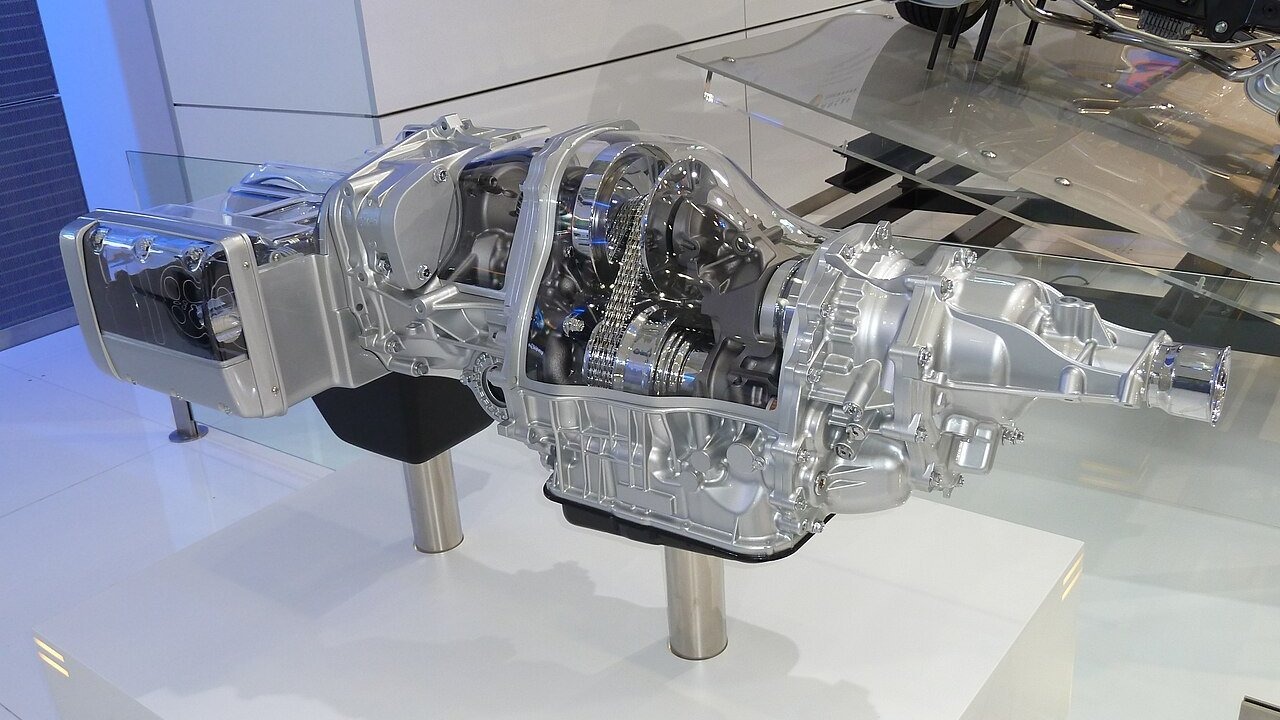
One transmission rebuilder’s published price table puts a used transmission at $1,200 to $3,400 installed, a local rebuild at $2,200 to $4,500, and a remanufactured unit at $2,400 to $7,000. Those ranges overlap more than most car owners expect, which is exactly why the decision is harder than “cheapest wins.” When a gearbox fails on a car that is otherwise worth keeping, the owner is really making an investment decision with three variables: up-front cost, risk, and how much life the car has left. Looking at it that way makes the choice clearer. The three options, defined plainly A rebuilt transmission is your own unit, torn down by a local shop, with worn parts replaced. You keep your core and the shop’s warranty, which is often local. A remanufactured transmission comes from a production facility. Every unit of a given model is rebuilt to the same specification, usually with updated parts, then tested and shipped with a nationwide warranty of one to three years. Companies like Jasper Engines & Transmissions built their business on that model. A used transmission is pulled from a donor vehicle and sold after inspection, with little or no internal work. It is the cheapest of the three and carries the most uncertainty, because you are betting on the donor’s history. That last sentence is where most of the advice online stops. It shouldn’t. Where used JDM units change the math “Used” covers a wide spread of quality. A gearbox from a high-mileage American salvage yard and one pulled from a lightly driven car in Japan are both “used,” yet they carry very different odds. Japan’s inspection system, shaken, makes older cars progressively more expensive to keep registered, so many are retired with relatively low distance on them. That steady supply is what lets importers sell used JDM transmissions from Japan with recorded mileage well below what a domestic yard typically offers for the same Toyota, Honda, Nissan or Subaru application. Lower mileage does not erase risk, but it shifts the probability of getting a healthy unit in the buyer’s favor. For a business owner running a work vehicle, or a household with one paid-off car, that shift is worth quantifying. Suppose a remanufactured automatic for a mid-size sedan runs $4,500 installed and a low-mileage used unit runs $2,200 installed. The used option has to fail before the car is retired, and fail in a way the warranty doesn’t cover, for the reman to come out ahead. On a twelve-year-old car with maybe four years of planned ownership left, that is a reasonable bet. On a three-year-old car you plan to drive for ten more years, it probably isn’t. A cutaway Subaru Lineartronic CVT. Modern automatics and CVTs are complex enough that the warranty often matters more than the sticker price. Photo: Wikimedia Commons, public domain Rebuilt, remanufactured or used transmission: what actually matters Price is only one line. Here is how the three stack up on the factors that decide total cost of ownership. Manual gearboxes shift the comparison again. They are mechanically simpler, cheaper to inspect, and less sensitive to how the previous owner treated the fluid, so a used manual from a clean donor is a lower-risk purchase than a used automatic or CVT. A simple decision rule Start with the remaining life of the car, not the transmission. If the vehicle has many years ahead of it and you want predictability, a remanufactured unit or a good local rebuild is the safer spend. If the vehicle is older, the budget is tight, and the rest of the drivetrain is healthy, a low-mileage used unit from a seller who publishes mileage, offers a written warranty and confirms fitment by VIN is often the best return on the money. Two checks apply either way. Confirm the exact transmission code, because Japanese and US model years and option packages do not always match, and a unit that “fits a 2010 Camry” may still have the wrong final drive or connector. And replace the cooler lines and flush the cooler on install. A fresh gearbox fed with debris from the old one is the quickest way to turn a smart purchase into a second repair bill. The cheapest transmission is the one you only buy once. Sometimes that is the reman. Surprisingly often, for older Japanese cars, it is a well-documented used unit.

Automobile Sector Jobs: Career Opportunities, Skills, and Growth
The automobile industry is one of the world’s most diverse employment sectors, offering career opportunities in engineering, manufacturing, sales, design, maintenance, technology, logistics, and business management. As vehicles become more connected, efficient, and technologically advanced, the range of automobile sector jobs continues to expand beyond traditional mechanical roles. For students, fresh graduates, experienced professionals, and skilled technicians, the automobile sector provides several possible career paths. Someone interested in engines and mechanical systems may choose automotive engineering or vehicle maintenance, while another person may prefer software development, supply chain management, marketing, or automobile sales. Understanding the different career options can help job seekers identify roles that match their education, skills, interests, and long-term goals. What Are Automobile Sector Jobs? Automobile sector jobs include professional, technical, operational, and business positions connected with the design, production, distribution, sale, maintenance, and servicing of vehicles. The industry covers much more than automobile manufacturers. Employment opportunities can also be found in component manufacturing companies, dealerships, repair workshops, logistics businesses, tire companies, insurance organizations, automotive technology companies, and research facilities. Common areas include: This diversity allows people with different educational backgrounds to enter the industry. Automobile Engineering Jobs Automobile engineering is one of the most recognizable career paths in the industry. Automotive engineers work with vehicle systems, components, performance, safety, manufacturing processes, and testing. Depending on their specialization, engineers may focus on engines, transmissions, electrical systems, vehicle dynamics, materials, or other automotive technologies. A degree or diploma in automobile engineering, mechanical engineering, electrical engineering, or a related field can provide a foundation for these roles. Important skills may include engineering fundamentals, computer-aided design, problem-solving, mathematics, testing methods, and knowledge of automotive systems. Automotive Design Careers Vehicle design combines technical knowledge with creativity. Automotive designers work on the appearance, proportions, interior layouts, materials, and overall visual identity of vehicles. Modern vehicle design may involve digital modeling, computer-aided design, visualization, and collaboration with engineering teams. People interested in automotive design can benefit from developing drawing skills, 3D modeling abilities, design software knowledge, and an understanding of ergonomics and manufacturing. Design careers can be highly specialized, with opportunities involving exterior design, interior design, color and materials, digital visualization, and user experience. Automobile Manufacturing Jobs Manufacturing is a major source of employment throughout the automobile industry. Factories require workers and professionals for assembly, production planning, machine operation, maintenance, quality inspection, inventory management, and process improvement. Some manufacturing roles are technical, while others involve operations and management. Typical positions include: Modern manufacturing facilities increasingly use automation, robotics, sensors, and computerized production systems. As a result, technical knowledge is becoming increasingly important for many manufacturing positions. Automotive Technician Jobs Automotive technicians are responsible for inspecting, maintaining, diagnosing, and repairing vehicles. They may work with engines, brakes, suspension systems, electrical components, air-conditioning systems, transmissions, and computerized vehicle systems. As vehicles become more electronically controlled, technicians increasingly need diagnostic and electrical skills in addition to traditional mechanical knowledge. A diploma, vocational qualification, apprenticeship, or practical training can help candidates develop the skills required for technician positions. Hands-on experience is particularly valuable because automotive repair requires practical problem-solving. Electric Vehicle Career Opportunities The growth of electric mobility has created new areas of employment within the automobile sector. Electric vehicles use different powertrain technologies compared with conventional internal-combustion vehicles. This creates demand for professionals who understand electric motors, batteries, charging systems, power electronics, diagnostics, and vehicle control systems. Potential roles include: People entering the industry can benefit from learning about high-voltage systems, battery technology, electrical safety, and vehicle diagnostics. Automotive Software Jobs Modern vehicles increasingly depend on software. Software controls or supports many functions, including infotainment, driver assistance, connectivity, navigation, diagnostics, and vehicle management systems. This has expanded the automobile sector for software professionals. Possible roles include software engineer, embedded systems developer, firmware engineer, cybersecurity professional, data analyst, and testing engineer. Candidates with backgrounds in computer science, electronics, electrical engineering, or related disciplines may find opportunities in automotive technology. Knowledge of programming, embedded systems, communication protocols, testing, and software development can be useful. Automotive Sales Jobs Not every automobile career requires an engineering degree. Vehicle dealerships and automobile companies employ sales professionals who communicate with customers, explain vehicle features, arrange demonstrations, and support purchasing decisions. Automotive sales professionals generally need strong communication and customer-service skills. Knowledge of vehicle specifications is also important. Career progression can include sales consultant, senior sales executive, sales manager, dealership manager, and other business roles. Automobile Marketing Careers Marketing professionals help automobile companies communicate with customers and build awareness of products and services. Automotive marketing can involve advertising, digital marketing, social media, content creation, market research, events, brand management, and customer analysis. People with qualifications in marketing, business administration, communications, or related fields may pursue these roles. The growing importance of digital platforms has also increased demand for professionals who understand online advertising, search marketing, analytics, and social media. Supply Chain and Logistics Jobs Automobile production depends on a complex supply chain involving thousands of components and materials. Supply chain professionals help manage purchasing, transportation, inventory, warehousing, supplier relationships, and production requirements. Possible positions include procurement specialist, supply chain analyst, logistics coordinator, warehouse manager, purchasing manager, and supply chain manager. These roles require organization, analytical thinking, communication, and an understanding of business operations. Quality Control and Quality Assurance Quality is critical in automobile manufacturing because vehicles must meet technical, safety, and performance requirements. Quality professionals inspect components and manufacturing processes, identify defects, analyze problems, and help improve production systems. Roles may include quality engineer, quality inspector, quality analyst, and quality manager. Knowledge of quality-control methods, manufacturing processes, measurement systems, documentation, and problem-solving can be useful. Research and Development Jobs Automotive research and development teams work on new technologies, components, materials, and vehicle systems. R&D positions can involve testing, simulation, engineering analysis, prototype development, battery research, vehicle performance, safety technology, or software. These positions often require strong technical education and specialized knowledge. Professionals interested in R&D may pursue advanced education or develop specialized expertise in areas such as automotive electronics, materials science, artificial