
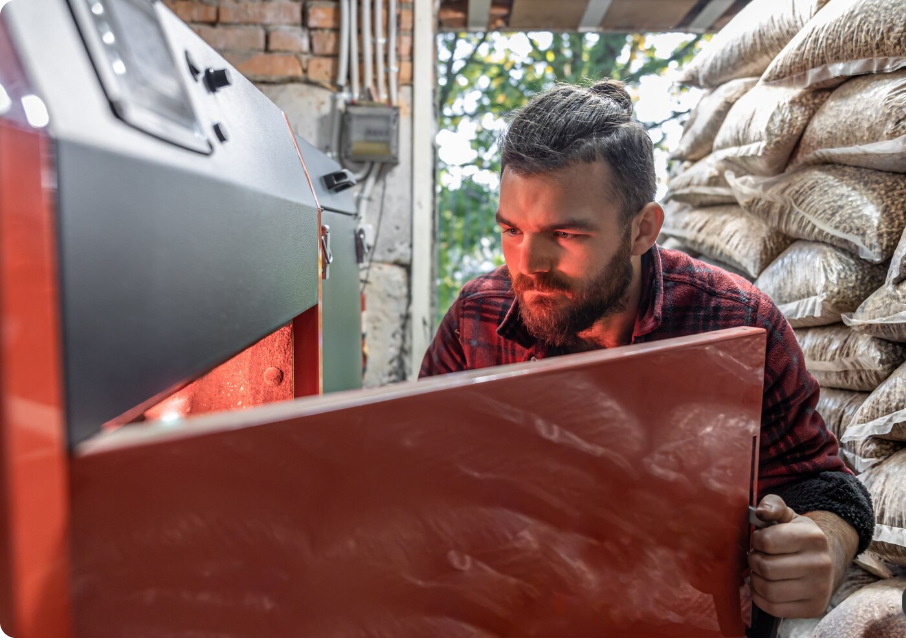
A propane fireplace provides warmth, comfort, and a welcoming atmosphere without the need to store or burn traditional firewood. However, like any gas-powered appliance, it can develop problems that affect its performance, reliability, and safety. When the pilot light goes out, the burner fails to ignite, or the fireplace produces unusual odors, professional propane fireplace repair can help identify the underlying issue and restore proper operation. Whether you own a vented propane fireplace, a vent-free model, or an outdoor propane fireplace, regular inspection and timely repairs are important. Understanding common warning signs can help you recognize when your fireplace needs attention and when to contact a qualified technician. This guide explains common propane fireplace problems, professional repair options, cost considerations, safety precautions, and maintenance practices to help you keep your fireplace in good working condition. What Is Propane Fireplace Repair? Propane fireplace repair involves diagnosing and correcting problems with a fireplace that uses liquefied petroleum gas (LP) as its fuel source. Depending on the appliance, repairs may involve the ignition system, pilot assembly, burner, gas valve, regulator, thermostat, remote control, or venting system. A qualified technician can inspect the fireplace, identify faulty components, check the fuel supply, and verify that the appliance operates according to the manufacturer’s specifications. Common propane fireplace repair services include: The appropriate repair depends on the fireplace model, the symptoms, and the condition of its components. Common Propane Fireplace Problems and Their Solutions Recognizing early warning signs can help prevent a small performance issue from becoming a more serious problem. 1. Propane Fireplace Will Not Light A fireplace that refuses to ignite may have a problem with the ignition system, fuel supply, pilot assembly, or electrical controls. Possible causes include a depleted propane supply, weak batteries in an electronic ignition system, a faulty igniter, or a malfunctioning control component. What to do: Check the owner’s manual for permitted basic checks, such as replacing remote-control batteries. If the fireplace still will not light, arrange a professional inspection rather than repeatedly attempting ignition. Never attempt to light the appliance if you smell gas. 2. Pilot Light Will Not Stay Lit A pilot light that repeatedly goes out is one of the common reasons homeowners request propane fireplace repair. Possible causes include a failing thermocouple, a dirty pilot assembly, insufficient gas pressure, a ventilation issue, or a problem with the gas control system. A technician can test the relevant components and determine whether cleaning, adjustment, or replacement is necessary. Repeated pilot failures should not be ignored because the pilot and its safety controls are important parts of the appliance’s operation. 3. Fireplace Shuts Off Unexpectedly A propane fireplace that starts normally but shuts down after a short time may have a faulty sensor, inconsistent fuel supply, overheating issue, blocked venting, or control-system malfunction. Electronic models may also experience problems with their thermostat, remote receiver, or electrical connections. A professional diagnosis can distinguish between a minor control issue and a condition that requires more extensive repair. 4. Burner Flame Looks Unusual Changes in flame appearance can indicate that the burner needs attention. A flame that looks substantially different from the manufacturer’s normal pattern, produces excessive soot, or causes unusual combustion odors may indicate a dirty burner, incorrect fuel pressure, misplaced decorative logs, or a venting problem. Do not adjust gas pressure or burner components yourself. Stop using the fireplace and arrange an inspection if the flame appears abnormal, especially if soot or unusual odors are present. 5. Fireplace Produces Unusual Odors A propane fireplace should not produce a persistent gas odor. Propane is commonly odorized to help people detect leaks. If you smell gas, treat it as an emergency. Do not light the fireplace, operate electrical switches, or use a phone inside the affected building. Leave immediately, move to a safe location, and contact your propane supplier or emergency services from outside. Do not return until the area has been declared safe. 6. Fireplace Makes Strange Noises Some clicking sounds during ignition or as metal components heat and cool can be normal. However, loud popping, persistent rumbling, unusual whistling, or repeated ignition noises may signal a problem. Potential causes include burner contamination, ignition delays, gas-pressure issues, or damaged components. If the sound is new, persistent, or accompanied by unusual flames or odors, discontinue use and arrange professional service. Types of Propane Fireplace Repair Services Different fireplace designs use different components, so the repair process depends on the specific appliance. Repair service Common warning signs Professional response Ignition repair Fireplace does not ignite Inspect ignition components and controls Pilot assembly repair Pilot will not light or remain lit Evaluate pilot, sensor, and fuel supply Burner service Abnormal flame or soot Inspect burner condition and combustion Gas valve or regulator repair Inconsistent operation or fuel delivery Test gas controls and pressure Electrical control repair Remote or thermostat fails Diagnose batteries, wiring, receiver, or controls Venting inspection Blockage, unusual odors, or combustion concerns Inspect applicable intake and exhaust pathways Seasonal maintenance Dust buildup or declining performance Clean approved areas and inspect key components Repairs involving gas lines, gas valves, regulators, burner adjustments, or internal safety components should be performed by a qualified professional. How Much Does Propane Fireplace Repair Cost? The cost of propane fireplace repair depends on the type of fault, the replacement parts required, the technician’s labor rate, and the complexity of the installation. A minor control issue may be less expensive to address than a damaged gas valve or a problem involving the venting system. Because repair costs vary by location and appliance model, obtain a written estimate before authorizing substantial work. Factors That Influence Repair Costs 1. Type of repair: Cleaning or diagnosing a simple issue may require less labor than replacing a major component. 2. Replacement parts: The price and availability of igniters, sensors, gas valves, and control boards vary by manufacturer. 3. Labor and service fees: Some providers charge a diagnostic fee or minimum service call amount in addition to repair labor. 4. Fireplace accessibility: Difficult-to-access