

Motoring Car: A Complete Guide to Better Driving, Vehicle Care, Performance, and Road Safety
A car is more than just a way to travel from one place to another. For many people, it represents convenience, independence, comfort, and an enjoyable driving experience. Understanding the basics of motoring can help drivers make better decisions when choosing a vehicle, maintaining it, improving performance, and staying safe on the road.
The term motoring car can cover many aspects of car ownership and driving, including vehicle performance, maintenance, comfort, fuel efficiency, technology, safety, and everyday usability. Whether you are a new driver, an experienced motorist, or someone planning to purchase a car, learning more about these areas can help you get greater value from your vehicle.
From regular servicing and tire checks to understanding modern automotive technology, good motoring habits can make a significant difference. A well-maintained car can provide dependable transportation while also helping prevent avoidable problems and unexpected repair costs.
What Makes a Good Motoring Car?
A good car should provide a balance between performance, comfort, safety, reliability, and practicality. Different drivers have different requirements, so the ideal vehicle depends on how and where it will be used.
Someone who mainly drives through a busy city may prioritize compact dimensions, fuel efficiency, and easy parking. A family may need more interior space, comfort, and safety features. Drivers who frequently travel long distances may place greater importance on ride quality, luggage capacity, and highway performance.
Important factors include:
- Reliable engine and mechanical components
- Comfortable seating and interior space
- Effective braking and handling
- Good fuel or energy efficiency
- Modern safety features
- Practical storage capacity
- Easy-to-use technology
- Affordable maintenance requirements
- Suitable performance for everyday driving
The best vehicle is generally one that matches the driver’s lifestyle instead of simply having the most features.
Important Features to Consider When Choosing a Car
Buying a vehicle is a significant decision. Looking beyond appearance and price can help you choose a car that works well for your daily needs.
Engine and Performance
Engine performance affects acceleration, highway driving, towing ability, and overall driving characteristics. However, a larger engine does not automatically mean a better car.
Consider how you normally drive. If most journeys take place in urban areas, smooth low-speed performance and efficiency may be more useful than high horsepower.
Fuel Efficiency
Fuel efficiency is another important consideration. A vehicle that uses less fuel can reduce everyday running costs, particularly for people who drive frequently.
Electric and hybrid vehicles provide additional options for drivers who are interested in alternative powertrains.
Safety Features
Modern vehicles can include a wide range of safety technologies.
Some common features include:
- Anti-lock braking systems
- Electronic stability control
- Airbags
- Rear-view cameras
- Blind-spot monitoring
- Lane-departure warnings
- Automatic emergency braking
- Parking sensors
- Adaptive cruise control
The availability of these features varies between models and trim levels.
Motoring Car Maintenance Essentials
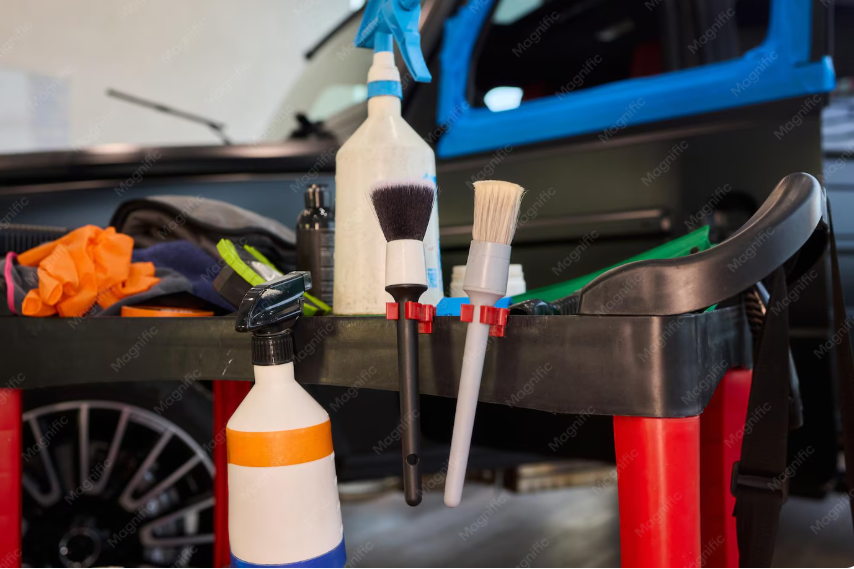
Regular maintenance is one of the most important parts of responsible car ownership. Even a reliable vehicle needs routine attention to remain in good operating condition.
Check Engine Oil
Engine oil helps lubricate internal components and reduce friction. Drivers should follow the vehicle manufacturer’s recommended oil-checking and replacement schedule.
Low or degraded oil can contribute to engine wear, making regular checks important.
Inspect Tires
Tires are directly connected to braking, handling, comfort, and road grip. Check tire pressure regularly and inspect the tread for signs of excessive or uneven wear.
Incorrect tire pressure can affect both handling and efficiency.
Check Brakes
Unusual noises, vibrations, changes in pedal feel, or increased stopping distance can indicate that the braking system requires inspection.
Because brakes are essential safety components, potential problems should not be ignored.
Replace Filters and Fluids
Vehicles contain several important fluids and filters. Depending on the vehicle, these may include:
- Engine oil
- Coolant
- Brake fluid
- Transmission fluid
- Windshield washer fluid
- Engine air filter
- Cabin air filter
Maintenance intervals vary, so the owner’s manual should be used as the primary reference.
Car Maintenance Schedule
Creating a simple maintenance routine can make vehicle ownership easier.
| Maintenance Task | General Purpose | Typical Attention |
|---|---|---|
| Tire pressure check | Supports handling and tire life | Regularly |
| Engine oil check | Protects engine components | Regularly |
| Brake inspection | Supports safe stopping | During servicing or when symptoms appear |
| Fluid inspection | Maintains vehicle systems | Regularly |
| Battery inspection | Supports reliable starting | Periodically |
| Air filter replacement | Supports engine operation | According to manufacturer |
| Professional servicing | Comprehensive inspection | According to manufacturer |
These are general guidelines rather than fixed service intervals. Always follow the manufacturer’s recommendations for your specific vehicle.
How to Improve the Driving Experience
A good driving experience is not only about engine power. Comfort, visibility, road manners, and vehicle setup all contribute to how enjoyable a car feels.
Keep the Interior Organized
A clean and organized interior can make everyday driving more comfortable. Remove unnecessary items from the cabin and keep essential equipment easily accessible.
Adjust Your Driving Position
Correct seat and steering-wheel adjustment can improve comfort and visibility. Your controls should be easy to reach without excessive stretching or movement.
Maintain Clear Visibility
Clean windows, mirrors, headlights, and windshield wipers are important for good visibility.
Replace worn wiper blades when they stop clearing water effectively.
Fuel Efficiency Tips for Everyday Motoring
Fuel consumption can be influenced by driving style, vehicle condition, road conditions, and traffic.
Some practical habits can help improve efficiency:
- Avoid unnecessary rapid acceleration.
- Maintain steady speeds when conditions allow.
- Keep tires correctly inflated.
- Remove unnecessary heavy items from the vehicle.
- Follow recommended maintenance schedules.
- Avoid excessive idling.
- Use climate controls sensibly.
- Plan routes to reduce unnecessary driving.
These habits may seem small, but consistent driving practices can make a difference over time.
Understanding Different Types of Cars

Today’s automotive market includes many different vehicle categories.
Hatchbacks
Hatchbacks are often practical for urban driving because of their compact dimensions and flexible cargo areas.
Sedans
Sedans traditionally provide comfortable passenger seating and a separate trunk. They can be suitable for commuting, family use, and longer journeys.
SUVs
SUVs generally offer a higher driving position and more interior or cargo space. They are available in many sizes, from compact models to large family vehicles.
Electric Cars
Electric vehicles use electric motors and batteries instead of conventional gasoline or diesel engines. They can offer quiet operation and different maintenance requirements compared with traditional vehicles.
Hybrid Cars
Hybrid vehicles combine an internal combustion engine with electric propulsion. Different hybrid systems operate in different ways, so specifications should be checked carefully when comparing models.
| Vehicle Type | Common Advantage | Suitable For |
|---|---|---|
| Hatchback | Compact and practical | City driving |
| Sedan | Comfortable and balanced | Commuting and travel |
| SUV | Space and higher seating position | Families and varied use |
| Electric Car | Electric powertrain | Drivers with suitable charging access |
| Hybrid | Combines engine and electric systems | Mixed driving conditions |
The Role of Technology in Modern Motoring
Automotive technology has changed significantly. Many modern cars now offer digital systems designed to improve convenience, navigation, connectivity, and safety.
Features can include:
- Touchscreen infotainment
- Smartphone connectivity
- Navigation systems
- Digital instrument displays
- Voice controls
- Driver-assistance systems
- Wireless charging
- Connected vehicle services
However, technology should support safe driving rather than create distractions. Drivers should become familiar with vehicle controls before using them while moving.
Road Safety and Responsible Driving
Safe motoring begins with responsible driving behavior. Even advanced safety systems cannot replace attentive driving.
Important habits include:
- Follow posted speed limits.
- Wear seat belts on every journey.
- Maintain a safe following distance.
- Avoid using a phone while driving.
- Never drive under the influence of alcohol or drugs.
- Adjust speed to weather and road conditions.
- Use indicators when changing direction or lanes.
- Stay alert in heavy traffic.
- Keep children properly secured using appropriate restraints.
Defensive driving means anticipating potential hazards instead of reacting only after they appear.
Common Car Problems Drivers Should Not Ignore
Small warning signs can sometimes indicate larger mechanical problems. Recognizing them early may help prevent more expensive repairs.
Watch for:
Unusual Engine Noises
Knocking, grinding, ticking, or other unfamiliar sounds should be investigated, particularly if they appear suddenly or become louder.
Warning Lights
Dashboard warning lights provide important information about vehicle systems. Check the owner’s manual for their meaning and seek professional assistance when appropriate.
Changes in Braking
If the brake pedal feels unusual or the vehicle takes longer to stop, the braking system should be inspected.
Steering Problems
Pulling to one side, unusual vibrations, or changes in steering feel may indicate a problem requiring attention.
Smart Ways to Reduce Car Ownership Costs

Owning a car involves more than the purchase price. Fuel, insurance, servicing, repairs, taxes, tires, and depreciation can all contribute to total ownership costs.
To manage expenses:
- Follow preventive maintenance schedules.
- Compare insurance options.
- Monitor fuel consumption.
- Avoid unnecessary modifications.
- Keep tires properly maintained.
- Address small problems before they become serious.
- Consider total ownership costs when purchasing a vehicle.
A cheaper purchase price does not necessarily mean lower long-term costs. Reliability, efficiency, maintenance, and resale value can all influence the overall expense.
Key Motoring Car Tips to Remember
For everyday drivers, a few simple principles can make vehicle ownership easier:
- Maintain the car according to manufacturer recommendations.
- Check tires and fluids regularly.
- Pay attention to unusual sounds or warning lights.
- Keep the windshield and lights clean.
- Drive smoothly and responsibly.
- Learn the important features of your vehicle.
- Avoid unnecessary distractions.
- Keep emergency equipment appropriate for your driving environment.
- Consider running costs before purchasing a vehicle.
- Never ignore important safety-related problems.
Final Thoughts
Motoring car ownership becomes easier when drivers understand both their vehicle and their responsibilities on the road. From choosing the right type of car to maintaining tires, brakes, fluids, and engine components, regular attention can contribute to a safer and more dependable driving experience.
Modern cars provide impressive levels of comfort, connectivity, efficiency, and driver assistance. However, technology works best when combined with responsible driving habits and proper maintenance.
Whether you use your vehicle for daily commuting, family trips, weekend journeys, or long-distance travel, taking care of it can help protect your investment and improve your experience behind the wheel. A thoughtful approach to maintenance, safety, efficiency, and comfort can make everyday motoring more enjoyable and practical.
Frequently Asked Questions
1. What does motoring car mean?
Motoring car generally refers to topics associated with cars, driving, vehicle ownership, performance, maintenance, safety, and the overall driving experience.
2. How often should a car be serviced?
Service intervals depend on the vehicle, engine, mileage, age, and manufacturer recommendations. The owner’s manual or official service schedule should be used as the primary guide.
3. What are the most important things to check on a car?
Tires, brakes, engine oil, coolant, battery condition, lights, windshield wipers, and dashboard warning indicators are among the important areas to monitor.
4. How can I improve my car’s fuel efficiency?
Maintaining correct tire pressure, avoiding unnecessary acceleration, reducing excessive idling, keeping the vehicle properly serviced, and maintaining steady driving habits can support fuel efficiency.
5. Why is regular car maintenance important?
Regular maintenance helps identify potential problems, supports vehicle reliability, maintains important safety systems, and can help prevent avoidable repair expenses.
Read more: Automobile Sector Jobs: Career Opportunities, Skills, and Growth