
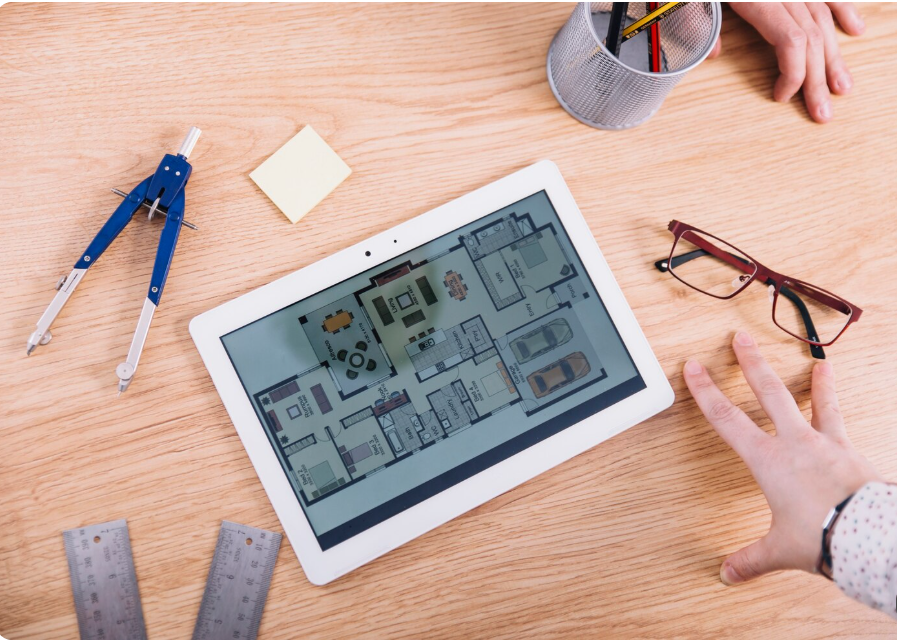
Building a comfortable home on a narrow property requires thoughtful planning, creative architecture, and efficient use of every available square foot. Narrow lot plans are designed for properties with limited frontage, helping homeowners create practical living spaces without needing a wide piece of land. These plans are particularly useful for urban properties, small residential plots, townhouses, and modern compact homes. With the right arrangement, a narrow property can accommodate bedrooms, a kitchen, a living room, bathrooms, storage, and sometimes parking or an outdoor seating area. The secret is to design around the property’s actual dimensions instead of simply shrinking a conventional house plan. Open layouts, strategically positioned stairs, vertical construction, and carefully placed windows can help create a home that feels spacious and inviting. What Are Narrow Lot Plans? Narrow lot plans are house designs created for properties with limited width compared with their depth. Depending on the location, a narrow property might measure approximately 15 to 30 feet wide, although the definition varies by region and building regulations. Because there is less room to arrange spaces side by side, these homes often extend farther into the property or use multiple floors to create additional living space. Common features include: A successful narrow lot plan considers more than room placement. It also accounts for ventilation, structural support, privacy, parking, accessibility, and future household needs. Best Narrow Lot Plan Ideas for Modern Homes 1. Single-Story Narrow Lot Plans Single-story homes are suitable for homeowners who prefer convenient movement between rooms without using stairs. They can work well for couples, small families, retirees, and people who want a straightforward floor plan. A typical design may place the living room near the entrance, followed by a dining area and kitchen. Bedrooms can be positioned farther into the property to create a quieter private zone. The main challenge is fitting everything into one floor without creating long corridors or dark interior rooms. An open layout and well-planned windows can help address these issues. Design tips: 2. Two-Story Narrow Lot Plans Two-story designs are popular because they increase living space without requiring a larger ground-floor footprint. They can be especially useful when a family needs several bedrooms but wants to preserve some outdoor space. A practical arrangement places shared spaces on the ground floor and bedrooms upstairs. The lower floor may contain the living room, kitchen, dining area, bathroom, and utility space. The upper floor can accommodate a main bedroom, additional bedrooms, and a shared bathroom. This arrangement separates social activities from sleeping areas and may improve privacy. The staircase needs special attention because it can occupy a significant portion of a narrow floor. A compact stair layout with storage underneath can help make better use of the available area. 3. Open-Concept Narrow Lot Plans Open-concept layouts connect the kitchen, dining area, and living room rather than separating them into several small rooms. This can make a narrow house feel more spacious and allow daylight to travel farther into the interior. Furniture can help define individual zones without creating physical barriers. For example, a dining table can separate the kitchen from the living area while maintaining an open view through the space. This layout works well for families who enjoy spending time together and homeowners who entertain guests. However, consider cooking odors, noise, ventilation, and storage before removing partitions. Some walls may also serve structural purposes, so changes should be reviewed by a qualified professional. 4. Narrow Lot Plans With a Courtyard A courtyard can introduce natural light and create a private outdoor space within a narrow property. It may be positioned near the living room, between bedroom areas, or beside the staircase. Windows or glass doors facing the courtyard can make interior spaces feel more connected to the outdoors. Plants, seating, and simple landscaping can add visual interest without requiring a large garden. Courtyard designs are particularly useful when neighboring buildings limit side windows. However, the courtyard must be planned carefully to preserve usable floor area and provide suitable drainage, privacy, and weather protection. 5. Narrow Lot Plans With a Rooftop Terrace A rooftop terrace can provide outdoor living space when a traditional backyard is not available. Depending on the design, it may accommodate outdoor seating, container plants, or a small relaxation area. A terrace can also improve the home’s appearance and provide an additional space for family activities. Before including one, consider structural loading, waterproofing, drainage, safe access, and local height restrictions. These requirements should be addressed during the design stage rather than after construction. How to Arrange Rooms in a Narrow House Room placement can determine whether a narrow house feels comfortable or cramped. Each area should have a clear purpose, with enough room for furniture and movement. Living Room and Dining Area The living room should provide comfortable seating without blocking the main walkway. Compact sofas, wall-mounted televisions, and simple furniture arrangements can help preserve open floor space. A connected dining area may use a small rectangular table, a round table, or built-in seating. Choose furniture according to the number of people who will regularly use the home. Kitchen Layout A single-wall kitchen or galley kitchen can be an effective choice for a narrow house. These arrangements make use of limited width while keeping cooking and preparation areas organized. Tall cabinets can provide extra storage, while under-cabinet lighting improves visibility on work surfaces. Position appliances carefully and allow appropriate working clearances. Bedroom Placement Bedrooms should be arranged to provide privacy and comfortable access. In a multi-story home, placing bedrooms on the upper floor can separate sleeping areas from everyday activities. For single-story designs, bedrooms may be positioned toward the rear of the property or along a quieter side of the layout. Built-in wardrobes, storage beds, and appropriately sized furniture can help prevent clutter. Bathroom and Utility Areas Bathrooms and laundry spaces should be compact but functional. Wall-mounted storage, well-planned door swings, and efficient fixtures can help make these rooms easier to use. Where possible, placing bathrooms above or near one

Smart Pad: Features, Benefits, and Uses of Modern Digital Technology
Technology continues to change how people learn, work, communicate, and organize everyday activities. One example is the smart pad, a term commonly used for digital notepads, smart writing devices, and tablet-style electronic products. Depending on the model, a smart pad may help users take handwritten notes, create digital documents, access educational resources, browse the internet, or manage daily tasks. Smartpads can be useful for students, professionals, teachers, business owners, and people who want a more organized digital workspace. Some devices allow users to write on paper and transfer their notes to a connected device, while others provide a touchscreen for digital writing and productivity applications. For example, Wacom’s Bamboo Slate and Bamboo Folio product range combines paper-based writing with digital note capture and compatible software. Choosing the right smartpad depends on how you plan to use it. Understanding its features, benefits, limitations, and available options can help you make a practical decision. What Is a SmartPad and How Does It Work? A smartpad is an electronic device or connected writing system designed to make note-taking, information management, or digital interaction easier. The exact features depend on the product. Some smartpads resemble tablets, while others combine a traditional notebook with electronic components that capture handwriting. Many smartpad systems use one or more of the following technologies: A paper-based smartpad may use a compatible pen and an electronic sensor to capture handwriting as it is written. A tablet-style smartpad may instead record writing directly on its screen. These differences matter because not every product marketed as a smartpad offers the same functions. Buyers should review the exact model specifications before making a purchase. Key Features to Look for in a SmartPad The best features depend on whether you need a device for studying, office work, drawing, or everyday organization. 1. Digital Note-Taking and Handwriting Digital note-taking is one of the most useful applications of smartpad technology. Users can record meeting notes, classroom information, personal reminders, and project ideas. Depending on the device, handwritten notes may be saved as digital images or converted into editable text through compatible software. This makes it easier to keep information organized and retrieve it later. Students can use digital notes to summarize lessons, while professionals can record meeting discussions and maintain project records. 2. Touchscreen and Digital Pen Support A touchscreen makes it easier to interact with digital content. When a smartpad supports a compatible digital pen, users may be able to write naturally, annotate documents, draw diagrams, and highlight important information. Before choosing a device, consider pen accuracy, writing comfort, pressure sensitivity, palm rejection, and whether the pen requires charging or batteries. These features are particularly important for people who spend several hours writing or drawing. 3. Wireless Connectivity and Device Compatibility Some smartpads connect to smartphones, computers, or tablets through Bluetooth, USB, or other supported connections. This can make transferring notes and accessing documents more convenient. However, compatibility varies by product. A smartpad may require a particular application, operating system, account, or connection method. Always check whether the device works with your existing equipment before buying it. 4. Storage and File Management Storage is another important consideration. A smartpad may save files internally, synchronize them with an application, or transfer them to a connected computer or mobile device. Good file management helps users organize information by subject, project, date, or category. Search functions and cloud synchronization, when supported, can make saved information easier to find. Users who frequently work with large documents or drawings should pay attention to storage capacity and export options. Benefits of Using a SmartPad for Everyday Tasks A smartpad can improve everyday productivity when its features match your routine. Better Organization Keeping notes, reminders, and documents in a structured digital system can reduce the need to search through multiple notebooks or loose sheets of paper. Users can create separate categories for work, education, personal projects, and important appointments. Devices with search and tagging functions may make information retrieval even easier. Convenient Access to Information A connected smartpad can help users access saved notes and documents across supported devices. This is particularly useful for people who move between home, school, and the workplace. Cloud synchronization can provide additional convenience, although it may require an internet connection and an account. Improved Study and Learning Routines Students can use smartpads to write notes, solve practice questions, create diagrams, and review study materials. Some products designed specifically for education also provide learning applications, practice tests, or progress-tracking features. A digital study system can help students arrange material by subject and maintain a more consistent revision routine. More Efficient Workplace Tasks Professionals can use smartpads for meeting notes, brainstorming sessions, document annotations, planning, and task management. For example, a project manager might organize action items by meeting, while a designer might use a compatible pen to sketch early concepts. Flexible Digital Workflows Some smartpads preserve the experience of writing on paper while making digital storage possible. Others function more like traditional tablets, offering applications and touchscreen interaction. This variety allows users to select a workflow that feels natural instead of changing every part of their existing routine. SmartPad Uses for Students, Professionals, and Businesses Different users need different capabilities from a smartpad. The following table compares common applications. User type Common uses Features to prioritize Students Class notes, revision, diagrams, assignments Comfortable writing, organization, document export Teachers Lesson planning, annotations, classroom materials Easy sharing, compatible applications, clear display Office professionals Meetings, schedules, project notes Searchable files, synchronization, battery life Designers Sketching, brainstorming, visual planning Pen precision, pressure sensitivity, screen quality Business owners Planning, client notes, presentations Portability, connectivity, file management Everyday users Personal reminders, lists, journaling Simple controls, affordability, ease of use SmartPad for Education Students can use a smartpad to create organized notes and revise lessons more efficiently. Digital writing may be especially helpful for subjects that involve equations, diagrams, charts, and handwritten explanations. A suitable device can also help teachers distribute learning materials or review digital assignments. However, educational applications and assessment features
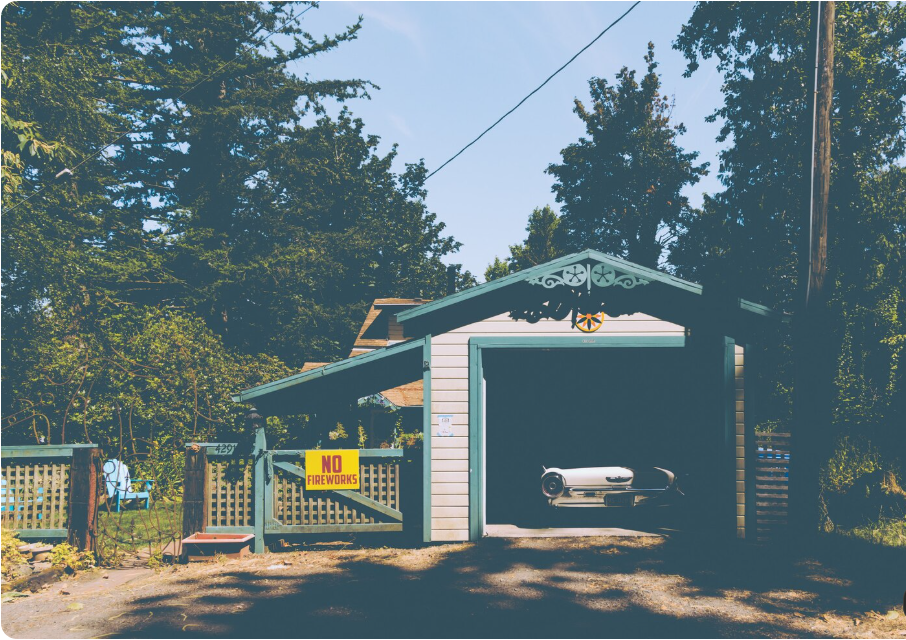
Storage Shed Tiny Home Ideas for Small and Affordable Living
A storage shed tiny home is a compact living space created by converting a suitable shed into a comfortable, functional home. This approach appeals to people who want to make better use of limited space, create a private guest area, establish a backyard studio, or explore a smaller lifestyle. With thoughtful planning, a shed-style structure can become an attractive space with a bedroom, kitchenette, bathroom, and living area. However, turning a storage shed into a home requires more than adding furniture and decorating the interior. The structure must be suitable for residential use, with appropriate insulation, ventilation, electrical systems, plumbing, and weather protection. Local building codes and zoning rules may also determine whether the conversion is permitted. Whether you are considering a prefabricated shed, a purpose-built tiny home, or an existing backyard structure, understanding the design possibilities and practical requirements can help you make informed decisions. What Is a Storage Shed Tiny Home? A storage shed tiny home is a small residential-style structure based on a shed design or created by converting an existing shed into usable living space. Unlike a traditional storage building, a residential shed conversion must address everyday needs such as sleeping, cooking, sanitation, temperature control, and safe access. Some shed-style tiny homes are built from the beginning for residential use. Others begin as garden sheds or utility buildings that require substantial improvements before they can be occupied. Common features may include: The final layout depends on the structure’s dimensions, the number of occupants, and whether the building is intended for occasional use or permanent residence. Benefits of a Storage Shed Tiny Home A well-planned shed-style home can offer several advantages, particularly for people who value simplicity and efficient use of space. 1. Efficient Use of Space Small structures encourage careful planning. Instead of adding unnecessary rooms, homeowners can focus on the features they use every day. An open-plan layout, built-in storage, and multifunctional furniture can make a compact interior feel more comfortable. Wall-mounted shelves and under-bed drawers also help reduce clutter. 2. Flexible Design Options A shed-style structure can be designed for several purposes. Depending on local regulations and construction standards, it may serve as a backyard guest space, creative studio, hobby room, or independent small home. A flexible layout can also allow the space to change over time. For example, a work area could later become a guest sleeping area. 3. Potentially Lower Construction Expenses A small building may require fewer materials than a larger home. However, the actual savings depend on the condition of the existing structure, the required upgrades, labor costs, and utility connections. An ordinary storage shed may not have the foundation, framing, insulation, or weatherproofing needed for residential use. These improvements can significantly affect the total cost. 4. A Compact Backyard Living Space A shed-style tiny home can provide a separate area away from the main house. It may be useful for guests, hobbies, remote work, or other activities that benefit from privacy. Before planning an independent living space, verify whether local rules permit residential occupancy on the property. Popular Storage Shed Tiny Home Designs Choosing a design that fits your property and intended use is an important first step. Modern Minimalist Shed Home A modern shed home typically features a simple exterior, clean lines, large windows, and an open interior. Neutral colors and streamlined furniture can help create a bright, uncluttered atmosphere. This design works particularly well when the goal is to make a small space feel open without adding unnecessary partitions. Rustic Wooden Shed Home A rustic design uses natural wood finishes, warm lighting, and simple decorative details. It can create a welcoming atmosphere for a garden retreat or countryside cabin. Choose exterior materials that suit the local climate and provide suitable protection against moisture, pests, and weathering. Studio-Style Shed Tiny Home A studio-style layout combines the living, dining, and kitchen areas in one open space. A separate bedroom may occupy one end of the structure, while sliding doors or compact partitions help preserve privacy. This approach is useful when the building’s footprint is limited. Shed Home With a Sleeping Loft A loft can provide additional sleeping or storage space without expanding the main floor area. However, the design must account for safe access, sufficient headroom, ventilation, and emergency escape provisions. A loft should not automatically be considered a legal bedroom. Local codes determine which requirements must be met. Shed Home With a Covered Porch A small porch can extend the usable space outdoors. It may provide room for two chairs, a small table, or plants. A covered entrance can also offer protection from rain and sun, while helping the structure look more like a small cottage than a utility building. Planning the Interior Layout A functional floor plan is essential when converting a storage shed into a tiny home. Every area should have a clear purpose, and essential facilities should be easy to reach. Create a Comfortable Living Area Use compact seating, foldable tables, and furniture with built-in storage. Avoid oversized pieces that block windows, doors, or walking paths. An open living area can make the structure feel larger. If the home has limited natural light, choose a light interior palette and plan suitable lighting throughout the space. Design a Practical Kitchenette A kitchenette may include a small sink, countertop, cabinets, refrigerator, and approved cooking appliances. The layout should provide enough workspace for preparing everyday meals. Consider ventilation, electrical capacity, plumbing access, and safe clearances around appliances. If a full kitchen is planned, make sure the structure and local approvals support the installation. Include a Private Sleeping Area A separate bedroom can make the home more comfortable for longer stays. Choose a bed that fits the room without restricting movement. Built-in wardrobes, wall hooks, and under-bed storage can help keep clothing and personal items organized. Plan the Bathroom Carefully A residential bathroom requires appropriate plumbing, waterproofing, ventilation, and wastewater arrangements. A compact shower can help conserve space, but fixtures must remain practical and accessible. If connecting to

Collision Estimator Jobs: Complete Career Guide to Duties, Skills, Qualifications, Salary, and Career Opportunities
Collision estimator jobs are an important part of the automotive repair industry. Collision estimators inspect vehicles after accidents, identify visible and potential damage, prepare repair estimates, communicate with customers and insurance companies, and help coordinate the repair process. The position combines automotive knowledge with customer service, estimating, documentation, and problem-solving. Current job postings commonly seek experience with collision repair, estimating software, repair procedures, and strong organizational and communication skills. What Does a Collision Estimator Do? A collision estimator evaluates damaged vehicles and develops a detailed plan for repairing them. The estimator may work with customers, insurance adjusters, technicians, parts suppliers, and management throughout the repair process. Key Responsibilities Collision estimators essentially act as a connection between the customer, insurance company, and repair facility. Why Are Collision Estimator Jobs Important? An accurate estimate is one of the foundations of a successful collision repair. Before technicians can complete many repairs, the shop needs a clear understanding of the damage, required parts, labor, and repair procedures. A skilled estimator helps ensure that: This combination of technical and customer-facing responsibilities makes the position important within a collision center. Skills Needed for Collision Estimator Jobs Successful estimators need both automotive knowledge and strong interpersonal skills. 1. Automotive Repair Knowledge An estimator should understand vehicle construction, body repair, parts replacement, refinishing, and basic repair procedures. 2. Damage Assessment Estimators need to recognize collision damage and determine which components may require repair, replacement, or further inspection. 3. Estimating Software Many employers expect candidates to have experience with industry estimating platforms such as CCC ONE, Mitchell, or Audatex. 4. Communication Estimators regularly explain repair plans and costs to customers while communicating with insurers and repair teams. 5. Organization Managing several repair orders requires strong time management, documentation, and attention to detail. 6. Problem-Solving Every accident is different. Estimators must evaluate changing repair requirements and update estimates when additional damage is discovered. Collision Estimator Job Requirements Requirements vary between employers and locations. Some entry-level positions may accept candidates with basic automotive knowledge and training, while experienced roles can require previous estimating experience. Qualification or Skill Why It Matters Automotive knowledge Helps evaluate vehicle damage Estimating software Used to prepare repair estimates Communication Helps with customers and insurers Attention to detail Improves estimate accuracy Computer skills Supports documentation and claims I-CAR training Can strengthen industry knowledge Collision repair experience Provides practical understanding Current postings show that employers may request high school education, previous collision estimating experience, estimating software knowledge, and willingness to complete I-CAR training. Requirements vary by employer. Where Do Collision Estimators Work? Collision estimators can find opportunities in several areas of the automotive industry. Common workplaces include: The work environment can include both office responsibilities and physical vehicle inspections. Collision Estimator vs. Auto Body Technician Although these jobs work closely together, their primary responsibilities are different. A collision estimator evaluates damage, creates repair estimates, communicates with customers and insurers, and helps coordinate the repair. An auto body technician performs the physical repair work, which may include removing damaged components, repairing body panels, replacing parts, and restoring the vehicle. Both roles require knowledge of collision repair, but estimators generally spend more time on assessment, documentation, communication, and planning. How to Start a Career as a Collision Estimator A good starting point is to develop a strong understanding of automotive collision repair. Build Automotive Knowledge Learning about vehicle construction, body repair, parts, and repair procedures provides a strong foundation. Learn Estimating Software Experience with platforms such as CCC ONE, Mitchell, or Audatex can make your resume more competitive. Consider Industry Training Collision repair education and I-CAR training can help develop technical knowledge and demonstrate commitment to the field. Gain Practical Experience Experience in a body shop, dealership, service department, or related automotive position can help you understand the repair process. Career Growth Opportunities Collision estimating can lead to additional opportunities within the automotive repair industry. With experience, professionals may progress toward roles such as: Some employers also provide training and certification opportunities and promote experienced employees into management positions. How to Find the Best Collision Estimator Jobs When searching for opportunities, do not limit your search to one job title. Related titles may include: When preparing your resume, emphasize automotive repair knowledge, estimating software, customer service, insurance claim experience, attention to detail, and communication skills. Final Thoughts Collision estimator jobs offer an interesting career path for people who enjoy automobiles but also want a role involving customers, technology, documentation, and problem-solving. The strongest candidates combine automotive repair knowledge with excellent communication and organizational skills. Experience with estimating software and industry training can further improve career opportunities. As vehicles and collision repair processes become increasingly complex, skilled estimators remain an important part of the repair process. With experience, the role can also provide a pathway toward senior estimating and collision-center management positions. FAQs About Collision Estimator Jobs 1. What does a collision estimator do? A collision estimator inspects damaged vehicles, determines necessary repairs, prepares cost estimates, communicates with customers and insurance companies, and helps coordinate the repair process. 2. What skills are needed for collision estimator jobs? Important skills include automotive knowledge, damage assessment, estimating software experience, communication, organization, customer service, and problem-solving. 3. Do collision estimators need certification? Certification requirements vary by employer and location. I-CAR training or other industry education can improve knowledge and may strengthen a candidate’s qualifications. 4. What software do collision estimators use? Common estimating platforms include CCC ONE, Mitchell, and Audatex. Employers may specify the software experience they require. 5. Can a collision estimator become a manager? Yes. Experienced estimators can move into senior estimator, assistant manager, body shop manager, or collision center management positions depending on their skills and employer opportunities. Read more:Dealerships Hiring: Find the Right Automotive Career Opportunities

Dealerships Hiring: Find the Right Automotive Career Opportunities
The automotive industry continues to offer a wide range of career opportunities for people with different skills, education levels, and experience. From sales consultants and service advisors to technicians, parts specialists, customer service representatives, and managers, dealerships need employees to keep their daily operations running smoothly. When dealerships are hiring, candidates can find opportunities in both customer-facing and technical positions. Current automotive job listings in India include sales, service, parts, telecalling, customer support, workshop, and management roles. Whether you are a fresher searching for your first job or an experienced automotive professional looking for better career growth, understanding dealership careers can help you choose the right opportunity. Why Automotive Dealerships Hire New Employees Car and motorcycle dealerships operate across several departments. Each department requires employees with specific skills. Common reasons dealerships recruit include: Some dealership groups specifically recruit both fresh graduates and experienced automotive workers. This makes dealerships a practical career option for candidates at different stages of professional development. Popular Dealership Jobs Available Dealership employment is not limited to selling cars. A modern dealership can include sales, service, finance, customer relations, parts, administration, marketing, and technical departments. 1. Sales Consultant Sales consultants communicate with customers, explain vehicle features, arrange test drives, answer questions, and help complete purchases. Good communication, confidence, product knowledge, and customer-service skills are important for this role. 2. Service Advisor Service advisors work with customers who bring their vehicles for maintenance or repairs. They understand customer concerns, coordinate with technicians, explain service requirements, and help manage the service process. 3. Automotive Technician Technicians inspect vehicles, identify mechanical or electrical problems, perform maintenance, and complete repairs. Technical training, practical experience, and knowledge of modern vehicle systems can be valuable. 4. Parts Advisor Parts employees help identify and supply the correct components needed for vehicle repairs and maintenance. Organization and product knowledge are especially useful in this position. 5. Customer Relationship Executive Customer relationship professionals communicate with customers before and after sales or service visits. They may handle follow-ups, feedback, appointments, and customer satisfaction activities. 6. Dealership Manager Managers oversee dealership departments, employees, customer experience, sales performance, service operations, and business targets. Experienced candidates can progress into supervisory and management positions as they develop industry knowledge. Dealership Jobs for Freshers A dealership can be a good starting point for someone entering the automotive industry. Some dealership employers specifically advertise opportunities for fresh graduates, students, and entry-level candidates. Royal Enfield, for example, lists dealership opportunities for freshers and graduates across sales, customer support, service, and other functions. Freshers can consider roles such as: Starting in an entry-level position can provide valuable experience with customers, vehicle products, dealership systems, and automotive business operations. Skills Dealerships Look For Different positions require different qualifications, but several skills are useful across the industry. Dealership Role Important Skills Sales Consultant Communication, negotiation, product knowledge Service Advisor Customer service, technical understanding, organization Technician Mechanical skills, diagnostics, problem-solving Parts Advisor Product knowledge, inventory management Customer Support Communication, patience, follow-up Manager Leadership, sales management, business knowledge Strong communication is particularly useful because many dealership positions involve regular interaction with customers. Technical positions may require specialized education or experience. For example, some dealership service-advisor roles request mechanical diplomas and previous automotive experience. How to Find Dealerships Hiring Searching strategically can help you discover more suitable opportunities. Search Online Job Platforms Major employment websites regularly list automobile dealership vacancies. Current listings include positions such as sales executives, service advisors, sales consultants, technicians, parts advisors, and customer-support roles. Use specific search terms such as: Check Dealership Career Pages Many automotive companies and dealer groups maintain career pages where candidates can submit resumes directly. Applying directly can be useful when you already know the dealership or automotive brand where you want to work. Build a Professional Resume Your resume should quickly show your strongest qualifications. Include: Keep the resume clear and easy to read. How to Stand Out During a Dealership Interview Competition can be strong for attractive dealership positions. Preparation can improve your chances. Before an interview, research the dealership, understand its products, and prepare examples that demonstrate your communication or technical abilities. For sales positions, be prepared to discuss how you would approach customers and understand their requirements. For service or technician positions, be ready to explain your technical experience and problem-solving approach. A professional appearance, positive attitude, punctuality, and confidence can also create a strong first impression. Career Growth in Dealerships One of the biggest advantages of dealership careers is the possibility of progression. An employee might begin as a junior sales executive and later become a senior sales consultant, team leader, sales manager, or dealership manager. Similarly, technical employees can progress from technician roles into senior technician, workshop supervisor, service manager, or other leadership positions. The automotive sector also continues to develop around electric vehicles, digital sales, connected technology, customer relationship systems, and online vehicle purchasing. These changes create opportunities for employees who continue developing their skills. Tips for Finding the Best Dealership Job Use a focused approach rather than applying randomly to every vacancy. Key Tips Automotive job listings currently show opportunities across sales, service, customer support, parts, technical, and management functions, demonstrating the variety available within dealership careers. Frequently Asked Questions What jobs are commonly available at dealerships? Common positions include sales consultants, service advisors, technicians, parts advisors, customer relationship executives, telecallers, finance-related employees, and dealership managers. Can freshers get dealership jobs? Yes. Some dealerships recruit fresh graduates and entry-level candidates for sales, customer support, service, and other positions. What skills are important for dealership sales jobs? Communication, customer service, confidence, product knowledge, negotiation, follow-up, and the ability to understand customer requirements are important. Do dealership jobs require automotive experience? Not always. Entry-level positions may accept freshers, while technical and senior positions commonly require relevant education or previous industry experience. How can I find dealerships hiring in my area? Search major job platforms using terms such as “car dealership jobs,” “automotive dealership jobs,” or “dealership sales jobs.” You can also check individual dealership career

Best auto touch up paint: A Complete Guide to Choosing the Right Color, Finish, and Repair Method
Small scratches, stone chips, and paint marks can make an otherwise clean vehicle look worn. The best auto touchup paint can help repair minor damage, restore the appearance of your car, and protect exposed areas from further deterioration. However, choosing the right touch-up paint is about more than picking a color that looks similar. The vehicle’s exact paint code, type of damage, paint finish, application method, and whether primer or clear coat is required all affect the final result. What Makes Auto Touch Up Paint the Best Choice? The best touch-up paint should match your vehicle as closely as possible and be appropriate for the size and depth of the damage. Key Benefits The most important step is finding the manufacturer’s exact paint code rather than relying only on a color name such as “black,” “silver,” or “red.” Similar color names can represent different factory formulas. How to Find the Correct Car Paint Code Before buying touch-up paint, locate your vehicle’s paint code. Depending on the manufacturer, it may be found on a label or identification plate in areas such as the door jamb, engine compartment, trunk, or under the hood. The paint code is usually a combination of letters and numbers. Once you have the code, use it when purchasing touch-up paint. This is particularly important for metallic, pearl, and other specialty finishes where a small color difference can become noticeable. Why Paint Code Matters A generic “white” or “silver” touch-up may look close in the bottle but noticeably different after it dries. Exact-code paint gives you a much better starting point for achieving a visually consistent repair. Types of Auto Touch Up Paint Different types of damage require different application methods. Touch-Up Paint Pens Paint pens are convenient for very small chips, scratches, and door-edge marks. Their fine applicators provide better control when only a tiny amount of paint is needed. They are particularly useful for quick DIY repairs. Brush-On Touch-Up Paint Small bottles with brushes provide more paint than pens and can work well for slightly larger chips. The key is applying thin layers instead of filling the damaged area with one thick application. Aerosol Touch-Up Paint Aerosols are better suited to larger scratches, scuffs, bumpers, mirror housings, or localized panel repairs. They provide broader coverage than a small brush or pen. For larger repairs, proper preparation, masking, and thin coats become especially important. Choose Paint According to the Damage Not every scratch needs the same repair. Type of Damage Recommended Approach Tiny stone chip Touch-up pen or fine brush Small paint chip Brush-on paint + clear coat Deep scratch to bare metal Primer + color + clear coat Larger scuff Aerosol or localized refinishing Clear-coat-only scratch Polishing may be sufficient Large damaged panel Professional refinishing may be better If a scratch only affects the clear coat, repainting may be unnecessary. Deeper damage that exposes metal or plastic generally requires a more complete repair process. Do You Need Primer? Primer is not necessary for every touch-up. If bare metal or bare plastic is exposed, primer can improve adhesion and provide protection before the color coat is applied. If the original primer remains intact, you may not need to add another primer layer. Use Primer When: Apply primer carefully and avoid creating a thick raised area around a small chip. Why Clear Coat Matters Clear coat provides the glossy protective layer over the color coat. It can improve durability, protect against environmental exposure, and help metallic and pearl finishes achieve their intended appearance. For many modern vehicles, a color-only repair can look dull compared with the surrounding factory finish. Adding the appropriate clear coat can produce a more consistent appearance. A Typical Repair System Clean → Primer if required → Color coat → Clear coat → Cure → Light polish if appropriate The exact products and curing times should always follow the manufacturer’s instructions. Best Paint for Metallic and Pearl Cars Metallic and pearl finishes can be more difficult to match than simple solid colors. Metallic paint contains reflective particles, while pearl finishes use special pigments that change the appearance depending on lighting and viewing angle. Application technique can therefore affect how the repaired area looks. For these finishes, an exact factory-code match is particularly important. How to Apply Auto Touch Up Paint Proper preparation can make a bigger difference than simply buying a premium product. Step 1: Clean the Area Remove dirt, wax, grease, and other contaminants. The surface needs to be clean before applying new paint. Step 2: Inspect the Damage Determine whether the scratch has affected only the clear coat, the color layer, primer, or bare metal. Step 3: Apply Primer if Needed If the substrate is exposed, apply a suitable automotive primer according to the product instructions. Step 4: Apply Thin Color Coats Build the color gradually rather than applying one heavy layer. Thin coats can reduce runs and uneven coverage. Step 5: Add Clear Coat When the paint system requires it, apply the appropriate clear coat after the color layer has reached the manufacturer’s recommended stage. Step 6: Allow Proper Curing Do not rush the final polishing or washing process. Give the repair sufficient time to cure according to the product instructions. Common Mistakes to Avoid Even good touch-up paint can produce poor results when applied incorrectly. Avoid: Surface preparation and correct paint selection are two of the biggest factors in successful DIY touch-ups. When Should You Use Professional Repair? Touch-up paint is excellent for small localized damage, but it is not the ideal solution for every situation. Consider professional refinishing when: A professional can blend and refinish larger areas more effectively than a small touch-up product. Final Thoughts The best auto touch up paint is not necessarily the most expensive product. The right choice depends on your vehicle’s exact paint code, the size and depth of the damage, the finish type, and the application method. For tiny chips, a quality color-matched pen can be convenient. Larger repairs may require an aerosol

Motorsports Jobs: Career Opportunities, Skills, Qualifications, and Tips for Building a Successful Racing Career
For people who are passionate about racing, cars, engineering, technology, and high-performance vehicles, motorsports jobs can offer an exciting and challenging career path. While many people associate motorsports with professional drivers, the industry depends on a much larger team of engineers, mechanics, technicians, designers, data specialists, marketing professionals, logistics experts, and business professionals. Modern motorsport combines mechanical engineering, software, data analysis, manufacturing, aerodynamics, communication, event management, and business operations. This means there are career opportunities for people with many different educational backgrounds and skill sets. Whether you dream of working trackside, designing racing components, analyzing vehicle data, maintaining race cars, managing a racing team, or supporting events behind the scenes, understanding the available career paths can help you plan your next step. What Are Motorsports Jobs? Motorsports jobs include professional positions that support racing teams, drivers, circuits, manufacturers, suppliers, events, and related businesses. Some positions are directly connected to race vehicles, while others focus on the commercial and operational side of the industry. Motorsport teams commonly require professionals in engineering, manufacturing, race operations, technology, marketing, business support, logistics, and other areas. (Motor Racing Industry) Key motorsport career areas include: This wide range of positions means you do not necessarily need to be a professional driver to build a career in motorsport. Why Choose a Career in Motorsports? Motorsport can be an attractive career choice for people who enjoy fast-paced environments, technical challenges, teamwork, and continuous improvement. The industry also provides opportunities to work with advanced vehicle technologies and performance systems. Modern racing relies heavily on engineering, data, simulation, manufacturing, and specialized technical knowledge. (Graduate America) Some advantages of a motorsport career include: Motorsport can be demanding, but for people who genuinely enjoy the industry, the combination of technology, competition, and teamwork can be highly rewarding. Popular Types of Motorsports Jobs There are many different career paths available. Your ideal role will depend on your interests, education, practical abilities, and career goals. Motorsport Engineer Motorsport engineers work on vehicle performance, design, testing, setup, and development. Depending on their specialization, they may focus on mechanical systems, vehicle dynamics, performance, electronics, or other areas. Engineering roles can be based at a team’s factory or at the racetrack. Race Engineer A race engineer works closely with drivers and technical team members to optimize vehicle performance during racing events. The role can involve vehicle setup, performance analysis, communication, and decision-making. Race Mechanic Race mechanics are responsible for preparing, maintaining, inspecting, and repairing racing vehicles. Their work can involve extremely tight deadlines, particularly during race weekends. Data Analyst Modern motorsport generates large amounts of data. Data professionals analyze information from vehicle systems, testing, and race sessions to help teams understand performance and make informed decisions. Aerodynamicist Aerodynamicists study airflow around racing vehicles and develop solutions intended to improve aerodynamic performance. Their work can involve simulation, computational fluid dynamics, wind-tunnel testing, and physical testing. (Motorsport Jobs) Fabrication and Manufacturing Technician Fabricators and manufacturing specialists create and modify components used on racing vehicles. Their work can include machining, welding, composites, assembly, and other production processes. Motorsport Role Main Responsibility Useful Skills Race Engineer Vehicle performance and race support Engineering, analysis, communication Race Mechanic Vehicle maintenance and repair Mechanical skills, accuracy Data Analyst Performance and telemetry analysis Data analysis, software Aerodynamicist Airflow and aerodynamic development CFD, engineering, mathematics Fabricator Component manufacturing Welding, machining, fabrication Team Manager Team and operational coordination Leadership, organization Trackside vs. Factory Motorsport Careers One important decision is whether you want a trackside role or a factory-based position. Trackside professionals travel with racing teams and work directly at events. Factory professionals generally work from team headquarters, where vehicles and components are designed, tested, manufactured, and prepared. Trackside roles Examples include: Factory-based roles Examples include: Both environments can provide valuable career experience, but they have different lifestyles. Trackside work may involve significant travel and irregular schedules, while factory positions can provide a more predictable working environment. (Motorsport NDA) Qualifications for Motorsports Jobs The qualifications required depend heavily on the position. Engineering and technical roles often require relevant education or technical training. Other positions, particularly marketing, communications, logistics, administration, and business roles, may require qualifications related to their specific fields. Relevant educational backgrounds can include: Some roles may also value technical certifications, practical training, apprenticeships, or industry-specific experience. Skills That Can Help You Enter Motorsport Education is important, but practical skills and real-world experience can make a major difference. Technical Skills For technical positions, employers may value knowledge of: Soft Skills Motorsport is highly collaborative. Professionals need to communicate effectively and work under pressure. Important soft skills include: The ability to stay calm and accurate when working under time pressure can be particularly valuable in racing environments. Why Hands-On Experience Matters Motorsport employers often value candidates who can demonstrate that they have applied their knowledge in real situations. Practical experience can come through internships, apprenticeships, university racing teams, karting teams, grassroots motorsport, volunteering, or related automotive work. (Motorsport NDA) For students, participating in engineering competitions and student racing projects can provide valuable opportunities to work on vehicle design, fabrication, testing, team management, and race operations. Useful ways to gain experience include: Even experience outside professional motorsport can be useful when it develops transferable skills. Motorsport Jobs for Beginners You do not always need years of professional racing experience to start your career. Entry-level opportunities can include trainee technician, junior mechanic, graduate engineer, manufacturing assistant, data assistant, operations assistant, marketing assistant, and other support roles. The important thing is to identify a position that matches your current skills while providing room for development. Beginners should focus on: Starting in a related automotive or engineering role can also help you develop experience that later transfers into motorsport. How to Find Motorsports Jobs A focused job search can help you identify opportunities that match your interests. Instead of searching only for “motorsports jobs,” consider searching for specific job titles. Useful search terms include: Current motorsport recruitment platforms show opportunities across engineering, manufacturing, race operations, commercial roles, technology, marketing, business support,

Car Dealership Jobs Near Me
Car Dealership Jobs Near Me: A Complete Guide to Finding the Best Automotive Careers, Building Skills, Earning More, and Growing in the Dealership Industry The automotive industry offers a wide range of career opportunities for people with different skills, educational backgrounds, and professional goals. From sales and customer service to vehicle maintenance, finance, administration, and management, dealerships need employees in many different roles. If you are searching for car dealership jobs near me, understanding the available positions and what employers look for can make your job search more effective. Working at a car dealership can be an excellent career choice for individuals who enjoy automobiles, interacting with customers, achieving sales goals, and working in a fast-paced environment. Some positions are suitable for freshers, while others require technical knowledge or previous automotive experience. This guide explains the most common dealership careers, essential skills, qualifications, earning potential, career growth, and practical ways to find the right opportunity. Why Consider a Career at a Car Dealership? Car dealerships are more than places where vehicles are sold. Modern dealerships operate as complete automotive businesses with sales departments, service centers, finance teams, parts departments, customer relationship teams, and administrative staff. This creates opportunities for people with different interests. Major benefits of working in a dealership include: For someone who enjoys working with people and has an interest in automobiles, dealership employment can provide both professional and financial growth. Types of Car Dealership Jobs Available When searching for dealership employment, it is important to understand the different departments and responsibilities. Not every job requires previous automobile industry experience. 1. Car Sales Executive A sales executive is one of the most visible employees in a dealership. Their primary responsibility is to help customers choose the right vehicle. Typical responsibilities include: Strong communication and persuasion skills are particularly valuable in this position. 2. Customer Relationship Executive Customer relationship professionals help dealerships maintain long-term relationships with buyers. Their work may involve contacting customers, collecting feedback, scheduling follow-ups, communicating service reminders, and resolving basic customer concerns. This position is particularly suitable for people who enjoy communication and customer interaction. 3. Service Advisor Service advisors work between customers and the workshop team. They understand customer complaints, create job cards, communicate repair requirements, and coordinate with technicians. A service advisor should have good communication skills and a basic understanding of vehicle systems. 4. Automotive Technician Technicians handle vehicle inspections, maintenance, diagnostics, repairs, and other technical work. This career path generally requires technical education, practical training, or relevant experience. 5. Parts Specialist Parts employees manage vehicle components and help ensure that technicians and customers receive the correct parts. Their responsibilities can include: 6. Finance and Insurance Executive Finance professionals help customers understand financing options, documentation, insurance products, and other purchase-related services. Strong attention to detail and communication skills are important for this role. Car Dealership Job Roles at a Glance Job Role Main Responsibility Suitable For Sales Executive Vehicle sales and customer assistance Freshers & experienced candidates Customer Relationship Executive Customer communication and follow-up Communication-focused candidates Service Advisor Workshop and customer coordination Automotive/customer service professionals Technician Vehicle inspection and repair Technically trained candidates Parts Specialist Parts sales and inventory Organized automotive professionals Finance Executive Vehicle financing and documentation Finance & sales professionals Sales Manager Team management and sales targets Experienced sales professionals Skills Employers Look for in Dealership Employees Finding a dealership position is not only about having the right qualification. Employers also evaluate communication, attitude, customer handling, product knowledge, and the ability to work toward goals. Communication Skills Clear communication is essential in almost every dealership position. Sales employees need to explain vehicle features, while service advisors must communicate technical information in a simple way. Customer Service Skills Automotive purchases and servicing can involve significant expenses. Customers want employees who are polite, helpful, responsive, and trustworthy. Good customer service can lead to repeat business and referrals. Automotive Knowledge You do not necessarily need to be an expert before starting a dealership job. However, learning about vehicle features, engine types, safety systems, fuel efficiency, electric vehicles, and basic maintenance can give you an advantage. Sales Ability Sales positions require confidence, product knowledge, negotiation skills, follow-up ability, and a target-oriented mindset. Digital Skills Modern dealerships use digital platforms for customer management, lead tracking, communication, inventory, and marketing. Basic computer knowledge can therefore be valuable. Qualifications Required for Dealership Jobs Requirements vary significantly depending on the position. Entry-level sales and customer service jobs may accept candidates with basic educational qualifications and strong communication skills. Technical positions usually require specialized automotive training or relevant experience. Common qualifications may include: The most important factor is to match your qualifications with the responsibilities of the position. Entry-Level Car Dealership Jobs for Freshers One of the biggest advantages of the dealership industry is that several positions can be accessible to people starting their careers. Freshers can explore roles such as: A fresher may not have extensive automotive knowledge, but a positive attitude and willingness to learn can make a strong difference. How Freshers Can Improve Their Chances Before applying, learn basic information about the dealership and the vehicle brands it represents. Understand common vehicle categories, popular features, financing basics, and customer buying factors. Prepare a professional resume and practice answering common interview questions. How to Find the Right Dealership Opportunity Searching online is one method, but successful job seekers often use several approaches. Useful strategies include: If you are specifically searching for local opportunities, include your city or area along with the job title when searching. This can make results more relevant. What to Include in Your Dealership Resume A strong resume should make it easy for a hiring manager to understand your abilities. Include: If you have sales experience, mention measurable achievements whenever possible. For example, instead of simply saying “worked in sales,” describe your experience with customer handling, lead conversion, or sales targets. Career Growth in the Dealership Industry A dealership career does not have to remain at an entry-level position. Employees who consistently perform well
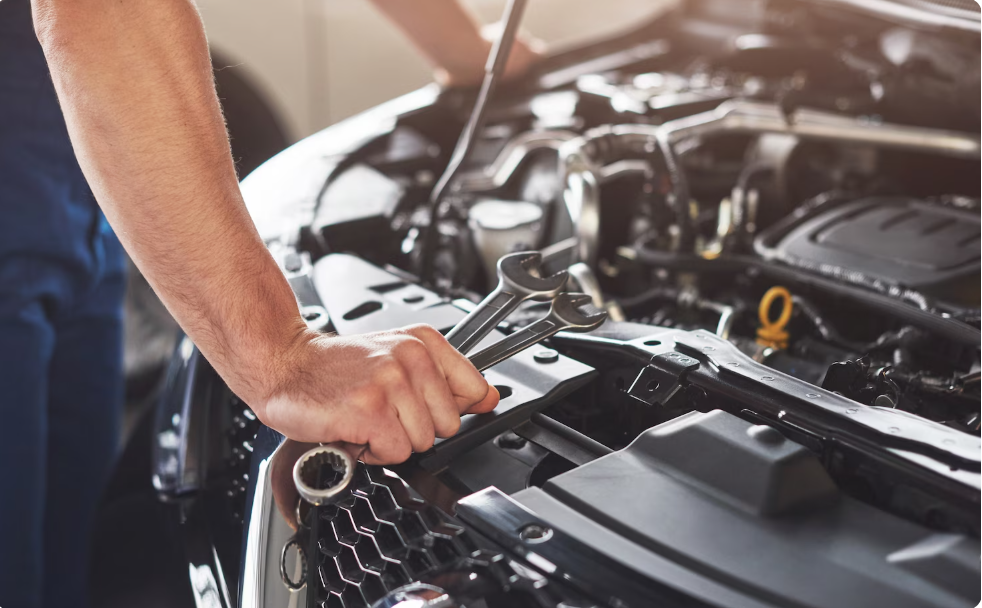
Auto Motive
Auto Motive: A Complete Guide to Modern Vehicles, Automotive Technology, Maintenance, Performance, and Smart Driving The automotive world is constantly changing, bringing new technologies, improved safety systems, better performance, and more efficient ways to travel. From traditional gasoline-powered vehicles to hybrid and electric models, modern transportation offers more choices than ever before. Understanding the auto motive industry can help drivers, vehicle owners, and automotive enthusiasts make informed decisions about cars and everyday vehicle care. The modern automotive experience is about much more than simply getting from one location to another. Vehicle design now combines comfort, technology, performance, safety, connectivity, and efficiency. Whether you are interested in buying a new car, maintaining an existing vehicle, or learning more about automotive trends, understanding the basics can be valuable. A well-maintained vehicle can provide dependable transportation for years, while understanding automotive technology can make driving safer and more convenient. With the right knowledge, car owners can also make better decisions about maintenance, repairs, fuel efficiency, and vehicle upgrades. What Is the Auto Motive Industry? The automotive industry includes the companies, technologies, products, and services involved in designing, manufacturing, selling, maintaining, and operating vehicles. It covers a broad range of areas, including: The industry continues to evolve as manufacturers develop new approaches to efficiency, connectivity, automation, and vehicle design. Major Types of Modern Vehicles Today’s automotive market provides several types of vehicles designed for different driving requirements. Sedans Sedans have traditionally been popular because they offer comfortable passenger seating, a dedicated trunk, and balanced road performance. They can be suitable for commuting, family use, and longer journeys. SUVs SUVs are known for their spacious interiors, flexible cargo areas, and generally higher seating positions. They range from compact urban models to larger family-oriented vehicles. Hatchbacks Hatchbacks combine a compact exterior with a flexible rear cargo area. Their maneuverability and practical design make them popular for urban driving. Electric Vehicles Electric vehicles use electric motors powered by batteries. They provide a different driving experience from conventional vehicles and typically produce no tailpipe emissions during operation. Hybrid Vehicles Hybrid vehicles combine an internal combustion engine with an electric propulsion system. Depending on the type of hybrid, the vehicle may use electric power, engine power, or both. Vehicle Type Key Characteristic Common Use Sedan Comfortable and balanced design Daily commuting SUV Space and flexible cargo capacity Families and travel Hatchback Compact and practical City driving Electric Vehicle Battery-powered electric propulsion Everyday and urban travel Hybrid Engine and electric propulsion Mixed driving Important Automotive Technologies Automotive technology has developed rapidly over the past several decades. Modern vehicles can include sophisticated systems designed to improve safety, comfort, efficiency, and connectivity. Driver Assistance Systems Many vehicles now offer technologies that can assist drivers with specific tasks. Examples include: These systems are designed to assist drivers, but they do not eliminate the need for attentive and responsible driving. Connected Car Technology Modern vehicles can connect with smartphones and digital services. Depending on the vehicle, drivers may have access to navigation, music, communication, remote vehicle functions, and vehicle-status information. Connectivity can make everyday driving more convenient, particularly for people who spend significant time on the road. The Importance of Automotive Maintenance Regular maintenance is one of the most important parts of vehicle ownership. Even advanced vehicles require inspections and servicing to remain reliable. Engine and Fluid Checks For vehicles with combustion engines, engine oil is essential for lubrication and component protection. Other fluids, including coolant and brake fluid, also require attention. Electric vehicles have different maintenance requirements, but they still contain systems such as brakes, tires, suspension components, cooling systems, and electrical equipment that require inspection. Tire Maintenance Tires influence braking, handling, ride comfort, and efficiency. Drivers should check tire pressure according to the vehicle manufacturer’s recommendations and monitor tread condition. Uneven tire wear can sometimes indicate alignment or suspension issues. Brake Maintenance Brakes are among the most important safety systems in any vehicle. Unusual sounds, vibrations, changes in pedal feel, or other braking problems should be checked by a qualified professional. Automotive Maintenance Checklist A simple maintenance checklist can help vehicle owners stay organized. Component What to Monitor Why It Matters Tires Pressure and tread Handling and safety Brakes Noise and stopping performance Safe braking Engine oil Level and condition Engine lubrication Battery Starting and electrical performance Reliability Lights Headlights, brake lights, indicators Visibility Coolant Level and leaks Temperature control Wipers Blade condition Clear visibility Maintenance schedules vary by vehicle, so the manufacturer’s service recommendations should always take priority. How Automotive Technology Improves Safety Safety has become one of the most important areas of automotive development. Manufacturers use a combination of passive and active technologies to help protect occupants. Passive Safety Passive safety features help protect occupants when a collision occurs. These can include: Active Safety Active safety systems are designed to help drivers avoid or reduce the severity of certain incidents. Examples include: Drivers should understand how these systems operate and their limitations rather than relying on them as substitutes for attentive driving. Improving Vehicle Fuel Efficiency Fuel efficiency can influence the overall cost of owning and operating a vehicle. Several everyday habits can help reduce unnecessary fuel consumption. Useful practices include: Driving conditions, weather, traffic, vehicle size, and engine design also affect fuel consumption. Electric and Hybrid Automotive Trends Electrification has become an important part of the automotive landscape. Electric and hybrid vehicles offer alternatives to conventional internal combustion vehicles. Benefits of Electric Vehicles Depending on the vehicle and local electricity sources, electric vehicles can offer: However, charging availability, driving range, charging time, purchase price, and local infrastructure are important considerations. Hybrid Vehicle Advantages Hybrid vehicles can combine the characteristics of conventional and electric propulsion. Some systems can recover energy during braking and use it to support electric operation. The right choice depends on driving habits, charging access, budget, and personal requirements. Automotive Design and Comfort Vehicle design is no longer focused only on appearance. Interior comfort and usability are major parts of modern automotive development. Features may include:

Motoring Car
Motoring Car: A Complete Guide to Better Driving, Vehicle Care, Performance, and Road Safety A car is more than just a way to travel from one place to another. For many people, it represents convenience, independence, comfort, and an enjoyable driving experience. Understanding the basics of motoring can help drivers make better decisions when choosing a vehicle, maintaining it, improving performance, and staying safe on the road. The term motoring car can cover many aspects of car ownership and driving, including vehicle performance, maintenance, comfort, fuel efficiency, technology, safety, and everyday usability. Whether you are a new driver, an experienced motorist, or someone planning to purchase a car, learning more about these areas can help you get greater value from your vehicle. From regular servicing and tire checks to understanding modern automotive technology, good motoring habits can make a significant difference. A well-maintained car can provide dependable transportation while also helping prevent avoidable problems and unexpected repair costs. What Makes a Good Motoring Car? A good car should provide a balance between performance, comfort, safety, reliability, and practicality. Different drivers have different requirements, so the ideal vehicle depends on how and where it will be used. Someone who mainly drives through a busy city may prioritize compact dimensions, fuel efficiency, and easy parking. A family may need more interior space, comfort, and safety features. Drivers who frequently travel long distances may place greater importance on ride quality, luggage capacity, and highway performance. Important factors include: The best vehicle is generally one that matches the driver’s lifestyle instead of simply having the most features. Important Features to Consider When Choosing a Car Buying a vehicle is a significant decision. Looking beyond appearance and price can help you choose a car that works well for your daily needs. Engine and Performance Engine performance affects acceleration, highway driving, towing ability, and overall driving characteristics. However, a larger engine does not automatically mean a better car. Consider how you normally drive. If most journeys take place in urban areas, smooth low-speed performance and efficiency may be more useful than high horsepower. Fuel Efficiency Fuel efficiency is another important consideration. A vehicle that uses less fuel can reduce everyday running costs, particularly for people who drive frequently. Electric and hybrid vehicles provide additional options for drivers who are interested in alternative powertrains. Safety Features Modern vehicles can include a wide range of safety technologies. Some common features include: The availability of these features varies between models and trim levels. Motoring Car Maintenance Essentials Regular maintenance is one of the most important parts of responsible car ownership. Even a reliable vehicle needs routine attention to remain in good operating condition. Check Engine Oil Engine oil helps lubricate internal components and reduce friction. Drivers should follow the vehicle manufacturer’s recommended oil-checking and replacement schedule. Low or degraded oil can contribute to engine wear, making regular checks important. Inspect Tires Tires are directly connected to braking, handling, comfort, and road grip. Check tire pressure regularly and inspect the tread for signs of excessive or uneven wear. Incorrect tire pressure can affect both handling and efficiency. Check Brakes Unusual noises, vibrations, changes in pedal feel, or increased stopping distance can indicate that the braking system requires inspection. Because brakes are essential safety components, potential problems should not be ignored. Replace Filters and Fluids Vehicles contain several important fluids and filters. Depending on the vehicle, these may include: Maintenance intervals vary, so the owner’s manual should be used as the primary reference. Car Maintenance Schedule Creating a simple maintenance routine can make vehicle ownership easier. Maintenance Task General Purpose Typical Attention Tire pressure check Supports handling and tire life Regularly Engine oil check Protects engine components Regularly Brake inspection Supports safe stopping During servicing or when symptoms appear Fluid inspection Maintains vehicle systems Regularly Battery inspection Supports reliable starting Periodically Air filter replacement Supports engine operation According to manufacturer Professional servicing Comprehensive inspection According to manufacturer These are general guidelines rather than fixed service intervals. Always follow the manufacturer’s recommendations for your specific vehicle. How to Improve the Driving Experience A good driving experience is not only about engine power. Comfort, visibility, road manners, and vehicle setup all contribute to how enjoyable a car feels. Keep the Interior Organized A clean and organized interior can make everyday driving more comfortable. Remove unnecessary items from the cabin and keep essential equipment easily accessible. Adjust Your Driving Position Correct seat and steering-wheel adjustment can improve comfort and visibility. Your controls should be easy to reach without excessive stretching or movement. Maintain Clear Visibility Clean windows, mirrors, headlights, and windshield wipers are important for good visibility. Replace worn wiper blades when they stop clearing water effectively. Fuel Efficiency Tips for Everyday Motoring Fuel consumption can be influenced by driving style, vehicle condition, road conditions, and traffic. Some practical habits can help improve efficiency: These habits may seem small, but consistent driving practices can make a difference over time. Understanding Different Types of Cars Today’s automotive market includes many different vehicle categories. Hatchbacks Hatchbacks are often practical for urban driving because of their compact dimensions and flexible cargo areas. Sedans Sedans traditionally provide comfortable passenger seating and a separate trunk. They can be suitable for commuting, family use, and longer journeys. SUVs SUVs generally offer a higher driving position and more interior or cargo space. They are available in many sizes, from compact models to large family vehicles. Electric Cars Electric vehicles use electric motors and batteries instead of conventional gasoline or diesel engines. They can offer quiet operation and different maintenance requirements compared with traditional vehicles. Hybrid Cars Hybrid vehicles combine an internal combustion engine with electric propulsion. Different hybrid systems operate in different ways, so specifications should be checked carefully when comparing models. Vehicle Type Common Advantage Suitable For Hatchback Compact and practical City driving Sedan Comfortable and balanced Commuting and travel SUV Space and higher seating position Families and varied use Electric Car Electric powertrain Drivers with suitable charging access