
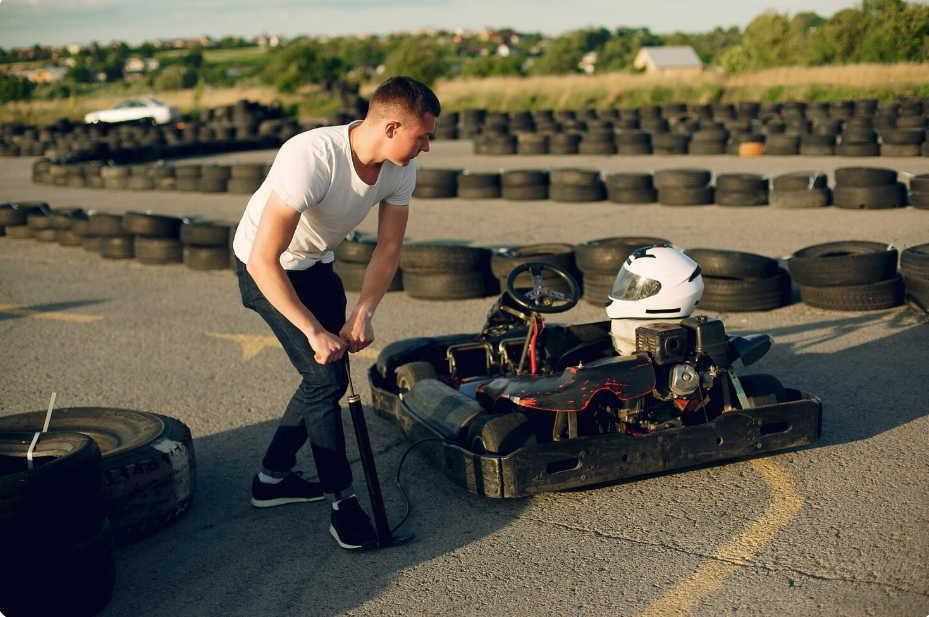
For people who are passionate about racing, cars, engineering, technology, and high-performance vehicles, motorsports jobs can offer an exciting and challenging career path. While many people associate motorsports with professional drivers, the industry depends on a much larger team of engineers, mechanics, technicians, designers, data specialists, marketing professionals, logistics experts, and business professionals.
Modern motorsport combines mechanical engineering, software, data analysis, manufacturing, aerodynamics, communication, event management, and business operations. This means there are career opportunities for people with many different educational backgrounds and skill sets.
Whether you dream of working trackside, designing racing components, analyzing vehicle data, maintaining race cars, managing a racing team, or supporting events behind the scenes, understanding the available career paths can help you plan your next step.
What Are Motorsports Jobs?
Motorsports jobs include professional positions that support racing teams, drivers, circuits, manufacturers, suppliers, events, and related businesses. Some positions are directly connected to race vehicles, while others focus on the commercial and operational side of the industry.
Motorsport teams commonly require professionals in engineering, manufacturing, race operations, technology, marketing, business support, logistics, and other areas. (Motor Racing Industry)
Key motorsport career areas include:
- Race engineering
- Automotive engineering
- Race mechanics
- Vehicle diagnostics
- Aerodynamics
- Data analysis
- Electronics
- Composite manufacturing
- Fabrication
- Motorsport management
- Logistics
- Marketing and communications
- Sponsorship and partnerships
- Event operations
- Media and content
- Business administration
This wide range of positions means you do not necessarily need to be a professional driver to build a career in motorsport.
Why Choose a Career in Motorsports?
Motorsport can be an attractive career choice for people who enjoy fast-paced environments, technical challenges, teamwork, and continuous improvement.
The industry also provides opportunities to work with advanced vehicle technologies and performance systems. Modern racing relies heavily on engineering, data, simulation, manufacturing, and specialized technical knowledge. (Graduate America)
Some advantages of a motorsport career include:
- Working with high-performance vehicles
- Developing advanced technical skills
- Working in a team environment
- Opportunities for specialization
- Exposure to innovative technology
- Possibility of international travel
- Career growth into senior positions
- Opportunities across technical and business fields
Motorsport can be demanding, but for people who genuinely enjoy the industry, the combination of technology, competition, and teamwork can be highly rewarding.
Popular Types of Motorsports Jobs
There are many different career paths available. Your ideal role will depend on your interests, education, practical abilities, and career goals.
Motorsport Engineer
Motorsport engineers work on vehicle performance, design, testing, setup, and development. Depending on their specialization, they may focus on mechanical systems, vehicle dynamics, performance, electronics, or other areas.
Engineering roles can be based at a team’s factory or at the racetrack.
Race Engineer
A race engineer works closely with drivers and technical team members to optimize vehicle performance during racing events. The role can involve vehicle setup, performance analysis, communication, and decision-making.
Race Mechanic
Race mechanics are responsible for preparing, maintaining, inspecting, and repairing racing vehicles. Their work can involve extremely tight deadlines, particularly during race weekends.
Data Analyst
Modern motorsport generates large amounts of data. Data professionals analyze information from vehicle systems, testing, and race sessions to help teams understand performance and make informed decisions.
Aerodynamicist
Aerodynamicists study airflow around racing vehicles and develop solutions intended to improve aerodynamic performance. Their work can involve simulation, computational fluid dynamics, wind-tunnel testing, and physical testing. (Motorsport Jobs)
Fabrication and Manufacturing Technician
Fabricators and manufacturing specialists create and modify components used on racing vehicles. Their work can include machining, welding, composites, assembly, and other production processes.
| Motorsport Role | Main Responsibility | Useful Skills |
|---|---|---|
| Race Engineer | Vehicle performance and race support | Engineering, analysis, communication |
| Race Mechanic | Vehicle maintenance and repair | Mechanical skills, accuracy |
| Data Analyst | Performance and telemetry analysis | Data analysis, software |
| Aerodynamicist | Airflow and aerodynamic development | CFD, engineering, mathematics |
| Fabricator | Component manufacturing | Welding, machining, fabrication |
| Team Manager | Team and operational coordination | Leadership, organization |
Trackside vs. Factory Motorsport Careers
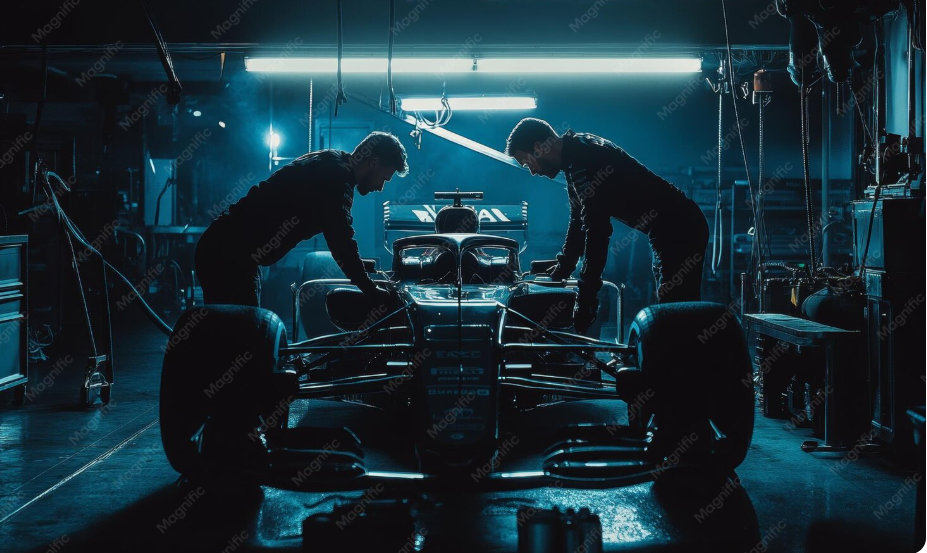
One important decision is whether you want a trackside role or a factory-based position.
Trackside professionals travel with racing teams and work directly at events. Factory professionals generally work from team headquarters, where vehicles and components are designed, tested, manufactured, and prepared.
Trackside roles
Examples include:
- Race engineer
- Race mechanic
- Performance engineer
- Garage technician
- Pit crew member
- Race operations coordinator
Factory-based roles
Examples include:
- Design engineer
- CAD engineer
- Aerodynamicist
- Composite technician
- Data specialist
- Manufacturing technician
- Software engineer
Both environments can provide valuable career experience, but they have different lifestyles. Trackside work may involve significant travel and irregular schedules, while factory positions can provide a more predictable working environment. (Motorsport NDA)
Qualifications for Motorsports Jobs
The qualifications required depend heavily on the position.
Engineering and technical roles often require relevant education or technical training. Other positions, particularly marketing, communications, logistics, administration, and business roles, may require qualifications related to their specific fields.
Relevant educational backgrounds can include:
- Mechanical engineering
- Automotive engineering
- Motorsport engineering
- Electrical engineering
- Electronics
- Computer science
- Data science
- Manufacturing
- Materials science
- Business management
- Marketing
- Communications
Some roles may also value technical certifications, practical training, apprenticeships, or industry-specific experience.
Skills That Can Help You Enter Motorsport
Education is important, but practical skills and real-world experience can make a major difference.
Technical Skills
For technical positions, employers may value knowledge of:
- CAD software
- Vehicle dynamics
- Mechanical systems
- Electronics
- Data analysis
- Simulation
- Manufacturing
- Composite materials
- Diagnostic tools
Soft Skills
Motorsport is highly collaborative. Professionals need to communicate effectively and work under pressure.
Important soft skills include:
- Teamwork
- Communication
- Time management
- Problem solving
- Attention to detail
- Adaptability
- Organization
- Decision-making
- Reliability
The ability to stay calm and accurate when working under time pressure can be particularly valuable in racing environments.
Why Hands-On Experience Matters
Motorsport employers often value candidates who can demonstrate that they have applied their knowledge in real situations. Practical experience can come through internships, apprenticeships, university racing teams, karting teams, grassroots motorsport, volunteering, or related automotive work. (Motorsport NDA)
For students, participating in engineering competitions and student racing projects can provide valuable opportunities to work on vehicle design, fabrication, testing, team management, and race operations.
Useful ways to gain experience include:
- Joining a student motorsport team
- Volunteering at racing events
- Working with a local racing team
- Completing an automotive internship
- Building a race or performance vehicle
- Participating in engineering competitions
- Working in an automotive workshop
- Developing technical projects
Even experience outside professional motorsport can be useful when it develops transferable skills.
Motorsport Jobs for Beginners

You do not always need years of professional racing experience to start your career.
Entry-level opportunities can include trainee technician, junior mechanic, graduate engineer, manufacturing assistant, data assistant, operations assistant, marketing assistant, and other support roles.
The important thing is to identify a position that matches your current skills while providing room for development.
Beginners should focus on:
- Building technical knowledge
- Developing practical experience
- Creating a strong resume
- Learning industry terminology
- Networking with professionals
- Following racing teams and organizations
- Applying for internships and entry-level roles
- Continuing education
Starting in a related automotive or engineering role can also help you develop experience that later transfers into motorsport.
How to Find Motorsports Jobs
A focused job search can help you identify opportunities that match your interests.
Instead of searching only for “motorsports jobs,” consider searching for specific job titles.
Useful search terms include:
- Motorsport engineer
- Race engineer
- Race mechanic
- Motorsport technician
- Performance engineer
- Data engineer
- Motorsport analyst
- Aerodynamicist
- Composite technician
- Race team mechanic
- Motorsport marketing
- Racing operations
- Motorsport logistics
Current motorsport recruitment platforms show opportunities across engineering, manufacturing, race operations, commercial roles, technology, marketing, business support, and logistics. (Motor Racing Industry)
How to Build a Strong Motorsport Resume
A motorsport resume should quickly demonstrate your technical abilities, practical experience, education, and relevant projects.
Avoid creating a generic resume that simply lists previous employment. Instead, highlight achievements and responsibilities that relate directly to the position.
Include:
- Education
- Technical qualifications
- Motorsport projects
- Automotive experience
- Engineering software
- Diagnostic skills
- Manufacturing experience
- Team projects
- Competition experience
- Internships
- Relevant certifications
If you have worked on a racing vehicle, engineering project, student racing team, or performance vehicle, explain exactly what you contributed.
How to Prepare for a Motorsport Interview
Motorsport interviews can include technical questions, practical discussions, behavioral questions, and questions about your interest in racing.
Research the organization and understand the position before attending the interview.
Prepare to discuss:
- Your technical background
- Previous projects
- Problem-solving examples
- Teamwork experiences
- Relevant software or equipment
- Why you want to work in motorsport
- How you handle pressure
- Your long-term career goals
For technical roles, be prepared to explain how you would approach a real-world engineering or mechanical problem.
Career Growth in Motorsports
Motorsport careers can develop in several directions. A technician may progress toward a senior technical role, while an engineer may advance into performance engineering, race engineering, technical leadership, or vehicle development.
Similarly, people working in operations, marketing, logistics, or commercial roles can move into management positions.
| Career Stage | Possible Roles | Development Focus |
|---|---|---|
| Entry level | Trainee, assistant, junior technician | Build fundamentals |
| Early career | Technician, engineer, analyst | Gain practical experience |
| Mid career | Senior engineer, specialist, coordinator | Develop expertise |
| Advanced | Team lead, chief engineer, manager | Leadership |
| Senior leadership | Technical director, operations director, team management | Strategy and business |
The exact path varies by discipline, team, racing series, and individual performance.
Motorsports Careers in India
Motorsport careers are also developing in India, with opportunities connected to engineering, race teams, vehicle development, data, event operations, and related automotive activities.
For Indian students and young professionals, student motorsport programs, engineering competitions, racing teams, internships, and automotive experience can provide useful pathways into the industry. Recent Indian motorsport career coverage has highlighted areas such as race-car design, telemetry analysis, composites, race setup, strategy, and pit operations. (Autocar)
Building experience locally can be a practical first step before applying to international teams or larger racing organizations.
Common Mistakes to Avoid

Breaking into motorsport can be competitive, so avoid relying on passion alone.
Avoid these mistakes:
- Applying without relevant skills
- Sending the same resume everywhere
- Ignoring practical experience
- Focusing only on Formula 1
- Avoiding entry-level opportunities
- Failing to network
- Not learning modern technology
- Giving up after unsuccessful applications
Motorsport is a competitive industry, and persistence combined with continuous skill development can be important when building a career. (Indeed)
Final Thoughts
A career in motorsports jobs can extend far beyond becoming a professional driver. Racing organizations need engineers, mechanics, technicians, aerodynamicists, data specialists, fabricators, logistics professionals, marketers, business staff, and many other specialists.
The best starting point is to identify the area that matches your interests and strengths. Build the appropriate education and technical skills, gain practical experience wherever possible, and create a resume that demonstrates what you can actually contribute.
For students and beginners, volunteering, internships, student racing projects, automotive work, and grassroots motorsport can provide valuable experience. For experienced automotive or engineering professionals, developing specialized skills can create opportunities to transition into racing.
With the right combination of knowledge, practical experience, teamwork, persistence, and passion for performance, motorsport can become a rewarding long-term career.
Frequently Asked Questions
1. What types of motorsports jobs are available?
Motorsport offers jobs in engineering, mechanics, vehicle design, aerodynamics, data analysis, manufacturing, fabrication, logistics, marketing, communications, business operations, and race-event support.
2. Do I need an engineering degree to work in motorsport?
Not necessarily. Engineering degrees are useful for many technical positions, but motorsport also has opportunities in mechanics, manufacturing, marketing, logistics, administration, communications, hospitality, and other areas.
3. How can I get my first motorsport job?
Gain relevant education or technical training, build hands-on experience, participate in student or grassroots racing projects, volunteer at events, develop industry connections, and apply for entry-level or internship opportunities.
4. Are motorsport careers available outside Formula 1?
Yes. Motorsport includes many racing series, teams, suppliers, circuits, manufacturers, and support organizations. Focusing only on Formula 1 can unnecessarily limit your opportunities.
5. What skills are most valuable for motorsport careers?
The most valuable skills depend on the role, but technical knowledge, problem solving, teamwork, communication, attention to detail, data analysis, practical experience, and the ability to work under pressure are widely useful.
Read more: How Quality Auto Body Paint Protects and Restores Your Vehicle