
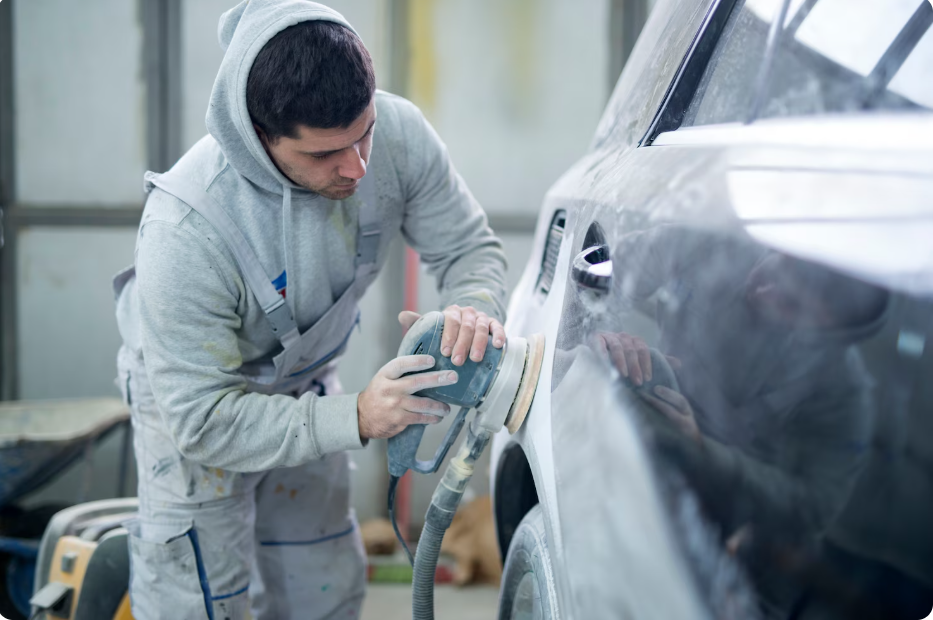
Small scratches, stone chips, and paint marks can make an otherwise clean vehicle look worn. The best auto touchup paint can help repair minor damage, restore the appearance of your car, and protect exposed areas from further deterioration.
However, choosing the right touch-up paint is about more than picking a color that looks similar. The vehicle’s exact paint code, type of damage, paint finish, application method, and whether primer or clear coat is required all affect the final result.
What Makes Auto Touch Up Paint the Best Choice?
The best touch-up paint should match your vehicle as closely as possible and be appropriate for the size and depth of the damage.
Key Benefits
- Repairs small scratches and stone chips
- Helps restore the vehicle’s appearance
- Can protect exposed metal from corrosion
- Available in pens, bottles, and aerosols
- Factory-code matching provides better color accuracy
- Suitable for many DIY repairs
- Can be combined with primer and clear coat
- More affordable than repainting an entire panel
The most important step is finding the manufacturer’s exact paint code rather than relying only on a color name such as “black,” “silver,” or “red.” Similar color names can represent different factory formulas.
How to Find the Correct Car Paint Code
Before buying touch-up paint, locate your vehicle’s paint code. Depending on the manufacturer, it may be found on a label or identification plate in areas such as the door jamb, engine compartment, trunk, or under the hood.
The paint code is usually a combination of letters and numbers.
Once you have the code, use it when purchasing touch-up paint. This is particularly important for metallic, pearl, and other specialty finishes where a small color difference can become noticeable.
Why Paint Code Matters
A generic “white” or “silver” touch-up may look close in the bottle but noticeably different after it dries. Exact-code paint gives you a much better starting point for achieving a visually consistent repair.
Types of Auto Touch Up Paint
Different types of damage require different application methods.
Touch-Up Paint Pens
Paint pens are convenient for very small chips, scratches, and door-edge marks. Their fine applicators provide better control when only a tiny amount of paint is needed.
They are particularly useful for quick DIY repairs.
Brush-On Touch-Up Paint
Small bottles with brushes provide more paint than pens and can work well for slightly larger chips.
The key is applying thin layers instead of filling the damaged area with one thick application.
Aerosol Touch-Up Paint
Aerosols are better suited to larger scratches, scuffs, bumpers, mirror housings, or localized panel repairs. They provide broader coverage than a small brush or pen.
For larger repairs, proper preparation, masking, and thin coats become especially important.
Choose Paint According to the Damage
Not every scratch needs the same repair.
| Type of Damage | Recommended Approach |
|---|---|
| Tiny stone chip | Touch-up pen or fine brush |
| Small paint chip | Brush-on paint + clear coat |
| Deep scratch to bare metal | Primer + color + clear coat |
| Larger scuff | Aerosol or localized refinishing |
| Clear-coat-only scratch | Polishing may be sufficient |
| Large damaged panel | Professional refinishing may be better |
If a scratch only affects the clear coat, repainting may be unnecessary. Deeper damage that exposes metal or plastic generally requires a more complete repair process.
Do You Need Primer?

Primer is not necessary for every touch-up.
If bare metal or bare plastic is exposed, primer can improve adhesion and provide protection before the color coat is applied. If the original primer remains intact, you may not need to add another primer layer.
Use Primer When:
- Bare metal is visible
- Bare plastic is exposed
- The repair has been sanded down to the substrate
- Additional adhesion is needed
Apply primer carefully and avoid creating a thick raised area around a small chip.
Why Clear Coat Matters
Clear coat provides the glossy protective layer over the color coat. It can improve durability, protect against environmental exposure, and help metallic and pearl finishes achieve their intended appearance.
For many modern vehicles, a color-only repair can look dull compared with the surrounding factory finish. Adding the appropriate clear coat can produce a more consistent appearance.
A Typical Repair System
Clean → Primer if required → Color coat → Clear coat → Cure → Light polish if appropriate
The exact products and curing times should always follow the manufacturer’s instructions.
Best Paint for Metallic and Pearl Cars
Metallic and pearl finishes can be more difficult to match than simple solid colors.
Metallic paint contains reflective particles, while pearl finishes use special pigments that change the appearance depending on lighting and viewing angle. Application technique can therefore affect how the repaired area looks.
For these finishes, an exact factory-code match is particularly important.
How to Apply Auto Touch Up Paint
Proper preparation can make a bigger difference than simply buying a premium product.
Step 1: Clean the Area
Remove dirt, wax, grease, and other contaminants. The surface needs to be clean before applying new paint.
Step 2: Inspect the Damage
Determine whether the scratch has affected only the clear coat, the color layer, primer, or bare metal.
Step 3: Apply Primer if Needed
If the substrate is exposed, apply a suitable automotive primer according to the product instructions.
Step 4: Apply Thin Color Coats
Build the color gradually rather than applying one heavy layer. Thin coats can reduce runs and uneven coverage.
Step 5: Add Clear Coat
When the paint system requires it, apply the appropriate clear coat after the color layer has reached the manufacturer’s recommended stage.
Step 6: Allow Proper Curing
Do not rush the final polishing or washing process. Give the repair sufficient time to cure according to the product instructions.
Common Mistakes to Avoid
Even good touch-up paint can produce poor results when applied incorrectly.
Avoid:
- Guessing the color instead of using the paint code
- Applying paint to a dirty or waxed surface
- Using thick coats
- Skipping primer on exposed metal
- Forgetting clear coat when required
- Trying to repair large damage with a tiny pen
- Polishing before the paint has properly cured
- Expecting an old, faded panel to match perfectly
Surface preparation and correct paint selection are two of the biggest factors in successful DIY touch-ups.
When Should You Use Professional Repair?

Touch-up paint is excellent for small localized damage, but it is not the ideal solution for every situation.
Consider professional refinishing when:
- A large section of a panel is damaged
- There is significant rust
- The panel is dented or structurally damaged
- Multiple panels need painting
- A highly visible metallic or pearl finish needs perfect blending
- The existing paint is heavily faded
A professional can blend and refinish larger areas more effectively than a small touch-up product.
Final Thoughts
The best auto touch up paint is not necessarily the most expensive product. The right choice depends on your vehicle’s exact paint code, the size and depth of the damage, the finish type, and the application method.
For tiny chips, a quality color-matched pen can be convenient. Larger repairs may require an aerosol system, while deep scratches may need primer, color, and clear coat. Most importantly, prepare the surface carefully and follow the product’s application instructions.
With the right paint and technique, many minor vehicle blemishes can be repaired at home while keeping your car looking cleaner and better maintained.
Frequently Asked Questions
What is the best auto touch up paint?
The best option is a high-quality paint matched to your vehicle’s exact factory paint code. The application format should then be selected according to the size and depth of the damage.
How do I find my car’s paint code?
Check the vehicle identification or build label. Common locations include the door jamb, engine compartment, trunk, or under the hood.
Do I need clear coat with touch-up paint?
Many modern automotive paint systems benefit from clear coat after the color layer. It provides protection and helps restore the gloss and appearance of the original finish.
Is a touch-up paint pen good for scratches?
Yes, paint pens are useful for small chips and localized scratches. Larger damage generally requires a brush, aerosol, or more complete refinishing process.
Do I need primer before applying touch-up paint?
Primer is generally important when the repair exposes bare metal or bare plastic. If the original primer layer is still intact, an additional primer coat may not always be necessary.
Read more: Popular Vehicle Modifications For a Better Driving Experience