
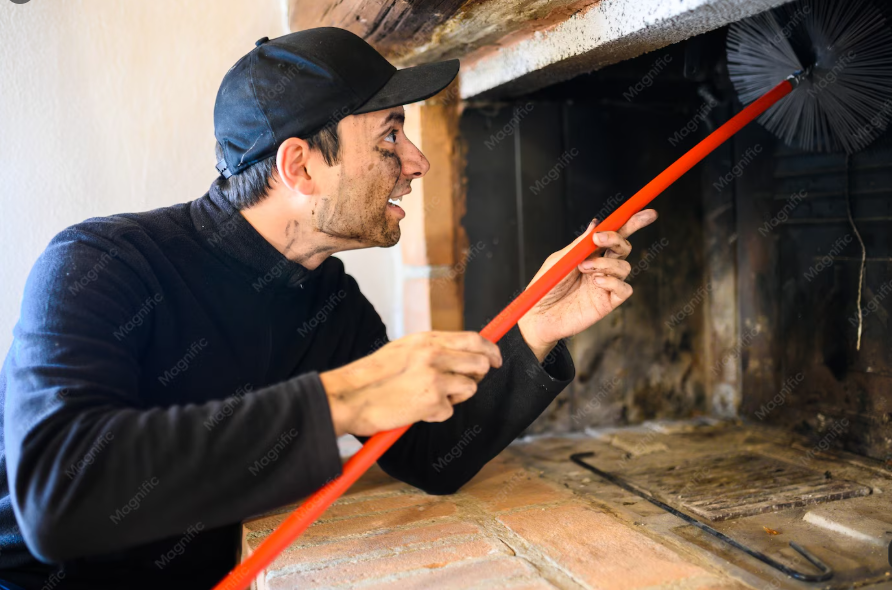
A fireplace can make a home feel warmer, more comfortable, and more inviting. Whether you have a traditional wood-burning fireplace, a gas fireplace, or an electric model, regular maintenance and timely repairs help keep it operating reliably. When problems such as poor heating, unusual noises, damaged components, or ignition failures appear, professional fireplace service and repair can help restore proper performance.
Fireplaces involve different systems depending on their design. Wood-burning fireplaces may require chimney inspections and creosote removal, while gas fireplaces need attention to burners, ignition components, and gas connections. Electric fireplaces may require repairs to heating elements, fans, switches, or electrical controls.
Understanding these differences helps homeowners make informed maintenance decisions and recognize when professional assistance is necessary.
What Does Fireplace Service and Repair Include?
Fireplace service and repair covers inspection, cleaning, maintenance, troubleshooting, and the replacement of damaged or worn components. The specific services depend on the fireplace type, its age, and the condition of its parts.
Professional fireplace services may include:
- Inspecting the firebox, fireplace structure, and visible components.
- Cleaning applicable fireplace and chimney areas.
- Checking chimney or venting conditions.
- Diagnosing gas fireplace ignition and burner problems.
- Inspecting gas connections and safety controls.
- Repairing electric fireplace fans, switches, or heating components.
- Evaluating damaged masonry, firebrick, or fireplace surrounds.
- Replacing compatible parts when necessary.
- Checking safety devices and confirming proper operation.
A professional inspection can also identify developing problems before they become more expensive or create additional safety concerns.
Common Fireplace Problems That Require Professional Repair
Fireplaces can develop different problems depending on how they operate. Recognizing warning signs early can help you determine when to schedule service.
Fireplace Does Not Produce Enough Heat
A fireplace that provides less heat than expected may have several possible causes.
In a wood-burning fireplace, poorly seasoned firewood, inadequate airflow, or chimney draft problems can affect performance. Gas models may have burner or control issues, while electric fireplaces may experience problems with their heating elements or fans.
The correct solution depends on the appliance. A qualified technician can inspect the relevant components and recommend appropriate repairs.
Smoke Enters the Room
Smoke entering the living area instead of traveling up the chimney can indicate a draft problem, a blockage, or an issue with the fireplace design or operation.
Possible causes include:
- Obstructed chimney passages.
- Closed or malfunctioning dampers.
- Poorly seasoned wood.
- Inadequate airflow.
- Venting or pressure problems within the building.
Stop using a wood-burning fireplace if smoke repeatedly enters the room. Have the chimney and ventilation system evaluated before using it again.
Gas Fireplace Will Not Ignite
Gas fireplaces may fail to ignite because of a faulty igniter, a pilot assembly problem, an electrical control issue, or an interruption in the fuel supply.
If your gas fireplace does not start, follow only the basic checks permitted by the manufacturer’s manual. Do not repeatedly attempt ignition if you smell gas or suspect a leak.
Gas valves, regulators, burner adjustments, and internal safety components should be handled by qualified professionals.
Fireplace Produces Unusual Noises
Some clicking sounds are normal as metal components expand or contract during heating and cooling. However, persistent popping, loud rumbling, unusual whistling, or repeated ignition noises may indicate a problem.
The cause may involve loose components, burner contamination, airflow restrictions, or a mechanical fault.
If unusual noises occur alongside abnormal flames, smoke, or odors, discontinue use and arrange a professional inspection.
Fireplace Has Visible Damage
Cracked firebricks, deteriorating mortar, damaged fireplace glass, and loose surrounding materials may require attention.
Even small areas of visible damage can matter when they affect heat containment, structural integrity, or the manufacturer’s required clearances.
Avoid operating the fireplace if the damage could compromise safe use. Ask an appropriate specialist to assess the condition and recommend repairs.
Types of Fireplace Service and Repair
Each fireplace type requires a different maintenance approach. Identifying your model before arranging service helps ensure that the technician has the appropriate experience.
| Fireplace type | Common problems | Typical professional services |
|---|---|---|
| Wood-burning fireplace | Smoke backup, chimney obstruction, damaged masonry | Chimney inspection, cleaning, draft assessment, masonry repair |
| Natural gas fireplace | Ignition failure, pilot problems, unusual flame | Burner inspection, ignition diagnosis, gas-system checks |
| Propane fireplace | Pilot failure, control issues, abnormal combustion | Fuel-system diagnosis, approved component repair, operational testing |
| Electric fireplace | Fan noise, heating failure, faulty controls | Electrical diagnosis, fan or heater repair, control replacement |
| Outdoor fireplace | Weather damage, corrosion, drainage issues | Structural inspection, approved component repair, weatherproofing assessment |
Wood-Burning Fireplace Maintenance
Wood-burning fireplaces require particular attention to the chimney and flue. Burning wood can produce soot and creosote, a combustible deposit that accumulates inside chimney passages.
A qualified chimney professional can inspect the system and determine whether cleaning, repairs, or further evaluation is necessary.
Use appropriately seasoned firewood and follow the fireplace manufacturer’s instructions. Never ignore smoke backup, damaged masonry, or signs of chimney deterioration.
Gas Fireplace Maintenance
Gas fireplaces rely on fuel delivery, ignition, burners, controls, and appropriate ventilation or venting arrangements.
Professional service may include checking the pilot assembly, inspecting the burner, evaluating safety controls, and examining accessible venting components.
If you smell gas, leave the building immediately. Do not light a flame, operate electrical switches, or use a phone inside the affected area. Contact your gas supplier or emergency services from a safe location.
Electric Fireplace Maintenance
Electric fireplaces do not burn wood or use gas, but they still require proper electrical operation and unobstructed airflow.
Dust buildup, fan problems, damaged cords, or faulty heating components can affect performance. Disconnect power before performing any manufacturer-approved exterior cleaning, and never open electrical components unless you are qualified to do so.
How Much Does Fireplace Service and Repair Cost?
The cost of fireplace service and repair varies according to the type of fireplace, the problem involved, labor requirements, replacement parts, and the property’s location.
A routine inspection is different from a major chimney repair or a gas-control replacement, so homeowners should request an estimate based on the actual condition of their fireplace.
Factors That Influence Repair Costs
1. Fireplace type: Wood-burning, gas, and electric fireplaces require different tools, skills, and replacement parts.
2. Problem severity: A minor component issue may require less work than damaged masonry, a blocked chimney, or a major system failure.
3. Accessibility: Difficult-to-reach chimneys, rooftop components, or built-in fireplace systems may require additional labor.
4. Replacement materials: Specialized glass, ignition components, firebrick, and manufacturer-specific parts can affect the total price.
5. Inspection requirements: Some problems require additional testing or specialist assessments before repairs can begin.
6. Emergency service: Urgent appointments outside normal business hours may involve additional charges.
Repair or Replace: Which Option Is Better?
Repairing a fireplace may be practical when the main structure is sound and replacement parts are available. Replacement may be worth considering when the unit is extensively damaged, obsolete, repeatedly malfunctioning, or unsuitable for your heating needs.
| Consideration | Repair may be appropriate when | Replacement may be worth considering when |
|---|---|---|
| Structural condition | The firebox and main structure are sound | Significant damage cannot be economically corrected |
| Component condition | Only a limited number of parts have failed | Multiple major components are deteriorating |
| Parts availability | Compatible parts are available | Essential parts are unavailable |
| Operating performance | The fireplace meets your needs after repair | Performance remains inadequate despite repairs |
| Long-term value | Repair costs are reasonable | Repeated service costs continue to accumulate |
Ask your technician to explain the safety implications, expected service life, and estimated costs of both options before deciding.
How to Choose a Reliable Fireplace Repair Company
Choosing the right service provider is essential for both repair quality and safety.
Check Relevant Experience
Look for professionals who regularly service your specific fireplace type. A chimney specialist may be appropriate for a wood-burning fireplace, while a gas appliance technician may be needed for burner, ignition, or fuel-system issues.
For electric fireplaces, select a service provider qualified to work on the relevant electrical components.
Verify Credentials and Insurance
Check applicable licensing, certifications, and insurance requirements in your area. Ask whether the technician has experience with your fireplace’s manufacturer and model.
Request a Written Estimate
A clear estimate should identify the recommended work, parts, labor, diagnostic charges, and any additional fees.
If more extensive repairs become necessary, ask the company to explain the changes before authorizing extra work.
Review Customer Feedback
Customer reviews and references may help you assess punctuality, communication, workmanship, and service reliability. Look for consistent feedback rather than relying on a single review.
Ask About Warranties
Find out whether parts and labor are covered by a warranty and whether the repair affects any existing manufacturer warranty.
Keep service receipts and repair records for future reference.
Fireplace Safety Tips Every Homeowner Should Follow
Regular maintenance is important, but safe daily use is equally essential.
The U.S. Fire Administration recommends maintaining heating equipment and chimneys, keeping combustible materials away from heat sources, and following appropriate fire-prevention practices.
Follow these essential precautions:
- Keep furniture, curtains, decorations, and other combustible materials away from the fireplace.
- Use a sturdy fireplace screen where appropriate.
- Keep children and pets at a safe distance from hot surfaces.
- Install and maintain smoke alarms according to local requirements.
- Use carbon monoxide alarms where appropriate for fuel-burning appliances.
- Never leave an active fire unattended.
- Follow the manufacturer’s instructions for operation and maintenance.
- Do not use a fireplace with suspected gas leaks, persistent smoke backup, or serious visible damage.
- Keep required vents and air intakes unobstructed.
- Never bypass safety controls or attempt unqualified repairs.
Carbon monoxide is colorless and odorless. If a carbon monoxide alarm activates, or anyone develops possible symptoms of exposure, move everyone outdoors to fresh air and contact emergency services.
Preventive Fireplace Maintenance Checklist
Preventive maintenance helps homeowners identify problems and keep their fireplaces in good condition.
Before the Heating Season
- Arrange an inspection appropriate for your fireplace type.
- Check visible exterior components for damage.
- Make sure the surrounding area is free of combustible clutter.
- Confirm that smoke and carbon monoxide alarms are functioning.
- Review the manufacturer’s operating instructions.
- Arrange chimney cleaning when recommended by a qualified professional.
During Regular Use
- Pay attention to changes in flame appearance, heating performance, or noise.
- Stop using the fireplace if unusual smoke, odors, or repeated ignition problems occur.
- Keep combustible materials away from the hearth.
- Use only the fuel specified for your fireplace.
- Keep records of recurring problems and service visits.
After the Season
Allow the fireplace to cool completely before performing permitted exterior cleaning. Follow the manufacturer’s storage and maintenance recommendations, and arrange repairs before the next heating season when possible.
Remember that maintenance requirements vary. A gas fireplace does not need the same chimney-cleaning routine as a wood-burning fireplace, although its venting and other components may still require inspection.
When Should You Schedule Emergency Fireplace Service?
Some problems require immediate action rather than a routine appointment.
Leave immediately and seek emergency assistance if:
- You smell gas or suspect a gas leak.
- A carbon monoxide alarm activates.
- Smoke fills the room or a fire spreads beyond the fireplace.
- You notice signs of a chimney fire, such as intense roaring sounds or unusual heat around the chimney.
Do not re-enter an evacuated building until it has been declared safe.
For non-emergency issues, arrange prompt professional service if the fireplace repeatedly fails to ignite, produces unusual soot, has damaged glass or masonry, or develops persistent smoke or performance problems.
Conclusion
Professional fireplace service and repair helps homeowners maintain reliable heating, identify damaged components, and address problems before they become more serious. From chimney cleaning and masonry repair to gas fireplace troubleshooting and electric heating repairs, the right service depends on the type of fireplace and its condition.
The best approach combines preventive maintenance, qualified technicians, clear repair estimates, and careful attention to safety. By inspecting your fireplace regularly and responding promptly to warning signs, you can help protect your home while keeping your fireplace comfortable and functional.
Frequently Asked Questions About Fireplace Service and Repair
How often should a fireplace be serviced?
The appropriate schedule depends on the fireplace type, manufacturer recommendations, and frequency of use. Wood-burning fireplaces need attention to chimney condition and combustible deposits, while gas and electric models have different inspection requirements. Ask a qualified professional to recommend a suitable schedule.
What are the signs that my fireplace needs repair?
Warning signs include smoke entering the room, ignition failures, abnormal flames, unusual noises, damaged masonry, broken glass, and reduced heating performance. A suspected gas leak or carbon monoxide alarm requires immediate safety action rather than routine troubleshooting.
Can I repair my fireplace myself?
Homeowners can perform certain basic tasks allowed by the manufacturer’s manual, such as exterior cleaning after the fireplace cools. Chimney repairs, structural masonry work, gas-system repairs, and internal electrical work should be handled by appropriately qualified professionals.
Is fireplace cleaning the same as fireplace repair?
No. Cleaning removes soot, debris, or other deposits, while repair addresses damaged or malfunctioning components. An inspection may identify the need for either service or both, depending on the fireplace’s condition.
Is it better to repair or replace an old fireplace?
Repair may be sensible when the main structure is sound and compatible replacement parts are available. Replacement may be more practical when the unit has extensive damage, repeated major failures, unavailable parts, or ongoing performance issues. A professional assessment can help you compare the options.