

fireplace technician services help homeowners maintain safe, reliable, and efficient fireplaces throughout the year. Whether you have a gas fireplace, an electric fireplace, or a traditional wood-burning unit, an experienced technician can diagnose problems, repair damaged components, and recommend maintenance to keep your fireplace operating properly.
A fireplace adds warmth, comfort, and visual appeal to a home. However, ignition failures, ventilation issues, damaged components, and insufficient maintenance can affect its performance. Working with a qualified professional helps homeowners identify potential problems early and make informed decisions about repairs.
This guide covers fireplace technician services, common fireplace problems, estimated repair costs, maintenance tips, and how to choose the right professional for your home.
What Does a Fireplace Technician Do?
A fireplace technician is a trained professional who inspects, maintains, troubleshoots, and repairs fireplace systems. Depending on their qualifications, they may specialize in gas appliances, electric fireplaces, wood-burning fireplaces, fireplace inserts, or related venting systems.
Their responsibilities often include:
- Inspecting fireplace components and identifying performance problems.
- Diagnosing ignition failures and pilot light issues.
- Examining gas burners, controls, and approved connections.
- Repairing electrical controls and heating components.
- Checking appropriate ventilation and exhaust systems.
- Replacing worn or damaged components.
- Performing manufacturer-recommended maintenance.
- Recommending repairs, safety improvements, or replacement when necessary.
Some jobs require specialized professionals, including licensed electricians, qualified gas technicians, chimney specialists, or masonry contractors. Choosing the correct specialist depends on the fireplace type and the problem involved.
Types of Fireplace Technician Services
Different fireplace systems have different operating requirements. Understanding these differences helps homeowners find an experienced professional.
1. Gas Fireplace Technician
Gas fireplace technicians work with fireplaces powered by natural gas or propane. Common service requests involve pilot lights that will not remain lit, ignition failures, faulty controls, burner problems, and abnormal flame patterns.
A qualified gas technician can inspect the relevant components and determine whether cleaning, repair, or replacement is appropriate.
If you smell gas, leave the building immediately without operating electrical switches or attempting repairs. Contact the gas emergency service from a safe location.
2. Electric Fireplace Technician
Electric fireplaces use electrical heating elements and simulated flame effects. Problems may involve faulty switches, malfunctioning remote controls, heater failures, damaged wiring, or defective fans.
An appropriately qualified technician can test the affected components and recommend a suitable repair. Electrical faults should be handled by a qualified professional.
3. Wood-Burning Fireplace Technician
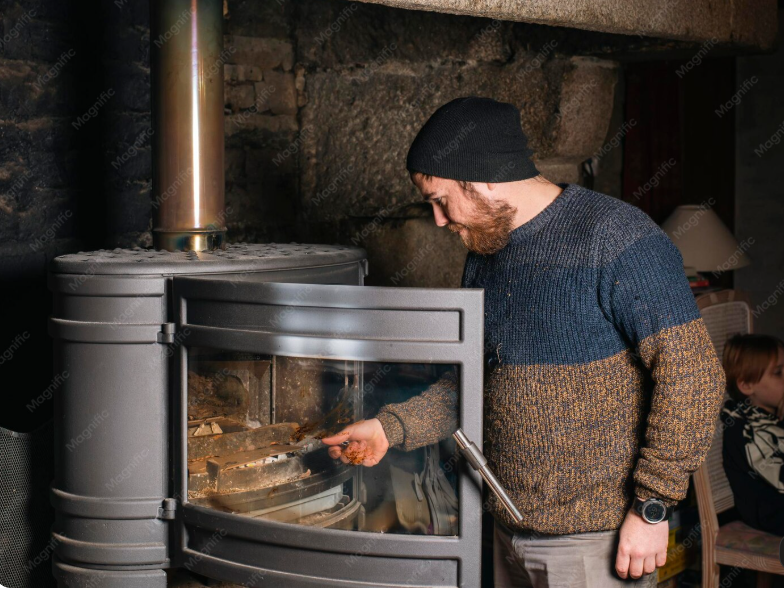
Wood-burning fireplaces require a suitable chimney, a functional damper, and an unobstructed exhaust path.
A fireplace or chimney specialist can inspect the firebox, chimney liner, damper, masonry, and other relevant components. They can also identify signs of deterioration or ventilation problems.
4. Fireplace Insert Technician
Fireplace inserts are installed inside existing fireplace openings and may operate using gas, electricity, or wood.
Because each insert has specific installation and maintenance requirements, it is important to choose a technician familiar with the appliance’s brand and model.
Common Fireplace Problems a Technician Can Repair
Fireplaces can develop problems through regular use, aging components, inadequate maintenance, or installation issues.
Fireplace Will Not Turn On
A fireplace that fails to start may have depleted remote batteries, a defective wall switch, an ignition problem, or an issue with its electrical or gas supply.
Homeowners can check basic items permitted by the manufacturer’s instructions. If the fireplace still fails to operate, arrange a professional inspection.
Pilot Light Keeps Going Out
A gas fireplace pilot light that repeatedly goes out may indicate a dirty pilot assembly, a faulty thermocouple or thermopile, a draft, or a problem with the gas controls.
A qualified technician can test the system and determine the cause instead of replacing components unnecessarily.
Fireplace Produces Insufficient Heat
Poor heating may result from a malfunctioning blower, restricted airflow, incorrect thermostat settings, or a defective heating component.
A technician can evaluate the appliance and recommend repairs to restore its intended performance.
Smoke Enters the Room
Smoke entering a room from a wood-burning fireplace may indicate a blocked chimney, poor draft, an obstructed flue, or another ventilation problem.
Stop using the fireplace until a qualified chimney professional has inspected the system.
Fireplace Makes Unusual Noises
Some clicking and expansion sounds may be normal. Persistent rattling, loud popping, or unusual mechanical noises may indicate a problem with the blower, burner, or another component.
Turn off the appliance if safe to do so and arrange an inspection.
Fireplace Technician Cost: How Much Should You Budget?
The cost of hiring a fireplace technician depends on the type of fireplace, the nature of the problem, replacement parts, labor rates, and location.
The following table provides illustrative estimates in US dollars for general budgeting. Actual prices vary significantly by market and appliance.
| Fireplace service | Estimated cost |
|---|---|
| Diagnostic or service visit | $75–$200 |
| Minor fireplace repair | $100–$300 |
| Gas pilot or ignition repair | $100–$400 |
| Electric fireplace repair | $100–$350 |
| Fireplace blower repair | $150–$500 |
| Gas valve replacement | $200–$600 |
| Chimney or venting repairs | $200–$800+ |
These figures are general estimates, not guaranteed quotes. Extensive structural work, major venting repairs, and complicated electrical or gas-system problems can cost considerably more.
Factors That Affect Fireplace Service Costs
Several factors influence the final price.
- Fireplace type: Gas, electric, and wood-burning systems require different technical skills and replacement components.
- Repair complexity: Minor control problems generally cost less than major component failures.
- Labor requirements: Difficult access and complicated installations may increase labor charges.
- Parts availability: Older fireplaces may require specialized or discontinued components.
- Emergency appointments: After-hours service can involve additional fees.
- Inspection requirements: Some repairs require extra testing or specialist assessments.
Before authorizing work, request a written estimate covering diagnostic fees, labor, replacement parts, and warranty terms.
How to Choose the Best Fireplace Technician

Choosing a qualified technician is essential for reliable service and appropriate safety checks.
Check Qualifications and Experience
Look for the training, licensing, or certifications required in your location. Confirm that the technician is qualified to work on the specific fuel or electrical system involved.
Ask About Fireplace Specialization
Not every technician services every fireplace type. Ask whether they have experience with your fireplace’s brand, model, fuel source, and installation.
Compare Written Estimates
Request detailed estimates from qualified providers when practical. Compare the proposed repairs, parts, labor, diagnostic fees, and warranties instead of focusing only on the lowest price.
Review Customer Feedback
Read recent customer reviews and look for consistent comments about communication, punctuality, professionalism, and workmanship.
Confirm Warranty Coverage
Ask whether replacement parts and labor are covered by a written warranty. Review the manufacturer’s warranty before authorizing repairs.
Request a Clear Diagnosis
A dependable technician should explain the problem, describe suitable repair options, and obtain approval before performing additional non-emergency work.
Benefits of Hiring a Professional Fireplace Technician
Professional servicing can help homeowners maintain fireplace performance while addressing potential problems.
Improved Safety
A qualified technician can identify problems involving gas connections, combustion, electrical components, and venting. This is particularly important for fuel-burning appliances.
Accurate Troubleshooting
Systematic testing helps identify the cause of a malfunction rather than relying on guesswork. This can reduce unnecessary replacements and repeated service visits.
Better Heating Performance
Repairing faulty components and correcting suitable airflow issues can help a fireplace operate according to its design specifications.
Longer Equipment Life
Timely repairs may prevent some minor faults from causing additional damage. Routine inspections also provide opportunities to identify worn components.
Greater Peace of Mind
Professional service gives homeowners a clearer understanding of their fireplace’s condition and the maintenance or repairs it may require.
Fireplace Maintenance Tips for Homeowners
Regular maintenance can help reduce unexpected breakdowns and support reliable operation.
Schedule Professional Inspections
Follow the manufacturer’s recommended maintenance schedule and local safety requirements. Gas fireplaces commonly benefit from annual professional inspections, while wood-burning fireplaces and chimneys should be inspected and cleaned according to their condition and use.
Keep the Fireplace Area Clear
Maintain the clearances specified by the manufacturer. Keep furniture, curtains, decorations, and other combustible materials away from the appliance.
Clean Approved Components
Follow the owner’s manual when cleaning fireplace glass and exterior surfaces. Allow the appliance to cool completely before performing any permitted maintenance.
Maintain Carbon Monoxide Alarms
Install and maintain carbon monoxide alarms according to local requirements and manufacturer recommendations. Test them regularly and replace batteries or units as directed.
Avoid Unauthorized Modifications
Never bypass safety controls, modify gas pressure, or install unapproved parts. These actions can create hazardous operating conditions.
Keep Service Records
Record inspection dates, repairs, and replacement parts. These records can help a technician diagnose recurring problems more efficiently.
When Should You Repair or Replace Your Fireplace?

Repair may be the most practical option when a fireplace has a limited fault, compatible parts are available, and the remaining equipment is in good condition.
Replacement may be worth considering when the appliance has extensive damage, repeated breakdowns, unavailable components, or repair costs approaching the price of a suitable replacement.
| Consideration | Repair | Replacement |
|---|---|---|
| Initial expense | Often lower for minor issues | Usually higher |
| Existing installation | May remain unchanged | Modifications may be needed |
| Appliance condition | Suitable for serviceable units | Worth considering for extensively damaged units |
| Repeated failures | May not resolve multiple faults | Provides an opportunity to choose another appliance |
| Long-term value | Depends on remaining service life | Depends on installation costs and performance |
Ask a qualified professional to assess the appliance and compare the full repair estimate with replacement and installation costs before deciding.
Key Takeaways About Fireplace Technicians
- Choose a professional who specializes in your fireplace type.
- Seek qualified help for ignition, heating, electrical, gas, and venting problems.
- Treat gas odors and carbon monoxide alarms as emergencies.
- Obtain a written estimate before approving non-emergency repairs.
- Follow the manufacturer’s maintenance instructions.
- Consider replacement when extensive damage or recurring repairs make continued service impractical.
Hiring a reliable fireplace technician can help restore proper operation, identify potential safety concerns, and maintain your fireplace over the long term. Combining professional inspections with routine maintenance is a practical way to protect your equipment and maintain a comfortable home.
Frequently Asked Questions
1. What does a fireplace technician do?
A fireplace technician inspects, maintains, and repairs fireplace systems. Depending on their qualifications, they may service ignition systems, burners, heating components, controls, fireplace inserts, and associated venting components.
2. How much does a fireplace technician charge?
Costs depend on the appliance, repair complexity, parts, labor, and location. A diagnostic visit may cost approximately $75–$200 in some US markets, while more extensive repairs can cost several hundred dollars or more.
3. How often should I hire a fireplace technician?
Follow the manufacturer’s maintenance recommendations and local requirements. Gas fireplaces commonly receive annual professional inspections, while wood-burning fireplaces and chimneys require inspections and cleaning based on their condition and usage.
4. Can a general handyman repair a gas fireplace?
Only use a professional with the qualifications required for the specific gas-appliance work in your area. Gas valves, supply connections, combustion components, and related safety systems require appropriate technical expertise.
5. How do I know if my fireplace needs professional service?
Repeated ignition failures, unusual noises, insufficient heat, excessive soot, or recurring shutdowns are reasons to arrange an inspection. If you smell gas or a carbon monoxide alarm activates, leave the building immediately and contact emergency services from a safe location.