
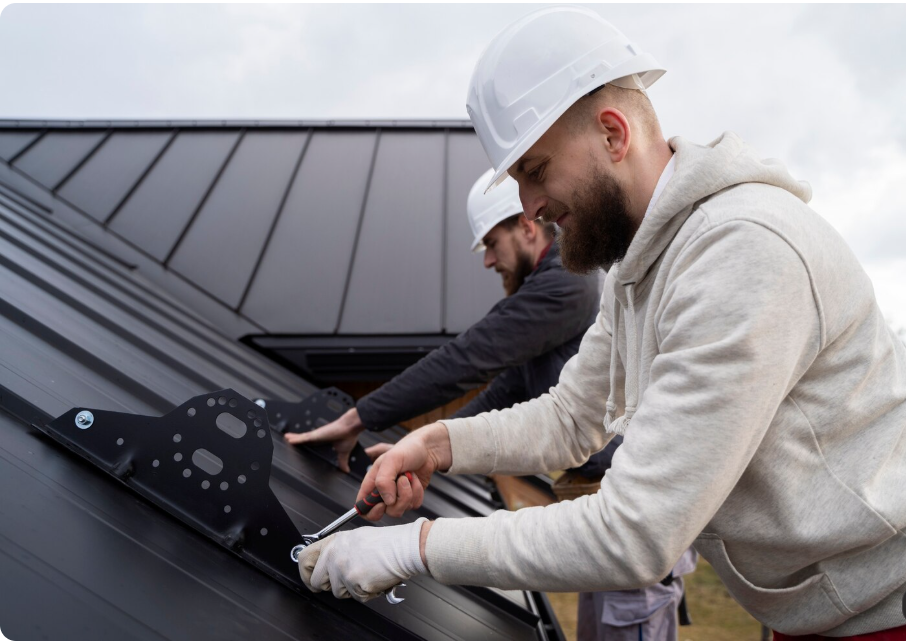
Commercial buildings require reliable drainage systems to protect their roofs, walls, foundations, and surrounding landscapes from water damage. Gutters play an essential role in directing rainwater away from a property, but heavy rainfall, debris buildup, aging materials, and poor installation can cause them to deteriorate over time. When these problems occur, professional commercial gutter repair can help restore proper drainage and prevent expensive property damage.
Whether you manage an office building, retail store, warehouse, apartment complex, or industrial facility, maintaining your gutter system is an important part of property management. Damaged or clogged gutters can lead to roof leaks, exterior staining, foundation problems, and unsafe walkways. Addressing these issues early can help reduce repair costs and extend the lifespan of your drainage system.
This guide explains common commercial gutter problems, the benefits of professional repairs, available repair solutions, maintenance tips, and factors that influence service costs.
What Is Commercial Gutter Repair?
Commercial gutter repair involves inspecting, fixing, and maintaining gutter systems installed on business properties and other large buildings. Commercial gutters often handle greater volumes of rainwater than residential systems, making their condition especially important during storms.
Professional repair services may include fixing leaks, sealing joints, replacing damaged sections, correcting gutter slopes, securing loose hangers, and repairing downspouts. Contractors may also inspect drainage connections and identify issues that could cause water to collect around the building.
Unlike smaller residential systems, commercial gutter systems may extend across large roofs and require specialized equipment to access safely. Hiring experienced professionals helps ensure that repairs address the underlying problem rather than providing only a temporary solution.
Common Signs Your Commercial Gutters Need Repair
Recognizing gutter problems early can help business owners avoid unnecessary expenses and operational disruptions.
1. Water Leaking From Gutter Joints
Leaks often develop where gutter sections connect or where fasteners and seams have deteriorated. Water escaping from these areas can stain exterior walls and damage nearby materials.
A contractor can inspect the joints, identify the source of the leak, and apply suitable sealants or replace damaged components when necessary.
2. Sagging or Detached Gutters
Commercial gutters can sag when their hangers become loose, fasteners fail, or debris adds excessive weight. Severe sagging may prevent water from reaching the downspouts.
Repairing the support system and replacing damaged hardware can help restore proper alignment. If the gutter material has bent or deteriorated significantly, replacing the affected section may be necessary.
3. Overflowing Gutters During Rainfall
Overflowing water may indicate clogged gutters, blocked downspouts, insufficient drainage capacity, or incorrect installation. In commercial buildings, overflow can affect entrances, loading areas, sidewalks, and landscaped spaces.
A professional inspection can help determine whether cleaning, repairs, or drainage improvements are needed.
4. Rust, Cracks, or Corrosion
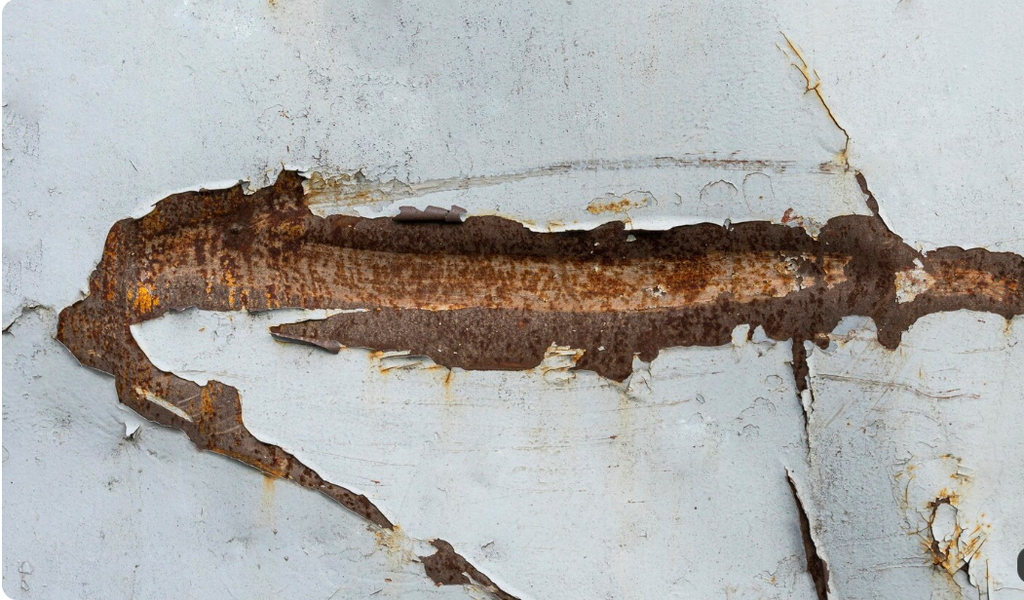
Metal gutters can corrode over time, particularly when standing water and debris remain in the system. Cracks and holes may also develop because of weather exposure, physical damage, or aging materials.
Minor damage may be repairable, but widespread corrosion can make replacement more practical.
5. Water Pooling Near the Foundation
When gutters and downspouts fail to move water away from a building, rainwater may collect near the foundation. Persistent moisture can contribute to erosion, basement leaks, and other structural concerns.
Repairing gutters and ensuring that downspouts discharge water appropriately can help reduce these risks.
Benefits of Professional Commercial Gutter Repair
Timely gutter repairs provide several advantages for commercial property owners and facility managers.
Protects the Building Structure
Gutters direct rainwater away from roofs, walls, foundations, and entrances. Repairing leaks and drainage problems helps limit unnecessary moisture exposure and reduces the risk of related deterioration.
Helps Prevent Costly Repairs
Ignoring a small leak or loose gutter section may allow the problem to worsen. Water damage can affect roofing materials, insulation, ceilings, exterior finishes, and interior spaces.
Early repairs can help prevent these issues from developing into larger maintenance projects.
Improves Workplace Safety
Overflowing gutters can create slippery walkways, while loose sections may present hazards if they fall. Properly maintained drainage systems help reduce these risks for employees, customers, tenants, and visitors.
Supports Business Operations
A leaking gutter near a storefront, entrance, or loading dock can interfere with daily activities. Resolving drainage issues promptly helps maintain a cleaner and safer environment for normal business operations.
Extends Gutter System Lifespan
Regular inspections and appropriate repairs can help commercial gutters remain functional for longer. Replacing a small damaged section may also delay the need for a complete system replacement.
Types of Commercial Gutter Repair Services
Commercial gutter systems vary in size, material, design, and drainage capacity. Repair solutions should match the specific problem and building requirements.
| Repair service | Common problem addressed | Typical solution |
|---|---|---|
| Leak repair | Water escaping through seams or holes | Sealing joints or repairing damaged sections |
| Gutter realignment | Incorrect slope or standing water | Adjusting gutter position and supports |
| Hanger replacement | Loose or sagging gutters | Installing suitable brackets and fasteners |
| Downspout repair | Leaks, loose connections, or blockages | Repairing connections or replacing damaged sections |
| Corrosion repair | Rust and deteriorating metal | Treating limited damage or replacing affected areas |
| Section replacement | Severe cracks, bending, or deterioration | Installing compatible new gutter sections |
| Drainage improvements | Frequent overflow or poor water discharge | Correcting restrictions and improving drainage arrangements |
Seam and Joint Repair
Seams are common locations for leaks, especially in older gutter systems. Contractors may clean the affected area, remove failing sealant, and apply a compatible commercial-grade product. If the joint is badly damaged, replacing the connection may provide a more durable solution.
Downspout Repair
Downspouts carry water from gutters to designated discharge areas. Loose fittings, damaged elbows, and blockages can interrupt this process. Repairs may involve securing connections, clearing obstructions, or replacing damaged components.
Gutter Slope Correction
Gutters need an appropriate slope so water can move toward the outlets. If sections are incorrectly positioned, water may collect in low spots and increase the risk of corrosion, overflow, and additional strain on the supports.
How to Choose a Commercial Gutter Repair Contractor
Selecting the right contractor is important for protecting your commercial property and ensuring that repairs are completed safely.
Check Commercial Property Experience

Look for a contractor with experience working on buildings similar to yours. Warehouses, retail centers, offices, and industrial facilities may have different roof heights, access requirements, and drainage needs.
Verify Insurance and Safety Practices
Commercial gutter repairs can involve ladders, lifts, roof access, and work at significant heights. Ask whether the contractor has appropriate insurance, trained personnel, and established safety procedures.
Depending on the project and location, permits or additional site-specific requirements may apply.
Request a Detailed Inspection
A reliable contractor should identify the cause of the problem before recommending repairs. The inspection should consider gutter condition, supports, joints, downspouts, drainage flow, and any visible signs of water damage.
Compare Written Estimates
Request written estimates that explain the proposed work, materials, labor, access equipment, cleanup, and any applicable warranties. Comparing the scope of work is more useful than choosing a contractor based on the lowest price alone.
Ask About Maintenance Services
Some contractors offer scheduled inspections and cleaning. A maintenance plan can help property managers identify developing problems before they lead to urgent repairs.
Factors That Affect Commercial Gutter Repair Costs
The cost of commercial gutter repair depends on the building, the extent of the damage, and the work required. A minor leak may be relatively inexpensive to fix, while extensive corrosion or difficult roof access can increase the overall cost.
Important cost factors include:
- Extent of damage: Small leaks and loose fasteners generally require less work than extensive structural deterioration.
- Gutter material: Aluminum, galvanized steel, copper, and other materials have different repair requirements and material costs.
- Building height: Multi-story buildings may require lifts, scaffolding, specialized access equipment, or additional safety measures.
- System size: Large commercial properties may have longer gutter runs and more downspouts to inspect and repair.
- Labor requirements: Complex roof designs and restricted access can increase the time needed to complete repairs.
- Replacement materials: Matching existing gutters, brackets, outlets, and downspouts may affect the total price.
- Urgency: Emergency service outside regular working hours may cost more than scheduled maintenance.
Is Repair or Replacement More Cost-Effective?
Repair is often suitable when damage is limited to a few joints, supports, or sections and the remaining gutter system is in good condition.
Replacement may be more practical when gutters have widespread corrosion, repeated leaks, extensive deformation, or recurring drainage problems. If the system is consistently overwhelmed during rainfall, a contractor may also recommend evaluating its capacity and overall design.
A professional assessment can help determine which option offers better long-term value.
Preventive Maintenance Tips for Commercial Gutters
Preventive maintenance can help reduce unexpected failures and protect the building during periods of heavy rain.
Schedule Regular Inspections
Inspect gutters at least twice a year as a general maintenance starting point, with additional checks based on local weather, nearby trees, roof conditions, and building requirements. Properties exposed to storms or heavy debris may need more frequent inspections.
Remove Leaves and Debris
Leaves, twigs, dirt, and other debris can block gutters and downspouts. Routine cleaning helps maintain water flow and reduces the weight placed on gutter supports.
For large or elevated commercial buildings, cleaning should be performed by qualified personnel using suitable equipment.
Check Downspout Discharge Areas
Make sure downspouts are securely connected and discharge water away from vulnerable building areas. Drainage arrangements should follow local requirements and avoid directing water onto neighboring properties or pedestrian routes.
Inspect After Severe Weather
Strong winds, hail, and heavy rainfall can loosen brackets, damage seams, or dislodge gutter sections. A post-storm inspection can help identify problems before the next rainfall.
Maintain Records
Property managers can keep records of inspections, repairs, replaced components, and recurring problems. These records make it easier to identify patterns and plan maintenance budgets.
Why Emergency Commercial Gutter Repair Matters
Some gutter problems require immediate attention. A detached section, significant leak, or blocked drainage system during heavy rain can expose a building to additional damage.
Emergency commercial gutter repair may be appropriate when water is entering occupied areas, drainage is affecting electrical or mechanical equipment, or loose components pose an immediate safety concern.
Property managers should restrict access to hazardous areas and contact a qualified contractor. Employees should not attempt roof-level repairs without the required training and safety equipment.
Emergency repairs can help stabilize the situation, but a follow-up inspection may still be necessary to determine whether additional work is required.
Commercial Gutter Repair for Different Types of Buildings
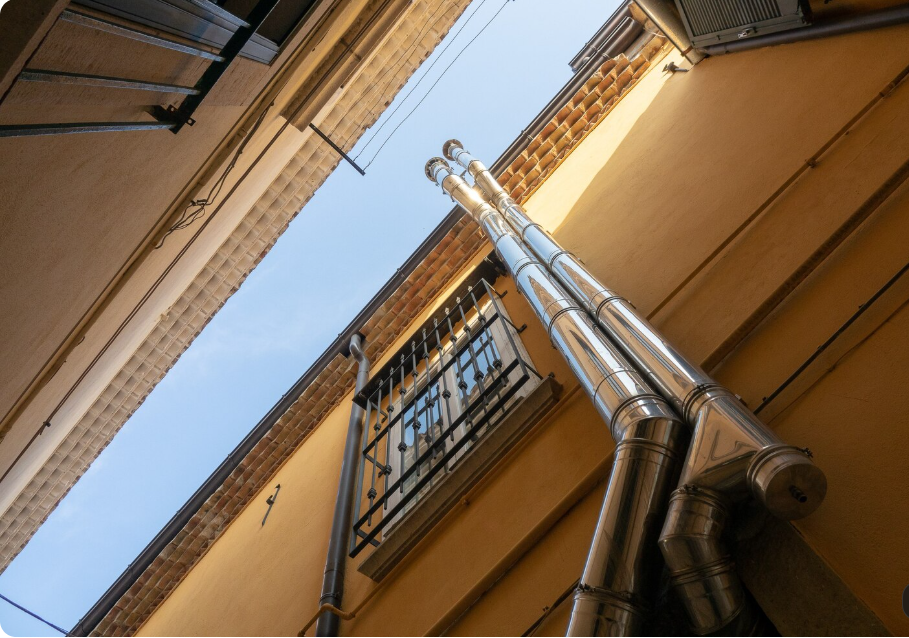
Different commercial properties have different drainage priorities.
- Office buildings: Reliable gutters help protect entrances, windows, exterior finishes, and occupied spaces.
- Retail stores: Proper drainage helps maintain customer access and reduces water-related hazards near storefronts.
- Warehouses: Large roof areas may collect substantial rainfall, making gutter capacity and downspout condition especially important.
- Apartment complexes: Well-maintained drainage helps protect shared walkways, exterior walls, and common areas.
- Industrial facilities: Drainage problems may affect loading areas, equipment zones, and operational spaces.
- Restaurants and hospitality properties: Effective water management helps maintain safe entrances and a professional exterior appearance.
Choosing repair solutions based on the building’s design and use can improve drainage performance and support long-term property maintenance.
Conclusion
Commercial gutter repair is an important part of maintaining a safe, functional, and well-protected business property. Leaks, sagging sections, blocked downspouts, corrosion, and poor drainage can lead to expensive problems if left unaddressed.
By scheduling inspections, arranging timely repairs, and working with an experienced contractor, property owners can help protect their buildings from avoidable water damage. The best approach is to identify problems early, compare repair and replacement options carefully, and establish a maintenance plan suited to the property’s size, materials, and local weather conditions.
Whether you manage a small retail building or a large industrial facility, a properly maintained gutter system supports effective drainage and helps protect your long-term investment.
Frequently Asked Questions (FAQs)
1. What is commercial gutter repair?
Commercial gutter repair involves fixing leaks, damaged sections, loose brackets, blocked downspouts, and other problems affecting gutter systems on business properties. The goal is to restore proper drainage and reduce the risk of water damage.
2. How often should commercial gutters be inspected?
Twice-yearly inspections are a useful starting point for many properties. Buildings surrounded by trees or exposed to severe weather may need more frequent inspections and cleaning.
3. Can commercial gutters be repaired instead of replaced?
Yes. Gutters with limited damage can often be repaired by sealing leaks, replacing fasteners, correcting alignment, or fixing downspouts. Replacement may be preferable when deterioration is widespread or repairs repeatedly fail.
4. What causes commercial gutters to overflow?
Common causes include debris buildup, blocked downspouts, incorrect gutter slope, damaged drainage components, and insufficient system capacity. A professional inspection can help identify the underlying issue.
5. How do I choose the best commercial gutter repair company?
Look for commercial property experience, appropriate insurance, safe work practices, detailed inspections, transparent written estimates, and clear warranty terms. Choose a contractor who explains the cause of the problem and provides a suitable repair plan.