

Owning a vehicle brings freedom and convenience, but it also entails the ongoing responsibility of maintenance and addressing necessary repairs. These expenses, particularly when unexpected, can strain your budget. However, with proactive planning and smart strategies, you can effectively manage the costs associated with vehicle tests and repairs, ensuring your car stays roadworthy without breaking the bank. Here are essential tips to help you navigate these expenses wisely. Understand Your Vehicle’s Maintenance Schedule Proactive maintenance is the first line of defense against costly repairs and test failures. Familiarize yourself with your vehicle’s recommended maintenance schedule, as outlined in the owner’s manual. Adhering to this schedule for regular oil changes, fluid checks, filter replacements, and other preventative services can identify potential issues early, preventing them from escalating into more expensive problems that could lead to test failures or major repairs. Consider DIY for Simple Maintenance Tasks While complex repairs should always be left to qualified professionals, consider tackling simple maintenance tasks yourself to save on labor costs. Basic tasks like checking and topping up fluids, replacing windshield wiper blades, or changing air filters can often be done at home with minimal tools and effort. Consult your vehicle’s owner’s manual for guidance. Obtain Multiple Estimates for Repairs When your vehicle requires repair work, don’t settle for the first quote you receive. Contact several reputable auto repair shops to obtain detailed estimates for the necessary services. This allows you to compare pricing for both labor and parts, ensuring you’re getting a fair deal. Be sure the estimates include a breakdown of the work to be done and the cost of each component. While price is a factor, also consider the shop’s reputation and the expertise of their technicians. Consider Car MOT Test Services: Planning and Preparation For jurisdictions requiring regular vehicle safety and roadworthiness tests, such as the car mot, proactive preparation can save you time and money. Before your test is due, perform basic checks on your lights, tires, brakes, and fluid levels. Addressing minor issues beforehand can prevent test failures that necessitate costly retests and repairs. Schedule your test in advance to avoid last-minute rushes and potential surcharges. Understanding the specific requirements of the test in your area is also crucial. Prioritize Essential Repairs and Plan for Others When faced with multiple repair needs, it’s important to prioritize those that directly impact the safety and roadworthiness of your vehicle. Address critical issues like brake problems, steering malfunctions, or faulty lights immediately. For less urgent repairs, discuss a timeline with your mechanic and plan for them within your budget. Sometimes, delaying non-essential repairs for a short period can allow you to save up funds. Manage Major Repair Costs with Auto Shop Financing Auto shop financing can help customers manage the significant financial burden of unexpected major repairs, such as engine or transmission replacements, as many reputable auto repair shops now offer these options. Explore these options, which may include installment plans or lines of credit. Carefully review the terms and interest rates associated with any financing before committing. Utilizing financing can make essential repairs more manageable by spreading the cost over time.

5 Things You Can Do To Avoid Hefty Repairs After Car Accident
A car accident, even a minor one, can quickly lead to expensive repair bills if not handled wisely. While you can’t always prevent an accident from occurring, you can take several practical steps to minimize the damage and avoid paying a fortune in repairs. Here are five key things you can do immediately after an accident to keep your repair costs under control. 1. Do Not Delay Getting a Professional Inspection After an accident, it is crucial to get your car thoroughly inspected by a professional—even if the damage seems minor. Some problems, such as frame misalignment, internal engine issues, or hidden fluid leaks, may not be visible at first glance. Ignoring these could result in more severe and expensive damage down the road. A certified mechanic can assess the extent of the impact and catch issues early, allowing you to address them before they escalate. 2. Document Everything for Insurance Purposes Proper documentation is your best defence against unnecessary out-of-pocket expenses. Immediately after the accident, take clear photos of all visible damage, the accident scene, road conditions, and any other vehicles involved. Exchange information with the other driver(s) and file a police report, even for minor collisions. These steps can make a significant difference when filing an insurance claim, helping you get the maximum coverage for your repairs and reducing your financial burden. 3. Choose a Trustworthy Collision Repair Centre When it comes to fixing your car, choosing the right collision repair centre is essential. Not all repair shops are created equal—some may cut corners, use substandard parts, or inflate charges. Look for a repair centre that is certified, has a good reputation, and offers a warranty on their work. Quality repair not only restores your vehicle’s appearance but also ensures that structural and safety components are properly repaired, preventing future complications that could lead to further costly repairs. 4. Don’t Skip Post-Accident Alignment and Suspension Checks Even a small accident can throw your car’s alignment and suspension out of balance. If left unaddressed, these issues can cause uneven tyre wear, poor handling, and long-term damage to your steering system. Have your alignment and suspension checked immediately after an accident, especially if you notice the vehicle pulling to one side or vibrations while driving. These checks are relatively inexpensive and can prevent much costlier problems in the future. 5. Act Quickly to Prevent Further Deterioration Time is a critical factor in post-accident care. Delaying repairs can turn small issues into major problems. For example, a cracked bumper may allow moisture to seep into electrical components, or a minor dent might eventually lead to rust. Addressing problems promptly can save you from paying for extensive repairs later. Acting fast also ensures your car remains safe and roadworthy, protecting both you and your investment. Taking these five steps after a car accident can significantly reduce your chances of facing hefty repair bills. Being proactive, choosing quality service, and addressing issues early on can save both money and stress in the long run.

5 Benefits Of Professional Big Truck Service And Detail
Big trucks are essential for transporting goods, heavy materials, and equipment over long distances. Because they are constantly on the move and handle large loads, it’s important to maintain them properly. Professional big truck services and detailing help ensure the trucks remain in top condition. These services do more than just clean the truck; they provide several benefits that can improve the truck’s performance and extend its lifespan. In this article, we will discuss five major benefits of professional big truck service and detailing. 1. Enhanced Performance and Safety When big trucks are regularly serviced, they operate more smoothly, and their performance improves. A professional service checks important parts like the engine, brakes, and transmission, ensuring that everything is working correctly. When all the components are in good condition, it helps prevent breakdowns and accidents on the road. Regular maintenance can catch small problems before they become serious, which means fewer unexpected repairs. 2. Increased Longevity of the Truck Big trucks are a major investment, so you want them to last as long as possible. Professional big truck service and detail helps achieve this by keeping the truck’s parts in optimal condition. Regular inspections, oil changes, and tire rotations can prevent wear and tear from causing damage. When a truck is regularly detailed, it also protects the exterior from rust and corrosion. This increases the truck’s overall lifespan, saving the owner money on early replacements or expensive repairs. 3. Improved Fuel Efficiency Big trucks use a lot of fuel, which can be costly for businesses. By keeping the truck well-maintained, you can improve its fuel efficiency. When the engine is serviced regularly, it runs more efficiently, burning less fuel for the same distance traveled. Proper tire pressure, clean air filters, and smooth engine operation all contribute to better fuel economy. A professional service can make sure all these factors are in check, leading to savings in fuel costs over time. 4. Better Appearance and Professional Image Truck detailing is not just about cleaning; it also helps maintain the truck’s appearance. A clean truck looks more professional and reflects positively on the business it represents. Whether it’s the exterior or the interior, a well-maintained truck can leave a lasting impression on customers and clients. The detailing process includes washing, waxing, and polishing the truck’s body, as well as cleaning and sanitizing the interior. This attention to detail shows that the business cares about quality and professionalism, which can lead to more business opportunities. 5. Compliance with Regulations Big trucks must meet specific regulations to operate legally. These regulations may include emission standards, safety checks, and inspections of critical components. Professional truck services help ensure that the truck is in compliance with all the necessary regulations. This can prevent fines and delays that occur when a truck is not properly maintained. A professional service will also keep records of inspections, making it easier to prove compliance during inspections or audits. Conclusion In conclusion, professional big truck services and detailing offer many advantages, including better performance, safety, and fuel efficiency. Regular maintenance helps extend the truck’s lifespan, improves its appearance, and ensures that it complies with all necessary regulations. If you own or operate a big truck, investing in professional services is a smart decision that pays off in the long run. It keeps your truck running smoothly, saving you time, money, and stress while also projecting a professional image for your business.
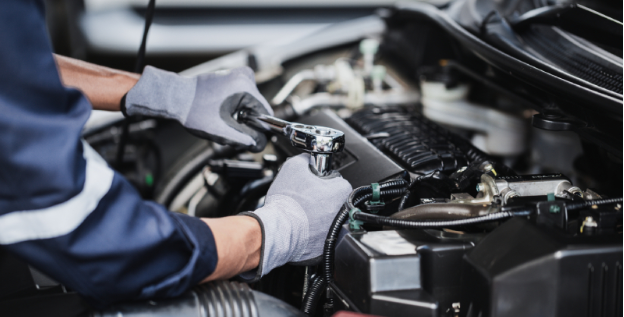
5 Benefits of Professional Car Repair
Owning a car means you need to take care of it regularly to keep it running smoothly. While some car repairs can be done at home, many problems are best handled by professional mechanics. Professional car repair services ensure that your car stays in top condition, helping you avoid further issues and making your driving experience safer. In this post, we will explore five benefits of choosing professional car repair services instead of trying to fix your car on your own. 1. Expert Knowledge and Experience One of the biggest advantages of professional car repair is the knowledge and experience that mechanics bring to the table. Professional mechanics have years of training and hands-on experience dealing with various car models and problems. Whether it’s an engine issue, a transmission problem, or something else, they can quickly diagnose the problem and know how to fix it correctly. 2. Proper Tools and Equipment When you take your car to a professional repair shop, they have the right tools and equipment to handle all kinds of repairs. Many car problems require specialized tools that most car owners don’t have. Using the wrong tools can lead to more damage, and sometimes the repair might not even work. Professional repair shops are equipped with high-quality tools that make the repair process faster and more accurate. This ensures that the job is done right the first time, saving you time and money in the long run. 3. Saves Time and Effort Repairing a car yourself can be very time-consuming. Even if you know a little about cars, there is a lot of trial and error involved in finding the problem and fixing it. Professional mechanics, on the other hand, can get straight to the issue and solve it efficiently. This means you won’t have to spend hours trying to figure out what’s wrong with your car or how to fix it. When you leave the repair to a professional, you can get back on the road faster, without the hassle of doing the work yourself. 4. Cost-Effective in the Long Run While professional car repairs might seem expensive at first, they can actually save you money in the long run. A professional mechanic can identify the problem early before it becomes a bigger issue. If left untreated, minor problems can develop into major repairs, which can cost much more. By fixing the problem early, you avoid paying for more expensive repairs down the line. Additionally, professionals can often get the right parts at lower prices, helping you save money on parts and labor. 5. Safety and Reliability The most important reason to choose professional car repair is safety. A well-maintained car is safer to drive, reducing the risk of accidents caused by mechanical failures. Professional mechanics not only fix the visible problems but also check for underlying issues that could affect the safety of your car. Whether it’s the brakes, tires, or suspension, they ensure that all critical systems are working properly. This means you can drive with peace of mind, knowing your car is in safe, reliable condition. Conclusion In conclusion, professional car repair offers several benefits that make it the best choice for car owners. From expert knowledge and the right tools to saving time and ensuring safety, professional mechanics help keep your car running smoothly and reliably. By choosing a professional repair service, you can avoid unnecessary stress, costly mistakes, and keep your car in the best possible condition.
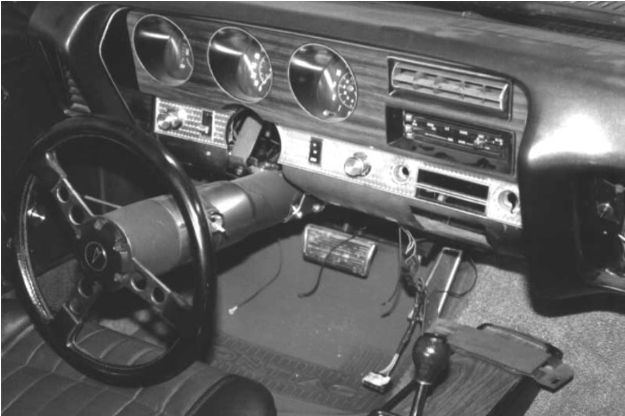
Benefits of 69 GTO Dash Pads for Restoration
Restoring a classic car like the 1969 Pontiac GTO is a rewarding experience. This muscle car is an icon of American automotive history. However, over time, parts of the car wear out, including the dashboard. One of the most important components of the dashboard is the dash pad. If you are restoring a 69 GTO, replacing the dash pad can make a big difference. A new dash pad improves the look of the interior, increases comfort, and helps maintain the car’s value. Restoring the Classic Look One of the main benefits of installing 69 GTO dash pads is that it restores the car’s original appearance. The dashboard is one of the first things people notice when they sit in a car. If the dash pad is cracked, faded, or damaged, it makes the interior look old and worn out. A new dash pad gives the dashboard a fresh and clean look, making the car feel like new again. It also helps keep the interior true to its original design, which is important for classic car enthusiasts. Improving Interior Comfort A good dash pad does more than just look nice; it also improves comfort inside the car. The dash pad is made of soft material that absorbs heat and reduces glare from the windshield. In hot weather, an old or cracked dash pad can become rough and uncomfortable. A new dash pad makes the dashboard smoother and more pleasant to touch. It also helps keep the car’s interior temperature cooler by preventing heat from building up on the dashboard. Protecting the Dashboard Structure Over time, exposure to sunlight, heat, and moisture can damage the dashboard. A cracked dash pad exposes the underlying structure of the dashboard to these elements, which can lead to further damage. Replacing the dash pad helps protect the dashboard from wear and tear. The new pad acts as a shield, preventing cracks from spreading and keeping the dashboard in good shape for a longer time. Increasing the Car’s Value Restoring a classic car is not just about making it look good—it is also about maintaining its value. Collectors and buyers look for cars that are in excellent condition, both inside and out. A well-maintained interior with a new dash pad increases the car’s overall value. If you ever decide to sell your 69 GTO, a fresh and undamaged dashboard will make your car more attractive to potential buyers. Easy Installation and Availability Many people worry about the difficulty of finding and installing replacement parts for classic cars. Fortunately, dash pads for the 69 GTO are widely available. They come in different colors and materials to match the original design. Most dash pads are designed for easy installation, so you do not need advanced mechanical skills to replace them. With the right tools and a little patience, you can install a new dash pad yourself and improve the look of your car in just a few hours. Conclusion Replacing the dash pad in a 69 GTO is a simple yet important step in restoring the car. A new dash pad brings back the classic look, improves comfort, protects the dashboard, and helps maintain the car’s value. It is also easy to install and widely available. Whether you are restoring your GTO for personal enjoyment or preparing it for sale, a new dash pad is a worthwhile investment.

What to Do When Your Vehicle Breaks Down: Key Services to Keep on Hand
Experiencing a vehicle breakdown can be stressful and disruptive. Whether you’re on a road trip or running errands, knowing how to handle a vehicle breakdown and what services to keep on hand can help you stay calm and safe. This guide will highlight essential services you should have access to when your vehicle breaks down. 1. Vehicle Repair: Ensuring Your Car’s Roadworthiness One of the most important services to keep on hand is vehicle repair services. It’s essential to have a reliable mechanic or auto repair service you can count on when things go wrong. Sometimes, a quick repair can get you back on the road within minutes, while other times, you may need a more extensive fix. Regular maintenance of your vehicle, such as checking the battery, tires, and engine, can help reduce the likelihood of a breakdown, but it’s still crucial to know where to turn in case a repair is needed unexpectedly. Keep the contact details of a trusted repair shop or roadside assistance program that can provide quick fixes and advice. Whether it’s a flat tire, engine issues, or electrical problems, a good vehicle repair service can quickly get you back on track. 2. Towing Services: Quick Response in Emergencies When your vehicle breaks down and cannot be fixed on the spot, towing services are essential. Towing companies provide assistance by transporting your vehicle to a nearby auto repair shop or safe location. Having the number of a reputable towing service in your phone or saved in your emergency contacts is vital. If you’re stranded in a remote area or during harsh weather conditions, towing services can ensure that your vehicle is safely moved to a location where repairs can be made. Make sure you choose a towing company that offers 24/7 emergency services, so you’re never left stranded. 3. Roadside Assistance: The First Line of Help Roadside assistance is one of the most helpful services to have when your vehicle breaks down. Many towing companies offer roadside assistance as part of their services, but there are also insurance companies and auto clubs that provide specialized plans. These services usually include tire changes, jump-starts, fuel delivery, and lock-out assistance. Roadside assistance programs are especially useful if you’re caught in a minor breakdown or need quick help until you can reach a repair shop. Having a roadside assistance plan can provide peace of mind knowing that help is just a phone call away. 4. Mobile Mechanic Services: On-the-Go Repairs Mobile mechanic services are another essential service to consider when your vehicle breaks down. These mechanics come directly to your location to diagnose and repair your vehicle on-site. While they may not be able to perform extensive repairs, they can handle smaller issues such as battery replacements, fluid top-ups, or tire changes. Mobile mechanics are a convenient option when you’re in a pinch, saving you the hassle of waiting for a tow truck or arranging for a ride to a shop. It’s a great service to have in case of a breakdown in a remote area or when you simply can’t afford to wait for your vehicle to be towed. 5. Rental Car Services: Getting Back on the Road If your vehicle needs significant repairs that will take time, you might need to consider renting a car while your vehicle is being fixed. Many auto repair shops or insurance providers offer rental car services as part of their package, so check if this is included in your insurance policy. Having access to a rental car can help minimize disruptions to your daily routine and allow you to continue working, running errands, or keeping appointments while your vehicle is in the shop. 6. Emergency Kit: Preparing for the Unexpected In addition to knowing who to call for services, it’s important to be prepared for a breakdown. Keep an emergency kit in your vehicle that includes essential items such as water, snacks, a flashlight, a first-aid kit, jumper cables, and basic tools. These items can help you manage the situation while waiting for assistance. Having an emergency kit not only helps you deal with minor vehicle issues but also ensures your safety while waiting for roadside assistance or a tow truck to arrive. Conclusion A vehicle breakdown is an inevitable part of car ownership, but being prepared can make the experience much less stressful. Whether you need vehicle repair services, towing assistance, or roadside support, having these services readily available can help get you back on the road with minimal hassle. Always keep emergency contact numbers, a roadside assistance plan, and an emergency kit in your vehicle to ensure you’re ready for whatever comes your way.

Top 4 Benefits of Professional Waste Oil Collection for Automotive Workshops
Automotive workshops handle a huge amount of used oil daily. They need to manage it safely and efficiently. When workshop owners improperly dispose of used oil, like pouring used oil down drains or tossing it in regular trash, it pollutes waterways and damages ecosystems. It can harm the environment, and sometimes, it can lead to regulatory penalties. That’s why many workshop owners are now considering professional waste oil collection services. These professionals specialize in managing and recycling used oil. When automotive businesses hand over the used oil to them, they can focus on their core operations. Here are some of the benefits of professional waste oil collection services for automotive workshops. 1. Enhanced Environmental Protection with Professional Waste Oil Collection Used oil can have adverse environmental impacts, which makes it necessary to manage it properly. However, when automotive workshops opt for specialized waste oil collection services, they can protect the environment efficiently. These professional services use environmentally responsible methods for handling and disposing of waste oil, and the risk of contamination with soil, air, and water decreases. They usually have all the equipment and expertise required to handle used oil. They sometimes recycle it for reuse. This way, they minimize the impact of used oil on the ecosystem. 2. Compliance with Legal Requirements Automotive workshops work with a lot of different wastes, which means they have a lot of different stuff to dispose of. There are some laws and regulations about environmental safety. Businesses like automotive workshops should comply with those legal requirements and regulations. With the help of professional waste oil collection services, these businesses can avoid any legal issues. It’s because professional services usually have the required licenses permits and licenses to handle and transport hazardous waste materials. They are well aware of all the regulations, which means they can handle the process according to the latest standards. This can significantly save automotive workshops from costly fines and legal complications. 3. Reduces Workplace Hazards and Improves Safety Used oils contain toxic chemicals and heavy metals that can harm the staff’s health if they are mishandled. Sometimes, the mechanics in automotive workshops store the used oil in makeshift containers or leaking tanks, which increases the risk of spilling. This spilled oil can be a cause of many other problems in the workplace, such as accidents due to slippery surfaces and fire hazards. However, professionals use oil collection services and spill-proof drums to collect the waste oil and securely transport it to the place of disposal or a recycling unit. This not only saves employees from hazards but also prevents cross-contamination in the workspace. 4. Resource Conservation and Recycling Mos of the professional waste oil collection services have the dedicated units to recycle and reprocess the waste oil to use it again. They can help to conserve valuable resources. Professionals usually collect waste oil efficiently, which increases the potential for recycling. When automotive workshops choose to collaborate with these collection services, they can avoid the traditional disposal methods. They can conserve and reuse the oil, which promotes a more sustainable approach to oil consumption.

Understanding TPO Flat Roofing: Key Advantages and Installation Tips
TPO (Thermoplastic Olefin) flat roofing is a popular choice for commercial and residential buildings due to its durability, energy efficiency, and cost-effectiveness. Roofing contractors often recommend TPO flat roofing for its numerous benefits, including easy installation and long-term performance. In this article, we will explore the key advantages of TPO flat roofing and provide essential installation tips for those considering this roofing option. What is TPO Flat Roofing? TPO flat roofing is a single-ply membrane roofing system that combines polypropylene and ethylene-propylene rubber. This combination offers a roofing material that is both flexible and durable, making it ideal for flat and low-slope roofs. TPO membranes are heat-welded at the seams, providing a seamless, watertight finish that enhances the roof’s overall performance. The versatility of TPO flat roofing makes it suitable for a range of buildings, from commercial spaces to residential properties. Its reflective surface helps reduce energy costs by reflecting UV rays, which keeps the building cooler during hot months. Key Advantages of TPO Flat Roofing 1. Energy Efficiency One of the most notable advantages of TPO flat roofing is its energy efficiency. The reflective surface of TPO membranes reflects sunlight, reducing heat absorption and lowering cooling costs. This feature is particularly beneficial for buildings in hot climates, where air conditioning costs can be high. TPO roofing helps maintain a comfortable indoor temperature while minimizing the building’s energy footprint. 2. Durability and Longevity TPO flat roofing is known for its impressive durability. The material is resistant to ultraviolet (UV) rays, ozone, and chemical exposure, which can otherwise cause damage to less robust roofing systems. TPO membranes are also highly resistant to punctures, tears, and impact, making them suitable for both commercial and residential applications. With proper maintenance, TPO roofs can last 20 years or more. 3. Cost-Effective Compared to other roofing materials such as PVC or EPDM, TPO flat roofing offers a more affordable option without compromising on quality. The material is typically more budget-friendly for both installation and maintenance. Additionally, its energy-efficient properties can lead to significant savings on energy bills over time. 4. Environmentally Friendly TPO is a recyclable material, making it an environmentally friendly choice for eco-conscious property owners. The roofing system’s ability to reflect sunlight also contributes to reducing the building’s carbon footprint by minimizing the need for excessive air conditioning. 5. Ease of Installation TPO flat roofing is easier and quicker to install compared to traditional roofing systems. Roofing contractors can weld the seams together, creating a strong, watertight bond without the need for adhesives. This reduces installation time and labor costs, making it an attractive option for those seeking a fast and reliable roofing solution. Installation Tips for TPO Flat Roofing 1. Hire Experienced Roofing Contractors While TPO flat roofing is known for its ease of installation, it is still crucial to hire experienced roofing contractors. Proper installation ensures that the seams are correctly welded, and the membrane is fitted securely, preventing potential leaks or premature damage. Roofing contractors familiar with TPO systems will ensure that the roof is installed to the highest standards, providing you with optimal performance and longevity. 2. Prepare the Roof Surface Before installation, the roof surface must be thoroughly cleaned and prepared. Any debris, dirt, or old roofing material must be removed to ensure proper adhesion and prevent issues during the installation process. Roofing contractors will assess the surface and make any necessary repairs before installing the TPO membrane. 3. Consider the Roof’s Drainage System Proper drainage is crucial for the longevity of any flat roofing system, including TPO flat roofing. Ensure that your roofing contractor evaluates and, if necessary, improves the roof’s drainage system. Pooling water on a flat roof can lead to premature wear and tear, so proper slope and drainage channels must be in place. 4. Choose the Right Thickness and Color TPO membranes come in various thicknesses and colors. The thickness of the material can affect its durability and insulation properties, so it’s essential to choose the right option based on the building’s needs. Lighter-colored TPO membranes offer enhanced reflectivity, further improving energy efficiency. 5. Regular Maintenance and Inspections Although TPO flat roofing is low-maintenance, it is still essential to schedule regular inspections to ensure the roof remains in good condition. Roofing contractors can check for signs of wear, such as cracks or punctures, and perform minor repairs before problems escalate. Conclusion TPO flat roofing offers a range of benefits, including energy efficiency, durability, cost-effectiveness, and environmental friendliness. By choosing experienced roofing contractors and following the proper installation steps, property owners can enjoy a reliable and long-lasting roof that provides excellent protection and cost savings. Whether for a commercial or residential building, TPO flat roofing is a smart choice for those seeking an effective and affordable roofing solution.

The Importance of Estate Planning and Wealth Transfer
You’ve worked hard, saved up, and now have a personal loan of ₹25 lakh for your dream home or business. But what happens if something unforeseen occurs? Without proper planning, your family could face endless legal battles, taxes, and financial strain. Creating a clear will under the Indian Succession Act can prevent such issues, ensuring your wishes are followed and saving on legal fees. Let’s say your estate is worth ₹1 crore. If no will exists, your family could lose up to ₹10 lakh in court fees and taxes, depending on the state laws. However, with strategic planning, you could save most of this, ensuring your family’s security. What is Estate Planning? Estate planning is not just for the ultra-rich. It’s for everyone with assets. Whether you own a home, have savings, or even a ₹25 lakh personal loan, an estate plan ensures your wishes are honoured after you’re gone. Let’s break it down with a question: If you suddenly weren’t around, who would repay your ₹25 lakh personal loan? Without a plan, the burden could fall on your family. However, a proper will or trust can allocate funds to handle such liabilities without hassle. Benefits of Estate Planning Planning your estate offers several advantages: Save on taxes: With smart strategies, you could minimise estate taxes by up to 40%. Avoid court delays: Probate can take years without a plan, causing stress for your loved ones. Secure your family’s future: Ensure financial support for your spouse, children, or dependents. Here’s a simple example: Scenario Without a Will With a Will Probate cost (₹) ₹5,00,000 ₹50,000 Estate taxes (₹) ₹10,00,000 ₹3,00,000 Time taken (months) 24 6 Family stress level High Minimal Wealth transferred (₹) ₹85,00,000 ₹96,50,000 This shows how planning can save your family both time and money. Wealth Transfer: Steps to Protect Your Legacy When it comes to transferring wealth, timing and strategy matter. Consider these six practical steps: Draft a will: It’s the simplest and most important tool. Create trusts: Useful for large estates or specific instructions. Gift during your lifetime: You can gift up to ₹50,000 tax-free annually. Nominate beneficiaries: Don’t forget insurance, fixed deposits, or EPF accounts. Plan for digital assets: Include online accounts, cryptocurrency, or intellectual property. Communicate openly: Let your heirs know about your plans. These actions ensure clarity and avoid disputes later. Common Mistakes to Avoid Many people make costly mistakes while planning their estates. Let’s address them: Ignoring updates: Life changes—marriage, kids, or divorce. Update your documents. Forgetting digital assets: Include passwords, social media, or crypto in your will. Overlooking debts: Ensure liabilities, like a 5 lakh personal loan, are accounted for. No emergency fund: Your family shouldn’t dip into savings for urgent legal fees. The Role of Professionals in Estate Planning Estate planning isn’t a DIY task. Laws are complicated. A good lawyer or financial planner will help you save taxes, manage liabilities, and ensure every legal loophole is covered. Let’s take the example of a ₹1 crore estate. With professional advice, you could structure assets into trusts or investments, reducing taxes from ₹10 lakh to ₹3 lakh. Isn’t that worth it? Steps to Start Your Estate Plan Feeling overwhelmed? Don’t worry. Follow these steps: List all your assets and debts. Write down your goals—who gets what, and when. Draft a simple will to start. Review state-specific laws. Seek professional advice for complex assets. Revisit your plan every three years or after major life changes. The earlier you start, the more peace of mind you’ll gain. Conclusion: Act Today to Protect Tomorrow What’s more important than safeguarding your family’s future? With the right plan, you can reduce liabilities, handle a ₹25 lakh personal loan without stress, and ensure your wealth is passed on smoothly. Don’t wait for tomorrow. Consult an estate planning expert today and start securing your legacy. FAQs How much does estate planning cost in India? Typically between ₹10,000 and ₹50,000, depending on complexity. What happens if I don’t have a will? Your assets will be distributed as per state laws, which may not align with your wishes. Can I include my loans in estate planning? Yes. Provisions can be made for liabilities like a ₹25 lakh personal loan. What is the difference between a will and a trust? A will takes effect after death, while a trust can manage assets during your lifetime.

Exploring the Importance of SEO Audits and Reports in Digital Marketing Strategies
In a constantly evolving digital world that is constantly changing, and businesses seek to increase their online visibility and engage with their customers Search engine optimization (SEO) has become more important. One of the essential elements of an effective SEO strategy is performing regular SEO audits and preparing thorough reports. Audits can provide valuable insight into the performance of a website and help identify areas that could be improved and, ultimately, aid in achieving the goals of digital marketing. This article explains the importance of SEO report audits as well as reports. It also outlines the processes required and the strategies to use these audits effectively. What is an SEO Audit? An SEO Audit Service is a thorough review of a website’s state of optimization for search engines. It analyzes the different elements that affect a website’s visibility and performance on search engine result webpages (SERPs). The audit focuses on the technical aspects, content on-page and off-page aspects as well as user experience and overall web presence. Through the analysis of these elements, companies can determine which elements work best and what can be improved to improve the SEO efficiency of their business. The Importance of SEO Audits and Reports 1. Identifying Areas for Improvement One of the major advantages when doing the SEO audit is it reveals areas that require improvement. It doesn’t matter if it’s speeding up your site or optimizing meta tags, fixing broken links, or improving the user experience on mobile devices An audit can provide concrete insights. When you understand the shortcomings, companies can better focus their efforts and better allocate their resources, and improve the overall effectiveness of their SEO strategies. 2. Measuring SEO Performance SEO audits are essential in assessing and measuring the performance of a website. By analyzing important performance indicators (KPIs) like bounce rates, organic traffic, and conversion rates, businesses can assess how their SEO strategies are performing. Monitoring the website regularly helps monitor developments over time, which allows the optimization of strategies based on what data indicates. 3. Understanding Competitor Landscape An SEO audit also sheds light on competitor strengths and weaknesses. Through analyzing competitors’ websites, companies can determine which keywords they rank on their backlink profiles and their overall strategies. Knowing this information allows companies to spot areas to improve their offerings and differentiate themselves. 4. Enhancing User Experience SEO isn’t only about search engines, it’s equally about delivering a pleasant user experience. An SEO review examines the quality of the site was designed to allow for user-friendly navigation as well as load times, mobile-friendlyness as well as overall quality of the content. Through optimizing these areas users are more likely to enjoy a better experience, which will result in longer dwell times and lower bounce rates. This will positively affect the SEO ranking. 5. Keep Up With SEO’s Best Practices SEO is a rapidly changing area, and search engine algorithms are constantly changing. Regular SEO audits allow businesses to remain informed of the most recent SEO developments and best practices. By reviewing your SEO practices, companies can adjust to the changing algorithm as well as ensure their strategies remain effective and compliant. 6. Establishing a Baseline for Future Strategies The process of conducting an SEO audit can provide a base to help businesses develop their digital marketing strategies for the future. When documenting the outcomes from the inspection, businesses can establish a strategy for continuous enhancements. This document serves as a basis to measure success in the future, since companies can review the results of subsequent audits to assess the effectiveness of their efforts. Steps Involved in Conducting an SEO Audit 1. Technical SEO Analysis This includes checking the technical components of a website such as mobile responsiveness, site speed URL structure Secure connections (HTTPS), and sitemap capabilities. Tools such as Google PageSpeed Insights and GTmetrix are great resources for this stage. 2. On-Page SEO Evaluation Evaluation evaluates title tags, Meta descriptions header tags, and the use of keywords within the content. It could also look at the content for duplication, quality of content, and whether optimization is in line with the user’s intent. 3. Off-Page SEO Check Off-page evaluations look at the profile of backlinks on the website which includes the quantity and quality of backlinks. Examining this aspect can provide insight into the authority of the site and its prominence in the field. 4. User Experience and Design Assessment This stage evaluates the website’s usability navigation, design as well as overall engagement measures. Assessing how easily users can navigate the website directly affects their potential to convert. 5. Performance Tracking The tracking of relevant KPIs like organic traffic, keywords ranking, bounce rate as well as conversion rate, can help companies understand the results of their SEO efforts over time. Best Practices for Leveraging SEO Audits and Reports 1. Schedule Regular Audits Create a plan to conduct SEO audits, be it quarterly or bi-annually. Regular audits will ensure that any problems that arise are addressed promptly and strategies are in line with current best practices. 2. Document Findings and Action Items Document in detail the findings of the audit that include both positive findings as well as areas to improve. Specific action items should be listed and assigned roles for team members to ensure accountability. 3. Implement Changes Gradually While it is tempting to implement a variety of changes resulting from an audit all in a single go, implementing them gradually will allow for a better analysis of results and lower the risk of affecting the site’s functionality. 4. Communicate Results to Stakeholders Reports and findings should be shared with relevant stakeholders, ensuring everyone is aware of the objectives as well as the challenges and solutions. This understanding helps to foster collaboration and support for future initiatives. 5. Adapt and Evolve SEO isn’t a one-time effort. You must be prepared to adapt to changing patterns, algorithms, and user behavior. Audits can help guide marketing strategies and pivot if needed. Conclusion SEO Audits, reports and reviews are