

Commercial trucks are the backbone of many industries, from logistics and construction to retail distribution. When a truck breaks down, it can delay deliveries, increase costs, and affect customer satisfaction. This is where onsite truck repair services play an important role. Instead of towing a broken vehicle to a workshop, skilled technicians come directly to the location and fix the issue on the spot. This approach helps businesses stay productive and reduces unnecessary downtime, making operations smoother and more efficient. The Importance of Quick Repairs for Commercial Trucks In the transport industry, time is very valuable. Even a small delay can affect an entire supply chain. When a truck stops working on the road or at a job site, waiting for a garage appointment can take hours or even days. Onsite truck repair helps solve this problem by providing fast response times. By using onsite truck repair, companies can quickly get their vehicles back on the road without long waiting periods. This reduces disruptions and ensures that deliveries and services continue with minimal delay. Quick repairs also help prevent small issues from turning into bigger mechanical failures. How Onsite Truck Repair Services Work Onsite truck repair services are designed to bring the workshop directly to the vehicle. When a driver reports a problem, a mobile repair team is sent to the location with necessary tools and equipment. These technicians are trained to diagnose and fix a wide range of issues on the spot. Most mobile repair units are equipped to handle engine problems, brake issues, battery failures, tire replacements, and electrical faults. Instead of transporting the truck to a service center, the repair is completed where the breakdown occurs. This convenience makes onsite truck repair a practical solution for busy fleet operators. Reducing Downtime and Improving Productivity One of the biggest advantages of onsite truck repair is the reduction in downtime. When a truck is off the road, it is not earning money for the business. Every hour of delay can lead to lost income and missed deadlines. With onsite services, repairs are done quickly, often within a few hours depending on the issue. This allows drivers to resume their routes without major interruptions. For fleet managers, this means better control over schedules and improved overall productivity. Keeping vehicles running efficiently helps maintain strong business performance. Cost Benefits for Fleet Owners Onsite truck repair services can also help reduce overall maintenance costs. Towing a large commercial vehicle to a workshop can be expensive, especially if the breakdown happens far from a service center. Onsite repair eliminates the need for towing in many cases. In addition, fast repairs help prevent further damage to the vehicle. When small issues are fixed early, they do not develop into costly mechanical failures. This helps fleet owners save money on long-term repairs and reduces unexpected expenses. Over time, onsite services contribute to more cost-effective vehicle management. Supporting Safety and Reliability on the Road Safety is a major concern in the trucking industry. A poorly maintained vehicle can pose risks not only to the driver but also to others on the road. Onsite truck repair helps ensure that vehicles remain in safe working condition by addressing issues as soon as they occur. Regular and quick repairs improve vehicle reliability and reduce the chances of sudden breakdowns during long trips. This creates a safer working environment for drivers and builds trust in transportation services. Reliable trucks also help companies maintain their reputation for timely and safe deliveries. Conclusion Onsite truck repair services have become an essential part of modern fleet management. By offering quick, convenient, and efficient solutions, they help reduce downtime, lower costs, and improve overall productivity. These services ensure that commercial vehicles stay on the road where they are needed most. For businesses that rely on transportation, onsite truck repair is a smart and practical solution that keeps operations running smoothly and safely.

Essential Tips for Selecting High-Quality Diesel Parts and Accessories for Long-Term Reliability
Diesel engines are known for their strength, durability, and ability to handle heavy workloads. However, their performance largely depends on the quality of the components used in them. Choosing the right diesel parts and accessories is not just about keeping the engine running, but also about ensuring long-term reliability, safety, and efficiency. With so many options available in the market, it becomes important to know what to look for before making a purchase. A careful and informed choice can save you from frequent repairs and unnecessary expenses in the future. Understanding Quality Standards in Diesel Parts and Accessories When selecting diesel parts and accessories, the first thing to consider is whether they meet proper quality standards. High-quality parts are usually manufactured according to strict industry guidelines, ensuring they can handle pressure, heat, and continuous use. Certified components are tested for performance and safety, which reduces the risk of sudden breakdowns. It is always better to choose parts that come with manufacturer certification or quality assurance labels. This gives you confidence that the product will perform reliably under different working conditions. Checking Compatibility with Your Engine One of the most common mistakes people make is buying parts that are not fully compatible with their engine model. Even small differences in specifications can lead to poor performance or damage over time. Before purchasing any diesel parts and accessories, it is important to check the engine model, year, and technical requirements. A well-matched part ensures smooth operation and reduces strain on the engine. Taking time to confirm compatibility can help you avoid costly repairs and extend the life of your vehicle or machinery. Importance of Material and Build Quality The durability of diesel components depends heavily on the materials used in their construction. Strong metals, heat-resistant alloys, and precision engineering all contribute to better performance and longer life. Low-quality materials may seem cheaper at first, but they often wear out quickly and can cause serious engine issues. When evaluating diesel parts and accessories, pay attention to how they are made and what materials are used. A well-built part not only improves engine efficiency but also ensures consistent performance under heavy loads and tough conditions. Choosing Reliable Suppliers and Maintenance Considerations Selecting the right supplier is just as important as choosing the right product. Trusted suppliers usually offer genuine diesel parts and accessories with proper warranties and customer support. They are more likely to provide accurate information and help you choose the right components for your needs. In addition, regular maintenance plays a key role in long-term reliability. Even high-quality parts require proper care, cleaning, and timely replacement when needed. Working with reliable sources and maintaining your engine properly ensures steady performance and reduces the chances of unexpected failures. Conclusion Selecting high-quality diesel components requires attention, knowledge, and careful decision-making. By focusing on quality standards, compatibility, material strength, and trusted suppliers, you can ensure that your diesel parts and accessories perform efficiently for a long time. A smart choice today not only improves engine performance but also saves money and effort in the long run. Proper selection and maintenance work together to keep your diesel engine reliable, powerful, and ready for demanding tasks.

How Vehicle Roof Racks Can Make Your Travel More Convenient and Organized
Traveling becomes much easier and more enjoyable when you have enough space for all your luggage and equipment. A vehicle roof rack is one of the simplest and most effective solutions for increasing storage space in your car. It helps you carry extra items safely on the roof, leaving more room inside the vehicle for passengers and comfort. Whether you are going on a family trip, camping adventure, or long road journey, a vehicle roof rack can make a big difference in how organized and stress-free your travel experience is. What a Vehicle Roof Rack Is and Why It Matters A vehicle roof rack is a mounted storage system installed on the top of a car. It is designed to hold luggage, sports gear, travel bags, and other items that may not fit inside the vehicle. The main purpose of a vehicle roof rack is to create extra storage space without affecting passenger comfort. It matters because most cars have limited trunk space, especially when traveling with family or carrying large items. Instead of overcrowding the seats or trunk, a vehicle roof rack allows you to distribute weight more efficiently. This makes your journey more comfortable and keeps the inside of the car neat and spacious. Better Use of Space During Travel One of the biggest benefits of a vehicle roof rack is that it helps you make better use of available space. When you pack for a trip, you often realize that your luggage is more than what your car can handle. A vehicle roof rack solves this problem by giving you an additional storage area on top of your car. This means you can carry more bags, tents, sports equipment, or even travel boxes without compromising seating space. Passengers can sit comfortably without luggage placed at their feet or between seats. As a result, long drives become more relaxing and less crowded. Keeping Your Vehicle Organized and Comfortable A vehicle roof rack also helps in keeping your vehicle organized. When everything is placed inside the car, it can quickly become messy and uncomfortable. Bags stacked inside the cabin can block movement and reduce leg space. With a vehicle roof rack, you can store bulky or less frequently used items on top, keeping the interior clean and organized. This improves the overall travel experience. Drivers can focus better on the road without distractions caused by shifting luggage inside the car. Passengers also enjoy more personal space, making the journey smoother and more pleasant for everyone. Ideal for Different Types of Trips A vehicle roof rack is useful for many different types of travel. It is especially helpful for road trips, camping, beach visits, and family vacations. People who enjoy outdoor sports also benefit from it, as it can carry items like bicycles, kayaks, or camping gear. Even for short trips, a vehicle roof rack can be useful when you need to transport extra luggage or large items. It provides flexibility, making your vehicle more versatile for different situations. This is why many travelers consider it an essential accessory for their cars. Choosing the Right Vehicle Roof Rack When selecting a vehicle roof rack, it is important to choose one that fits your vehicle type and travel needs. A strong and durable rack ensures safety while driving, especially on long routes or rough roads. It should also be easy to install and remove when needed. You should consider the weight capacity as well, as every vehicle roof rack has a limit. Choosing the right design and material will help ensure that your luggage stays secure throughout the journey. Conclusion A vehicle roof rack is a simple yet highly effective travel accessory that improves convenience and organization during trips. It provides extra storage space, keeps the vehicle interior clean, and enhances overall comfort for passengers. Whether you travel occasionally or frequently, investing in a vehicle roof rack can make your journeys smoother, more organized, and far more enjoyable.

Insurance Tips for Sports Car Rentals
Renting a sports car can be an exciting experience. Whether you are driving a high-performance vehicle for a vacation, special event, or weekend getaway, it is important to understand the insurance requirements before getting behind the wheel. Sports cars are often more valuable than standard vehicles, which means insurance plays a major role in protecting both the driver and the rental company. Knowing a few key insurance tips can help you avoid unexpected costs and enjoy your rental with confidence. Review Your Personal Auto Insurance Before renting a sports car, check your personal auto insurance policy. Some policies may provide coverage for rental vehicles, while others may have limitations for luxury or high-performance cars. Contact your insurance provider and ask what is covered before making a reservation. Understanding your policy ahead of time can help prevent surprises if an accident or damage occurs during the rental period. Understand the Rental Company’s Coverage Every rental company has its own insurance requirements and coverage options. Some companies include basic protection in the rental agreement, while others offer optional coverage plans for an additional fee. Take the time to review the available options and ask questions if anything is unclear. Knowing exactly what is covered can help you make an informed decision. Check Your Credit Card Benefits Some credit cards offer rental car insurance as a benefit when the rental is paid for with the card. However, coverage varies by card issuer and may not apply to sports cars, luxury vehicles, or exotic models. Always contact your credit card company to verify the details before relying on this coverage. Know the Deductible Amount If insurance coverage applies, it is important to understand the deductible. A deductible is the amount you may need to pay out of pocket before insurance covers the remaining costs. Knowing this amount can help you prepare financially and decide whether additional coverage is worth considering. Inspect the Vehicle Before Driving Before leaving the rental location, carefully inspect the vehicle for any existing damage. Take photos or videos and report any issues immediately. This can help avoid damage disputes when the car is returned. Drive Responsibly The best way to avoid insurance claims is to drive safely. Follow traffic laws, avoid risky behavior, and become familiar with the vehicle’s performance before driving at higher speeds. Responsible driving protects both you and the vehicle. At PG Luxury Services, we want every sports car rental experience to be enjoyable and stress-free. We help customers understand insurance requirements, rental policies, and coverage options before they drive. We are committed to providing premium vehicles, clear information, and outstanding service so our customers can enjoy the road with confidence and peace of mind. This post was written by a professional at PG Luxury Services. Turn heads at https://pgluxuryservices.com/ and elevate your driving experience with our premium luxury car rentals. From the sleek lines of a Ferrari to the raw power of a Lamborghini or the refined elegance of a Bentley, we offer top-tier vehicles for any occasion. Whether you’re celebrating something special, taking a weekend trip, or simply want to ride in style, we’ve got you covered. Serving St. Pete, Clearwater, Orlando, and surrounding areas, we bring the ultimate in luxury and performance right to you. Contact us today for the best exotic and luxury car rentals near you!

Comprehensive Guide to Equipping Your Vehicle for Every Road Challenge
Preparing your vehicle for various driving conditions and unforeseen obstacles is a hallmark of a responsible driver. Whether you are navigating rugged off-road terrain, embarking on a cross-country expedition, or managing daily commutes in unpredictable weather, having the right equipment and knowledge is essential. A well-equipped vehicle not only ensures your safety but also provides the peace of mind necessary to handle any mechanical or environmental hurdle. Here are five essential strategies to ensure your vehicle is ready for every challenge the road might present. 1. Optimize Stability with a Professional Towbar Fitting Service For those who utilize their vehicles for hauling trailers, boats, or additional storage units, the strength of the connection is vital. Utilizing a professional towbar fitting service ensures that the mounting is structurally sound and specifically engineered for your vehicle’s make and model. A high-quality towbar fitting service guarantees that the weight distribution remains balanced, which is crucial for maintaining steering control and braking efficiency during transit. Proper installation prevents the dangerous swaying and mechanical stress that can occur with substandard equipment, keeping you and your cargo secure. 2. Invest in High-Performance All-Terrain Tires The point of contact between your car and the road is perhaps the most important factor in vehicle handling. Standard tires may struggle with heavy mud, deep snow, or loose gravel. Upgrading to all-terrain tires provides deeper tread patterns and reinforced sidewalls designed to grip uneven surfaces while maintaining a quiet ride on asphalt. Regularly checking tire pressure and tread depth ensures that you have maximum traction when you need it most, allowing you to traverse difficult paths without the risk of getting stuck or losing control. 3. Ensure Reliability with Professional Tow Truck Services Even the most meticulously maintained vehicles can encounter unexpected electrical failures or structural damage due to external factors. Establishing a relationship with reputable tow truck services before an emergency occurs is a vital part of your preparedness plan. Reliable tow truck services provide a safety net, ensuring that if you are stranded in a remote area or a high-traffic zone, you have a professional way to transport your vehicle to a repair facility. Knowing exactly who to call reduces stress during a breakdown and prevents you from making risky decisions while trying to move a disabled car. 4. Implement a Robust Emergency Recovery Kit Every vehicle should be stocked with a dedicated recovery kit designed to handle minor repairs and survival situations. This kit should include high-quality jumper cables, a portable tire inflator, a basic toolkit, and a heavy-duty tow strap. Additionally, include safety items such as reflective triangles, a high-visibility vest, and a reliable flashlight with extra batteries. Having these tools readily available allows you to perform small fixes or remain visible to other drivers while waiting for assistance, significantly reducing the risks associated with roadside stops. 5. Upgrade Lighting for Maximum Visibility Standard headlights are often insufficient for navigating dense fog, heavy rain, or pitch-black rural roads. Upgrading to high-intensity LED or HID bulbs can significantly improve your field of vision and reaction time. For those who frequently drive in extreme conditions, adding auxiliary fog lights or a light bar can illuminate hazards on the periphery that standard beams might miss. Enhanced lighting not only helps you see the road clearly but also ensures that your vehicle is easily spotted by other motorists, which is a key factor in preventing multi-vehicle incidents.

The Vital Role of a Motorcycle Repair Shop in Preventing Mechanical Escalation
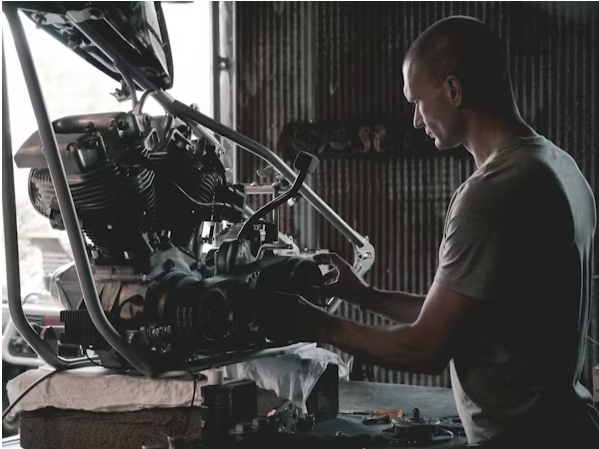
Maintaining a two-wheeled vehicle involves a proactive approach to mechanical care that goes beyond addressing obvious breakdowns. Many riders make the mistake of ignoring subtle changes in performance, assuming that small noises or slight vibrations are merely part of the aging process. However, these minor symptoms are often the early warning signs of more significant underlying problems. A professional technician is trained to identify and rectify these small discrepancies during routine inspections. By intervening early, a service facility ensures that your machine remains reliable and safe, preventing a domino effect of mechanical failures that could result in extremely expensive repairs or hazardous road conditions. Early Detection of Fluid Leaks and Degradation One of the most common minor issues involves slow leaks from gaskets or seals. During a standard motor cycle repair session, a mechanic will look for traces of oil, coolant, or brake fluid in areas that are typically difficult for a rider to see. Catching a weeping seal early prevents the loss of critical lubrication, which could otherwise lead to engine overheating or total seizure. Replacing a simple rubber seal is a cost-effective measure that protects the most expensive components of your powertrain from catastrophic damage. Monitoring Brake Pad Wear and Hydraulic Integrity Braking systems often show signs of wear long before they fail completely. A slight sponginess in the lever or a high-pitched squeal indicates that the friction material is thinning or that air has entered the hydraulic lines. When you seek a motorcycle repair for these symptoms, the technician can replace pads and flush the lines immediately. This prevents the metal backing plates from grinding against the expensive rotors, saving you from a much more substantial repair bill while ensuring your stopping power remains consistent. Adjusting Chain Tension and Drive Belt Alignment The drive system is responsible for transferring power from the engine to the rear wheel, and it is subject to constant stress. Over time, chains stretch and belts can become misaligned, which causes premature wear on the sprockets or pulleys. A specialist performing a motorcycle repair will check for proper tension and lubrication. Correcting these minor alignment issues prevents the chain from snapping or jumping off the sprocket, a situation that could cause the rear wheel to lock up during a high-speed journey. Identifying Electrical Parasites and Battery Health Modern motorcycles rely heavily on stable electrical systems to manage fuel injection and ignition. A minor issue, such as a loose ground wire or a slightly corroded battery terminal, can lead to intermittent starting problems or the failure of electronic sensors. Technicians use specialized diagnostic tools to check the charging system and battery voltage. Addressing these small electrical glitches early ensures that you are never stranded with a dead battery and that the sensitive on-board computer remains protected from unexpected power surges. Precision Tuning of the Fuel Delivery System Small fluctuations in idling or a slight hesitation during acceleration often point toward a clogged fuel filter or a dirty injector. While the bike may still be ridable, the engine is not operating at its optimal efficiency. A professional workshop will clean the fuel system and inspect the air intake for obstructions. This minor intervention improves throttle response and fuel economy, preventing the buildup of carbon deposits on the valves that would eventually require a complete top-end engine rebuild.
Maintenance Discipline and Professional Support for Long-Term Heavy Vehicle Performance
Big vehicles—such as lorries, construction trucks, and commercial transport units—are built for durability, but they demand consistent and disciplined care. Their size, load capacity, and constant usage expose them to higher levels of stress than standard vehicles. Proper maintenance is not optional; it is essential for safety, efficiency, and cost control. By combining routine checks with specialised services such as heavy duty truck alignment and skilled mechanic support, owners can ensure long-term reliability and reduced operational disruption. Routine Inspections as a Daily Standard The foundation of heavy vehicle care lies in frequent inspections. Checking tires, brakes, suspension systems, lights, and fluid levels should become a routine habit rather than an occasional task. Daily walk-around inspections help identify visible damage, leaks, or wear before they escalate. Early detection prevents breakdowns on the road and reduces the likelihood of expensive emergency repairs. Consistency in inspection is one of the most effective ways to maintain operational readiness. Heavy Duty Truck Alignment for Stability Alignment plays a critical role in the performance of large vehicles. Heavy duty truck alignment ensures that wheels are properly positioned to maintain balance, steering control, and even tire wear. Poor alignment can lead to uneven tire degradation, reduced fuel efficiency, and difficulty in handling the vehicle. Over time, this not only increases operating costs but also compromises safety. Regular alignment checks, especially after long-distance travel or heavy loads, help maintain stability and extend the lifespan of tires and suspension components. Engine and Transmission Maintenance The engine and transmission systems in big vehicles operate under intense conditions. Regular oil changes, filter replacements, and fluid checks are essential to keep these systems functioning efficiently. Monitoring for unusual noises, vibrations, or performance drops allows for early intervention. Addressing these issues promptly prevents major failures and ensures that the vehicle remains reliable during demanding operations. Working with a Skilled Mechanic A qualified mechanic is an indispensable part of maintaining heavy vehicles. Professional mechanics bring the expertise required to diagnose complex issues, perform accurate repairs, and recommend preventative measures. Regular servicing by a trusted mechanic ensures that all systems—from braking to electrical components—are functioning correctly. Their insight also helps in planning maintenance schedules, reducing unexpected downtime and improving overall vehicle performance. Tire and Brake System Care Tires and brakes are among the most critical safety components in any large vehicle. Regularly checking tire pressure, tread depth, and wear patterns ensures optimal grip and fuel efficiency. Brake systems must be inspected frequently to ensure they can handle the weight and demands of heavy loads. Worn brake pads or faulty systems can lead to serious safety risks, making timely maintenance essential. Load Management and Driving Practices Proper load distribution is crucial for maintaining vehicle health. Uneven or excessive loads place strain on the suspension, tires, and braking systems, leading to premature wear. Careful driving practices, including smooth acceleration and controlled braking, also contribute to reducing stress on mechanical components. Responsible handling extends the lifespan of the vehicle and enhances safety on the road. Cleanliness and Corrosion Prevention Keeping heavy vehicles clean helps prevent corrosion and allows for easier identification of damage or leaks. Dirt and debris can hide issues that, if left untreated, may lead to structural problems. Regular cleaning, especially after exposure to harsh weather or construction environments, preserves both appearance and functionality. Structured Maintenance for Long-Term Performance Taking care of big vehicles requires a disciplined and structured approach. Routine inspections, proper alignment, professional mechanic support, and consistent maintenance all contribute to reliable performance. By focusing on these key areas, owners ensure that their vehicles remain safe, efficient, and capable of handling demanding workloads over time.

How Commercial Vehicle Repairs Ensure Your Fleet Runs Smoothly Year-Round
Managing a fleet of commercial vehicles comes with a lot of responsibilities. From delivery trucks to service vans, keeping your vehicles in good condition is crucial for business efficiency and safety. Regular maintenance and timely repairs help prevent unexpected breakdowns and keep your operations running smoothly. One of the key ways to ensure this is through professional commercial vehicle repair services. The Importance of Regular Vehicle Maintenance Regular maintenance is the foundation of a smoothly running fleet. Vehicles that are not serviced on time are more likely to develop mechanical issues that can lead to costly downtime. Commercial vehicle repair professionals perform routine inspections to check brakes, engines, tires, and other critical components. By identifying potential problems early, these experts can prevent minor issues from turning into major repairs that could halt your business operations. Routine maintenance also ensures that your vehicles remain compliant with safety and regulatory standards. For businesses that rely on timely deliveries or transport services, avoiding penalties and fines is as important as ensuring employee and public safety. Through scheduled maintenance, commercial vehicles can consistently meet these standards and operate without interruption. How Commercial Vehicle Repair Reduces Downtime Downtime is one of the biggest challenges for businesses with large fleets. Every hour a vehicle is out of service can lead to lost revenue and dissatisfied customers. Professional commercial vehicle repair services help minimize downtime by offering quick and effective solutions. Skilled technicians use advanced diagnostic tools to identify problems accurately and perform repairs efficiently. In addition, many commercial repair providers offer emergency repair services. This ensures that even if a vehicle breaks down unexpectedly, it can be back on the road quickly. The ability to address issues promptly is essential for businesses that rely heavily on timely transportation, such as delivery companies or logistics providers. Extending the Lifespan of Your Fleet Investing in commercial vehicle repair is also an investment in the longevity of your fleet. Regular servicing and timely repairs prevent excessive wear and tear on key vehicle components. Engines, transmissions, and other vital parts last longer when they are properly maintained, reducing the need for frequent replacements. This not only saves money in the long run but also improves the overall reliability of your vehicles. When your fleet is consistently in good working condition, your team can focus on completing tasks efficiently without worrying about mechanical failures. Improving Safety and Performance Safety is a major concern for any commercial fleet. Vehicles that are poorly maintained are more likely to be involved in accidents due to brake failure, tire blowouts, or engine malfunctions. Commercial vehicle repair services play a crucial role in keeping your fleet safe for both drivers and other road users. Moreover, well-maintained vehicles perform better on the road. Smooth handling, responsive braking, and reliable engines contribute to better fuel efficiency and reduce strain on drivers. By keeping your fleet in peak condition, commercial vehicle repair services support both safety and operational performance. Choosing the Right Commercial Vehicle Repair Provider Selecting a reliable commercial vehicle repair provider is essential. Look for professionals with experience in servicing your specific type of fleet. Modern diagnostic equipment, skilled technicians, and a reputation for quality service are all indicators of a trustworthy repair provider. Building a long-term relationship with a reputable service center ensures that your fleet receives consistent and high-quality care throughout the year. Conclusion In the fast-paced world of commercial transportation, keeping your fleet running smoothly is vital for business success. Regular maintenance, timely commercial vehicle repair, and attention to safety not only reduce downtime but also extend the lifespan of your vehicles. By partnering with skilled repair professionals, businesses can ensure their fleet remains reliable, efficient, and safe throughout the year. Investing in proper vehicle care is not just a necessity—it’s a strategic move that supports long-term growth and operational excellence.

Maintaining Your Ride: Essential Services for Every Vehicle Owner
Owning a vehicle comes with freedom and convenience, but it also carries the responsibility of proper maintenance. Regular upkeep ensures your car runs smoothly, keeps you safe on the road, and extends the life of your vehicle. Understanding which services are essential and when to use them can save you time, money, and frustration. From routine inspections to specialized repairs, knowing where to go for the right service is key for every vehicle owner. Certified Collision Shop: A Safe Choice for Accident Repairs A certified collision shop plays a crucial role when your vehicle is involved in an accident. Choosing a certified collision shop guarantees that trained professionals follow manufacturer guidelines for repairs, restoring your vehicle to its pre-accident condition. These shops often use advanced diagnostic tools and genuine parts to ensure safety and quality, which is vital for your peace of mind after a collision. Whether it’s minor dents or major structural damage, a certified collision shop provides reliable solutions that protect both the integrity of your vehicle and the safety of its passengers. Brake Repair Shop: Keeping Your Vehicle Safe The braking system is one of the most critical aspects of vehicle safety. A brake repair shop specializes in inspecting, maintaining, and replacing components like brake pads, rotors, and calipers. Regular visits to a brake repair shop can prevent accidents caused by worn or malfunctioning brakes, ensuring that your vehicle responds effectively in emergency situations. A skilled technician can also identify early signs of wear or fluid leaks, helping avoid costly repairs and keeping your car’s stopping power at its best. Routine Maintenance Services: Protecting Your Vehicle’s Performance Beyond collision and brake services, routine maintenance is essential to keep your vehicle running efficiently. Oil changes, fluid checks, and tire rotations are foundational services that prevent engine wear, overheating, and uneven tire wear. Visiting a trusted service center for routine maintenance allows mechanics to detect minor issues before they become major problems, ultimately saving you money and prolonging the lifespan of your car. Engine Diagnostics and Tune-Ups: Enhancing Efficiency Modern vehicles are equipped with complex electronic systems that require precise monitoring. Engine diagnostics and tune-ups help identify performance issues early, from misfiring cylinders to sensor malfunctions. A professional diagnostic service uses specialized equipment to read error codes and evaluate engine health, ensuring your car operates smoothly and efficiently. Regular tune-ups also improve fuel economy, reduce emissions, and enhance overall driving experience. Tire and Wheel Services: Ensuring Stability and Comfort Proper tire care is crucial for safe and comfortable driving. Services like tire balancing, alignment, and replacement fall under specialized tire and wheel centers. Properly maintained tires improve traction, prevent uneven wear, and ensure your vehicle handles predictably on different road conditions. Visiting a professional tire service provider can also extend the life of your tires and reduce the risk of blowouts or accidents. Electrical and Battery Services: Avoiding Unexpected Breakdowns Modern vehicles rely heavily on electrical systems, from starter motors to infotainment and safety sensors. Battery checks and electrical system inspections are important services that prevent sudden breakdowns. A service center specializing in automotive electrical systems can quickly diagnose battery issues, alternator problems, or wiring faults. Regular attention to your vehicle’s electrical health ensures reliability, especially during long trips or extreme weather conditions. Conclusion Maintaining your vehicle goes far beyond just keeping it clean or filling the gas tank. Utilizing essential services like a certified collision shop and a brake repair shop, along with routine maintenance, engine diagnostics, tire services, and electrical checks, ensures that your car remains safe, reliable, and efficient. By investing in these services, vehicle owners not only protect their investment but also enjoy a smoother, safer driving experience for years to come. Proper care today prevents costly repairs tomorrow, making every visit to a professional service center worthwhile.

Why Regular Mobile Bumper Dent Repair Can Enhance the Value of Your Vehicle
To restore your vehicle’s appearance, mobile bumper repair is an effective technique for removing dents and dings. These imperfections are often caused by door impacts, hail damage, or minor fender benders. That is why dent repair restores the vehicle’s surface and its structural integrity while preserving the factory finishes. Mobile bumper dent repair services restore metal panels without the need for costly repainting or bodywork. Here is how regular mobile bumper dent repair can maintain your car’s appearance. 1. Mobile Bumper Value Protection Post-accident dents, scratches, minor collisions, and paint damage can significantly impact one of the most visible parts of your vehicle, the bumper. To restore its appearance and integrity, it is essential to call mobile bumper repair technicians for service and touch-ups at your location. They specialize in repairing scratches, faded paint, and structural issues by using techniques like paintless dent repair and precise color matching. Whether you need quick bumper fixes or full panel restoration, mobile bumper dent repair technicians restore damaged bumpers on cars, trucks, and vans and return them to road-ready condition. 2. Avoid Rust and Corrosion Bumper dents are warning signs for the exterior of your car and other vehicles. They damage paint and coating and destroy the first layer of protection. The car’s outer surface becomes more prone to weather elements, sunlight, and road dust. All these factors cause corrosion and rust on the metal body. If you do not repair these bumper dents on time, they will gradually destroy the whole metal body of your vehicle. Mobile bumper dent repair services restore your car’s appearance by repairing dents and using paint or paintless dent repair techniques. 3. Restore Post-Accident Appearance Post-accident dents, scratches, and paint damage can greatly affect the bumper, which is one of the most visible parts of the vehicle. After a collision or road accident, if the bumper is severely damaged, then you should immediately take the vehicle to mobile dent repair services. Their skilled technicians understand that bumper replacement may be the best option to ensure safety. They restore damaged bumpers on cars, trucks, and vans and return them to pristine condition. A timely bumper replacement can save you from loss of life, vehicles, and property. 4. Increase Road Safety Mobile bumper dents can severely affect the structural strength of your vehicle and reduce safety. If any mishap occurs on the road, a weak bumper increases the chances of serious accidents and collisions with other vehicles. The bumper may not have enough strength to withstand even a minor impact. That is why you should not delay bumper repairs because it protects you and your vehicle. You can also enjoy a safer drive on the road. 5. Maximize Resale Price If you plan to resell your car and buy a new model, it will be a loss if the bumper is damaged. Before selling, you should repair the bumper, so your vehicle looks new again. When you enter the selling market, buyers will offer a higher price. You will get maximum benefit from the car’s sale value. Mobile dent repair is also a cost-effective solution.