

Auto Motive: A Complete Guide to Modern Vehicles, Automotive Technology, Maintenance, Performance, and Smart Driving
The automotive world is constantly changing, bringing new technologies, improved safety systems, better performance, and more efficient ways to travel. From traditional gasoline-powered vehicles to hybrid and electric models, modern transportation offers more choices than ever before. Understanding the auto motive industry can help drivers, vehicle owners, and automotive enthusiasts make informed decisions about cars and everyday vehicle care.
The modern automotive experience is about much more than simply getting from one location to another. Vehicle design now combines comfort, technology, performance, safety, connectivity, and efficiency. Whether you are interested in buying a new car, maintaining an existing vehicle, or learning more about automotive trends, understanding the basics can be valuable.
A well-maintained vehicle can provide dependable transportation for years, while understanding automotive technology can make driving safer and more convenient. With the right knowledge, car owners can also make better decisions about maintenance, repairs, fuel efficiency, and vehicle upgrades.
What Is the Auto Motive Industry?
The automotive industry includes the companies, technologies, products, and services involved in designing, manufacturing, selling, maintaining, and operating vehicles.
It covers a broad range of areas, including:
- Passenger cars
- SUVs and crossovers
- Trucks and commercial vehicles
- Electric vehicles
- Hybrid vehicles
- Automotive parts
- Vehicle maintenance
- Automotive software
- Safety technology
- Manufacturing
- Automotive design
- Vehicle financing and sales
The industry continues to evolve as manufacturers develop new approaches to efficiency, connectivity, automation, and vehicle design.
Major Types of Modern Vehicles
Today’s automotive market provides several types of vehicles designed for different driving requirements.
Sedans
Sedans have traditionally been popular because they offer comfortable passenger seating, a dedicated trunk, and balanced road performance. They can be suitable for commuting, family use, and longer journeys.
SUVs
SUVs are known for their spacious interiors, flexible cargo areas, and generally higher seating positions. They range from compact urban models to larger family-oriented vehicles.
Hatchbacks
Hatchbacks combine a compact exterior with a flexible rear cargo area. Their maneuverability and practical design make them popular for urban driving.
Electric Vehicles
Electric vehicles use electric motors powered by batteries. They provide a different driving experience from conventional vehicles and typically produce no tailpipe emissions during operation.
Hybrid Vehicles
Hybrid vehicles combine an internal combustion engine with an electric propulsion system. Depending on the type of hybrid, the vehicle may use electric power, engine power, or both.
| Vehicle Type | Key Characteristic | Common Use |
|---|---|---|
| Sedan | Comfortable and balanced design | Daily commuting |
| SUV | Space and flexible cargo capacity | Families and travel |
| Hatchback | Compact and practical | City driving |
| Electric Vehicle | Battery-powered electric propulsion | Everyday and urban travel |
| Hybrid | Engine and electric propulsion | Mixed driving |
Important Automotive Technologies
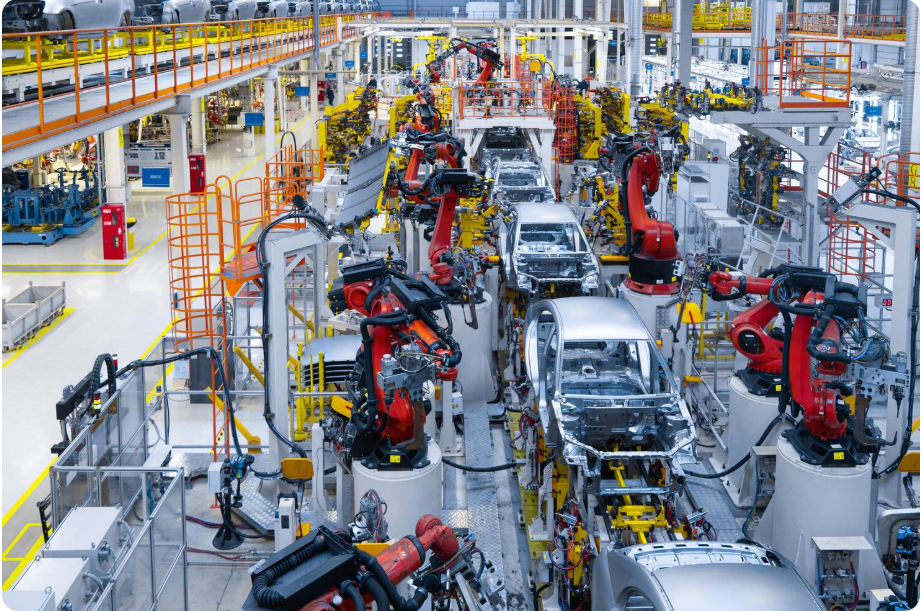
Automotive technology has developed rapidly over the past several decades. Modern vehicles can include sophisticated systems designed to improve safety, comfort, efficiency, and connectivity.
Driver Assistance Systems
Many vehicles now offer technologies that can assist drivers with specific tasks.
Examples include:
- Lane departure warnings
- Blind-spot monitoring
- Adaptive cruise control
- Automatic emergency braking
- Parking assistance
- Rear-view cameras
- Traffic-sign recognition
These systems are designed to assist drivers, but they do not eliminate the need for attentive and responsible driving.
Connected Car Technology
Modern vehicles can connect with smartphones and digital services. Depending on the vehicle, drivers may have access to navigation, music, communication, remote vehicle functions, and vehicle-status information.
Connectivity can make everyday driving more convenient, particularly for people who spend significant time on the road.
The Importance of Automotive Maintenance
Regular maintenance is one of the most important parts of vehicle ownership. Even advanced vehicles require inspections and servicing to remain reliable.
Engine and Fluid Checks
For vehicles with combustion engines, engine oil is essential for lubrication and component protection. Other fluids, including coolant and brake fluid, also require attention.
Electric vehicles have different maintenance requirements, but they still contain systems such as brakes, tires, suspension components, cooling systems, and electrical equipment that require inspection.
Tire Maintenance
Tires influence braking, handling, ride comfort, and efficiency. Drivers should check tire pressure according to the vehicle manufacturer’s recommendations and monitor tread condition.
Uneven tire wear can sometimes indicate alignment or suspension issues.
Brake Maintenance
Brakes are among the most important safety systems in any vehicle. Unusual sounds, vibrations, changes in pedal feel, or other braking problems should be checked by a qualified professional.
Automotive Maintenance Checklist
A simple maintenance checklist can help vehicle owners stay organized.
| Component | What to Monitor | Why It Matters |
|---|---|---|
| Tires | Pressure and tread | Handling and safety |
| Brakes | Noise and stopping performance | Safe braking |
| Engine oil | Level and condition | Engine lubrication |
| Battery | Starting and electrical performance | Reliability |
| Lights | Headlights, brake lights, indicators | Visibility |
| Coolant | Level and leaks | Temperature control |
| Wipers | Blade condition | Clear visibility |
Maintenance schedules vary by vehicle, so the manufacturer’s service recommendations should always take priority.
How Automotive Technology Improves Safety

Safety has become one of the most important areas of automotive development. Manufacturers use a combination of passive and active technologies to help protect occupants.
Passive Safety
Passive safety features help protect occupants when a collision occurs.
These can include:
- Seat belts
- Airbags
- Crumple zones
- Head restraints
- Reinforced passenger compartments
Active Safety
Active safety systems are designed to help drivers avoid or reduce the severity of certain incidents.
Examples include:
- Stability control
- Anti-lock braking
- Traction control
- Collision warnings
- Automatic braking
- Blind-spot monitoring
Drivers should understand how these systems operate and their limitations rather than relying on them as substitutes for attentive driving.
Improving Vehicle Fuel Efficiency
Fuel efficiency can influence the overall cost of owning and operating a vehicle. Several everyday habits can help reduce unnecessary fuel consumption.
Useful practices include:
- Maintain correct tire pressure.
- Avoid unnecessary aggressive acceleration.
- Reduce excessive idling.
- Keep the vehicle properly maintained.
- Remove unnecessary weight from the vehicle.
- Plan journeys efficiently.
- Maintain steady speeds when road conditions allow.
Driving conditions, weather, traffic, vehicle size, and engine design also affect fuel consumption.
Electric and Hybrid Automotive Trends
Electrification has become an important part of the automotive landscape. Electric and hybrid vehicles offer alternatives to conventional internal combustion vehicles.
Benefits of Electric Vehicles
Depending on the vehicle and local electricity sources, electric vehicles can offer:
- Quiet operation
- Electric motor efficiency
- Regenerative braking
- Reduced tailpipe emissions
- Fewer traditional engine components
However, charging availability, driving range, charging time, purchase price, and local infrastructure are important considerations.
Hybrid Vehicle Advantages
Hybrid vehicles can combine the characteristics of conventional and electric propulsion. Some systems can recover energy during braking and use it to support electric operation.
The right choice depends on driving habits, charging access, budget, and personal requirements.
Automotive Design and Comfort
Vehicle design is no longer focused only on appearance. Interior comfort and usability are major parts of modern automotive development.
Features may include:
- Ergonomic seating
- Adjustable steering wheels
- Climate-control systems
- Digital displays
- Advanced infotainment
- Multiple storage compartments
- Wireless smartphone connectivity
- Ambient interior lighting
A comfortable interior can make a significant difference during long journeys.
Performance and Driving Experience

Vehicle performance includes more than horsepower. Acceleration, braking, handling, suspension, steering, transmission behavior, and ride quality all influence how a car feels on the road.
Engine Performance
For combustion vehicles, engine size, power delivery, torque, and transmission design influence performance.
Electric Motor Performance
Electric motors can deliver strong torque characteristics and smooth acceleration. Performance varies significantly between models.
Suspension and Handling
Suspension systems help manage road imperfections while contributing to handling and stability. Different vehicles are tuned for different priorities, from comfort-oriented driving to sportier handling.
Smart Tips for Choosing a Vehicle
Before purchasing a vehicle, consider how it will actually be used.
Ask yourself:
- How many passengers usually travel with me?
- How much cargo space do I need?
- How far do I normally drive?
- Do I have access to charging if considering an EV?
- What maintenance costs can I comfortably manage?
- Which safety features are important to me?
- Do I primarily drive in cities, highways, or mixed conditions?
- What ownership costs should I expect?
Thinking about these questions can help narrow down suitable vehicle categories.
Automotive Technology and the Future
The automotive industry continues to develop rapidly. Future vehicles are likely to include further improvements in electrification, software, connectivity, driver assistance, and energy efficiency.
Software is becoming increasingly important in modern vehicles, with digital systems controlling or supporting many functions. Advanced sensors and computing technologies are also being incorporated into vehicle design.
At the same time, traditional areas such as tires, brakes, suspension, body structure, and mechanical reliability remain essential.
The future of motoring will likely involve a combination of advanced technology and practical engineering rather than one single solution.
Key Auto Motive Points Every Driver Should Know
For anyone interested in the automotive world, these basic principles are worth remembering:
- Choose a vehicle based on your actual driving requirements.
- Follow the manufacturer’s maintenance schedule.
- Check tires regularly.
- Pay attention to warning lights.
- Maintain important fluids where applicable.
- Understand your vehicle’s safety technology.
- Avoid distracted driving.
- Compare total ownership costs, not just purchase price.
- Learn the basics of your vehicle’s controls.
- Keep important maintenance records organized.
Final Thoughts
The auto motive industry is an exciting combination of engineering, technology, design, transportation, and innovation. From traditional cars and SUVs to electric and hybrid vehicles, today’s automotive market offers a wide range of options for different lifestyles and driving needs.
Understanding basic vehicle maintenance, automotive technology, safety features, efficiency, and performance can help drivers become more confident vehicle owners. Whether you are researching your next car or simply looking after the vehicle you already own, knowledge can make everyday motoring easier.
As automotive technology continues to develop, drivers will have access to increasingly connected, efficient, and sophisticated vehicles. However, responsible driving and regular maintenance will remain just as important as advanced technology.
Frequently Asked Questions
1. What does auto motive mean?
Auto motive generally relates to automobiles, vehicles, driving, automotive technology, vehicle maintenance, manufacturing, and the wider automotive industry.
2. What are the main types of modern vehicles?
Common vehicle categories include sedans, hatchbacks, SUVs, trucks, electric vehicles, hybrid vehicles, and other specialized models.
3. Why is automotive maintenance important?
Regular maintenance helps monitor important vehicle components, identify potential issues, support reliability, and maintain safety-related systems.
4. Are electric vehicles part of the automotive industry?
Yes. Electric vehicles are an important part of the modern automotive industry and use battery-powered electric propulsion instead of relying solely on conventional combustion engines.
5. What should I consider before buying a car?
Consider your budget, driving habits, passenger and cargo requirements, fuel or energy costs, maintenance needs, safety features, vehicle size, and expected total ownership costs.
Read more:How Onsite Truck Repair Services Keep Commercial Vehicles Moving Efficiently