
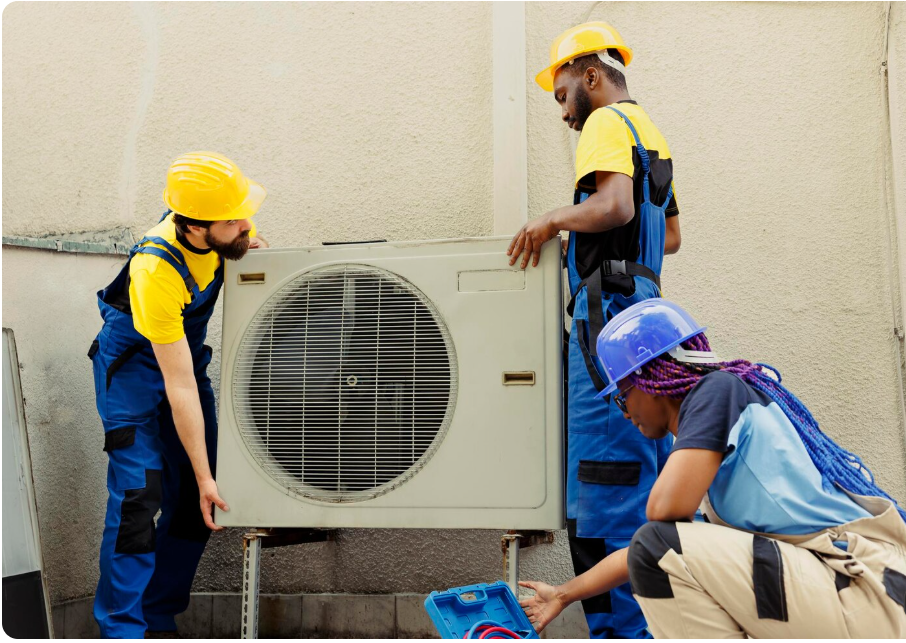
A heat pump is an important part of a comfortable home, providing both heating and cooling throughout the year. When the system stops working correctly, indoor temperatures can become uncomfortable, energy bills may increase, and everyday routines can be disrupted. A professional heat pump repair service helps identify the cause of these problems and restore reliable system performance.
Heat pumps work by transferring heat rather than generating it directly, making them an energy-efficient option for many homes. However, like other heating and cooling systems, they require regular maintenance and occasional repairs. Problems with airflow, electrical components, refrigerant circuits, thermostats, or outdoor units can affect their performance.
Understanding common warning signs and knowing when to contact an HVAC professional can help homeowners make informed decisions about repairs, maintenance, and potential system replacement.
What Is a Heat Pump Repair Service?
A heat pump repair service involves diagnosing and correcting problems that prevent a heating and cooling system from operating properly. Depending on the issue, a qualified HVAC technician may inspect electrical components, refrigerant lines, coils, fans, thermostats, compressors, and other system parts.
Professional heat pump repair services may include:
- Diagnosing heating and cooling performance problems.
- Troubleshooting thermostat and control-system faults.
- Inspecting indoor and outdoor units.
- Repairing electrical connections and replacing faulty components.
- Checking refrigerant levels and investigating suspected leaks.
- Cleaning coils and addressing airflow restrictions.
- Inspecting condensate drains and drainage problems.
- Diagnosing defrost-system and reversing-valve issues.
- Testing system operation after repairs.
- Recommending preventive maintenance to reduce future breakdowns.
The exact service depends on the heat pump type, the symptoms, and the manufacturer’s specifications.
Common Heat Pump Problems That Require Repair
Recognizing early warning signs can help you arrange service before a small problem becomes a more serious equipment failure.
Heat Pump Is Not Heating Properly
If your heat pump runs but does not provide enough warmth, several issues may be responsible.
Possible causes include a dirty air filter, restricted airflow, an incorrect thermostat setting, a faulty sensor, or a problem with the refrigerant circuit.
During cold weather, some heat pumps may also use auxiliary heating to help maintain indoor comfort. The way this operates depends on the model and outdoor conditions.
A technician can assess the system, test its controls, and determine whether cleaning, adjustment, or component repair is required.
Heat Pump Is Not Cooling
A heat pump that fails to cool the home may have an airflow restriction, dirty coil, electrical fault, thermostat problem, or refrigerant-system issue.
Before requesting service, check that the thermostat is set to cooling mode and that the temperature setting is appropriate. If the system still fails to cool, arrange a professional inspection.
Avoid opening electrical panels or attempting to handle refrigerant yourself.
Outdoor Unit Is Covered in Ice
A light layer of frost can develop on an outdoor coil in cold weather. Many heat pumps automatically enter a defrost cycle to melt this frost, and temporary steam may appear during normal operation.
However, a persistent, thick buildup of ice that does not clear may indicate a defrost-control problem, restricted airflow, a sensor fault, or another issue.
Keep the outdoor unit’s airflow clear and contact an HVAC technician if heavy icing continues. Do not chip ice away with tools or use methods that could damage the coil.
Heat Pump Makes Unusual Noises
Heat pumps normally produce some operating sounds, including fan noise and occasional changes in sound during startup or defrosting.
Loud grinding, persistent rattling, buzzing, or unusual banging may indicate a loose component, motor problem, electrical fault, or compressor issue.
Turn off the system if the noise is severe or accompanied by burning odors or visible damage. Arrange professional service rather than attempting internal repairs.. Heat Pump Turns On and Off Frequently
Frequent cycling can reduce comfort and may place additional strain on system components.
Potential causes include thermostat placement, restricted airflow, control faults, incorrect system sizing, or equipment problems.
A technician can evaluate operating cycles and determine whether the issue is related to maintenance, controls, or a more substantial repair.
Energy Bills Increase Unexpectedly
An unexplained increase in heating or cooling costs may indicate that the heat pump is operating inefficiently.
Dirty filters, obstructed coils, duct leakage, incorrect settings, and failing components can all contribute to poor performance.
Because energy use also depends on weather, electricity rates, and household habits, a higher bill does not automatically mean the heat pump is broken. A professional inspection can help identify whether equipment performance is contributing to the increase.
Types of Heat Pump Repair Services
Different heat pump designs require different diagnostic and repair procedures. Understanding the main service categories helps homeowners explain their concerns when contacting an HVAC company.
| Repair service | Common warning signs | Typical professional work |
|---|---|---|
| Thermostat and controls | Incorrect temperatures or unresponsive settings | Control testing and troubleshooting |
| Electrical repairs | Startup failure, repeated shutdowns, or electrical faults | Inspecting wiring, connections, and approved components |
| Refrigerant-system service | Poor heating or cooling performance | Checking operating conditions and investigating leaks |
| Fan and airflow repair | Weak airflow or unusual fan noises | Inspecting filters, motors, fans, and airflow restrictions |
| Defrost-system repair | Persistent outdoor-coil icing | Testing sensors, controls, and defrost operation |
| Compressor or reversing-valve repair | Major heating or cooling problems | Advanced diagnosis and component repair |
| Drainage service | Water leakage or blocked condensate drainage | Inspecting and clearing appropriate drain components |
Refrigerant handling, internal electrical work, and major component repairs should be performed by appropriately qualified HVAC professionals.
How Much Does Heat Pump Repair Service Cost?
The cost of heat pump repair varies according to the type of fault, equipment model, replacement parts, labor rates, and the complexity of the diagnosis. A simple control issue may require less work than a compressor failure or refrigerant leak.
For this reason, homeowners should request a written estimate based on the specific system and its condition rather than relying on a general price alone.
Factors That Affect Repair Costs
Type of problem: The labor and parts required for a thermostat issue may differ substantially from those needed for a major mechanical repair.
Replacement components: Fans, capacitors, sensors, control boards, compressors, and other parts vary in price and availability.
System accessibility: Difficult-to-reach equipment or complex installations may require additional labor.
Refrigerant requirements: Diagnosing a suspected refrigerant leak can involve specialized testing and repair. Simply adding refrigerant without identifying the cause may not solve the underlying problem.
Equipment age: Older systems may require harder-to-find components or additional repairs.
Emergency appointments: After-hours service may involve additional charges, depending on the provider.
Repair Versus Replacement
Sometimes repairing the existing heat pump is the most practical choice. In other cases, replacing the system may provide better long-term value.
| Consideration | Repair may make sense when | Replacement may be worth considering when |
|---|---|---|
| Equipment condition | The system is generally reliable | Several major components are deteriorating |
| Repair expense | The fault is limited and reasonably priced | Repair costs are high relative to replacement |
| Parts availability | Compatible parts are readily available | Essential parts are unavailable |
| Efficiency | The system still meets household needs | Performance remains poor despite repairs |
| Breakdown frequency | Failures are occasional | Repeated service calls are becoming common |
The age of the equipment, warranty coverage, local climate, expected operating costs, and replacement requirements should all factor into the decision. Ask the technician to explain the advantages and disadvantages of both options.
How to Choose the Best Heat Pump Repair Company
Selecting a reliable HVAC company helps ensure that repairs are completed correctly and that the system is tested before it returns to regular use.
Check Experience and Qualifications
Choose a provider experienced with your heat pump type, brand, and model. Verify applicable licensing, insurance, and technical qualifications in your area.
If your system uses specialized controls or a ductless configuration, ask whether the technician has relevant experience.
Request a Clear Diagnosis
A dependable technician should explain the suspected cause of the problem, the recommended repair, and any additional testing that may be necessary.
Be cautious of recommendations for major component replacement without an adequate explanation of the findings.
Compare Written Estimates
Request estimates that identify labor, parts, diagnostic fees, and any additional charges. Comparing the full scope of work is more useful than choosing the lowest initial quote.
Ask About Warranties
Find out whether replacement parts and labor are covered by a warranty. Also check whether the proposed work affects any existing manufacturer warranty.
Keep invoices and service records for future reference.
Confirm Post-Repair Testing
After the repair, the technician should verify that the system starts, runs, and responds to the thermostat correctly. Appropriate testing depends on the repair performed and the equipment manufacturer’s instructions.
Preventive Maintenance Tips for Heat Pumps
Regular maintenance can help reduce avoidable breakdowns and support efficient operation. ENERGY STAR recommends routine professional checkups and regular inspection of air filters, coils, electrical connections, and system controls.
Check Air Filters Regularly
Dirty filters restrict airflow and can make the system work harder. Check the filter about once a month, especially during periods of heavy use, and clean or replace it according to the manufacturer’s instructions.
Keep Outdoor Equipment Clear
Leaves, dust, vegetation, and other obstructions can interfere with airflow around the outdoor unit.
Keep the surrounding area clear while maintaining the clearances specified by the manufacturer. Do not bend coil fins or use aggressive cleaning methods that could damage components.
Schedule Professional Maintenance
Arrange regular service according to the manufacturer’s guidance. Many homeowners schedule inspections before the main heating and cooling seasons.
A professional can inspect electrical components, operating controls, coils, airflow, and drainage while checking for signs of wear.
Monitor System Performance
Pay attention to changes in indoor comfort, operating sounds, airflow, and energy consumption.
If the heat pump repeatedly struggles to maintain the selected temperature, schedule an inspection rather than allowing the problem to continue.
Use Appropriate Thermostat Settings
Avoid frequent, unnecessary adjustments that make the system work harder than needed. Use settings appropriate to your comfort preferences and equipment instructions.
If your heat pump has a programmable thermostat or dedicated operating modes, consult the manual to understand how to use them effectively.
What to Expect During a Professional Heat Pump Repair Visit
Knowing what happens during a service appointment can make the process easier to manage.
Step 1: Describe the problem. Explain whether the system is failing to heat, failing to cool, making unusual noises, or shutting down unexpectedly.
Step 2: System inspection. The technician examines relevant components, reviews controls, and checks the reported symptoms.
Step 3: Diagnosis. Appropriate tests help identify the underlying fault rather than relying only on visible symptoms.
Step 4: Estimate and approval. The technician explains the recommended work, parts, expected charges, and any limitations.
Step 5: Repair. Approved repairs are completed using compatible parts and appropriate procedures.
Step 6: Operational testing. The system is tested to verify the repair and check for related concerns.
Step 7: Maintenance recommendations. The technician explains any remaining issues and suggests suitable preventive maintenance.
For complicated failures, additional parts or follow-up visits may be necessary.
When Should You Call for Emergency Heat Pump Repair?
Not every heat pump issue requires an emergency appointment, but some conditions need immediate attention.
Contact a qualified HVAC professional promptly if the system has persistent heavy icing, repeated electrical trips, major water leakage, or a complete loss of heating or cooling during extreme weather.
If you notice smoke, a burning smell, sparks, or signs of overheating, switch off the equipment only if it is safe to do so and keep away from the affected area. Contact emergency services if there is a fire or immediate danger.
Do not open electrical panels, bypass safety switches, or attempt to repair refrigerant lines yourself.
Conclusion

A dependable heat pump repair service can help restore indoor comfort, address equipment problems, and reduce the risk of further damage. Whether the issue involves poor heating, inadequate cooling, unusual noises, outdoor-unit icing, or an electrical fault, identifying the underlying cause is essential for an effective repair.
Homeowners can support system performance by checking air filters, keeping outdoor units clear, monitoring changes in operation, and scheduling professional maintenance.
When choosing an HVAC provider, compare qualifications, diagnostic explanations, written estimates, and warranty terms. With appropriate care and timely repairs, a heat pump can continue providing useful heating and cooling for years to come.
Frequently Asked Questions About Heat Pump Repair Service
What are the most common heat pump repairs?
Common repairs include thermostat and control troubleshooting, electrical component replacement, fan or motor repairs, defrost-system repairs, and diagnosing refrigerant leaks. The exact repair depends on the equipment and symptoms.
Why is my heat pump running but not heating?
Possible causes include a dirty air filter, restricted airflow, incorrect thermostat settings, a control fault, or a refrigerant-system problem. Some temporary changes in operation are normal during defrosting. If the system does not return to normal operation, contact an HVAC professional.
How often should a heat pump be serviced?
Follow the manufacturer’s maintenance recommendations. Many homeowners arrange professional checkups before the main heating and cooling seasons and inspect filters regularly between appointments.
Is it worth repairing an older heat pump?
It depends on the equipment’s condition, repair cost, parts availability, efficiency, and frequency of breakdowns. Compare the expected cost of repair with the long-term costs and benefits of replacement before deciding.
Can I troubleshoot my heat pump myself?
You can generally check thermostat settings, inspect the filter, and make sure the outdoor unit is free from obvious obstructions, provided you follow the manufacturer’s instructions. Electrical repairs, refrigerant work, and internal mechanical repairs should be handled by qualified professionals.